
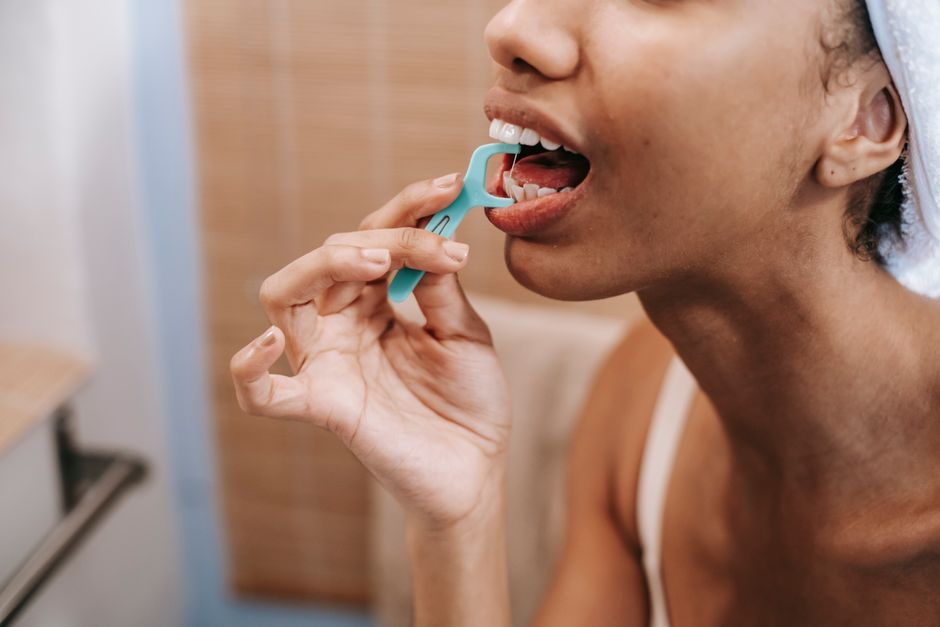
Your teeth are built to last a lifetime, but they do not repair themselves the way skin or bone does. Strengthening them comes down to two things: protecting the enamel you still have and giving your saliva the minerals it needs to patch early damage. Foods rich in calcium, phosphorus, and vitamin D support that process, while fluoride — from toothpaste, water, and some foods — makes enamel more resistant to acid. Regular dental care ties it together.
This is not about a single miracle food. It is about daily habits that shift the balance in your favor.
How Do Teeth Actually Get Stronger?
Teeth cannot grow new enamel. Once enamel is gone, it is gone. What they can do is remineralize — a natural repair process where minerals from your saliva get redeposited into the enamel surface.
Every time you eat, bacteria in your mouth feed on sugars and produce acid. That acid pulls minerals out of enamel in a process called demineralization. Between meals, saliva washes the acid away and delivers calcium and phosphate back into the enamel. This back-and-forth happens all day.
When demineralization outpaces remineralization, you get cavities. Strengthening teeth means tipping that balance toward repair. Fluoride, certain minerals, and smart eating patterns all help.
One non-obvious point: the goal is not to avoid all acid. It is to give your mouth enough recovery time between acid attacks. Constant snacking, even on healthy foods, keeps enamel under siege.
Which Foods Help Strengthen Teeth?
Foods that support enamel contain the same minerals your teeth are made of, or they stimulate saliva. Saliva is your mouth’s most underrated defense system.
- Dairy products — milk, cheese, and plain yogurt are high in calcium and phosphorus. Cheese also raises saliva flow and helps neutralize acid.
- Leafy greens — kale, spinach, and collards provide calcium along with vitamin K.
- Fatty fish — salmon, mackerel, and sardines with bones are sources of vitamin D and calcium.
- Nuts and seeds — almonds and sesame seeds contain calcium and phosphorus. Chewing them stimulates saliva.
- Crunchy vegetables — carrots, celery, and cucumbers increase saliva and gently scrub tooth surfaces.
- Green and black tea — contains fluoride and compounds that may slow bacterial growth.
None of these foods rebuild lost enamel. They support the remineralization process and reduce the conditions that cause decay.
How Much Fluoride Do You Need for Stronger Teeth?
Fluoride is the single most effective mineral for making enamel more resistant to acid. It works by binding to the tooth surface and forming a harder mineral structure that dissolves less easily.
You do not need to swallow fluoride for it to work on your teeth. Topical contact is what matters most. That is why toothpaste and mouth rinses are so effective.
The main sources are:
- Fluoridated toothpaste — the most reliable daily source. Most contain 1,000 to 1,500 parts per million fluoride. The American Dental Association recommends brushing twice daily with a fluoride toothpaste.
- Community water fluoridation — the CDC lists this as one of the most cost-effective ways to reduce cavities across a population. Most US public water systems adjust fluoride to about 0.7 milligrams per liter.
- Fluoride mouthwash — some clinicians recommend this for people at higher risk of decay. It is not necessary for everyone.
- Foods and drinks — tea, some seafood, and foods cooked with fluoridated water contain small amounts.
If your water comes from a private well, it may not contain fluoride. Well water is not regulated for fluoride content, and testing is the only way to know.



Does Fluoride Toothpaste Matter More Than Food?
Yes, for most people. Toothpaste delivers a concentrated dose of fluoride directly to the enamel surface every day. Food provides smaller amounts and mostly supports the mineral building blocks.
The two work together, not against each other. Calcium and phosphorus from food give saliva the raw material for remineralization. Fluoride makes that repaired enamel stronger than the original.
What matters most is consistency. Brushing twice a day with fluoride toothpaste does more for enamel strength than any single food. Skipping brushing and eating well will not protect your teeth.
Some people avoid fluoride toothpaste because of concerns they have read online. The weight of dental and public health evidence supports its safety and effectiveness at recommended levels. If you have specific concerns, a dentist can help you weigh the tradeoffs for your situation.
What Habits Weaken Teeth the Most?
Sugar frequency matters more than sugar quantity. Sipping a sugary drink over two hours keeps acid levels high the entire time. Eating the same sugar in five minutes gives saliva a chance to recover.
Other habits that work against you:
- Snacking constantly throughout the day, even on healthy foods
- Drinking soda, sports drinks, and juice between meals
- Brushing immediately after acidic foods — this can wear away softened enamel. Wait about 30 minutes.
- Grinding your teeth, which physically wears enamel down
- Dry mouth from medications or health conditions, which reduces saliva’s protective effect
- Using tobacco, which restricts blood flow to gums and increases decay risk
Acid erosion is different from decay. Erosion is a chemical wearing-away of enamel from acids in food and drink. Decay is bacterial. Both weaken teeth, and both respond to the same basic strategies: less acid exposure and more recovery time.
Do Supplements Help Strengthen Teeth?
If you get enough calcium and vitamin D from food and sunlight, supplements are unlikely to add much for your teeth. The evidence does not support routine supplementation for dental strength in healthy adults.
That changes if you have a diagnosed deficiency. Low vitamin D affects calcium absorption, and severe deficiency can affect bone and tooth-supporting structures. A doctor can test for this.
Be cautious with calcium supplements. Some research links high-dose calcium supplementation to cardiovascular concerns, though findings are mixed. Food sources are generally preferred unless a clinician recommends otherwise.
No supplement has been shown to rebuild lost enamel. Any product claiming to do so is not supported by clinical evidence.
How Does Saliva Protect Your Teeth?
Saliva is about 99% water, but the remaining 1% does serious work. It contains calcium, phosphate, and proteins that neutralize acid and repair early enamel damage.
Dry mouth is a real risk factor for cavities. It is common with aging, certain medications, and some health conditions. If your mouth feels dry most of the time, that is worth mentioning to a dentist or doctor.
Ways to support saliva flow:
- Drink water regularly throughout the day
- Chew sugar-free gum, which stimulates saliva
- Limit caffeine and alcohol, which can dry the mouth
- Ask a dentist about products designed for dry mouth
Sugar-free gum sweetened with xylitol has some evidence for reducing cavity risk. The effect is modest but real when used consistently.
When Should You See a Dentist?
Twice-yearly dental visits are the common recommendation, though the evidence for that exact frequency is not strong for everyone. Some people with low cavity risk may need fewer visits. Others with gum disease or high decay risk may need more.
See a dentist sooner if you notice:
- Persistent tooth sensitivity to hot or cold
- Visible dark spots or holes in teeth
- Bleeding gums when brushing
- Pain when biting down
- Bad breath that does not go away
Dentists can apply professional fluoride treatments, which deliver a much higher concentration than toothpaste. These are often recommended for people at higher risk of decay. Sealants on back teeth can also protect deep grooves where brushing cannot reach.
What Actually Works for Stronger Teeth?
Brush twice daily with fluoride toothpaste. Limit sugary and acidic drinks, especially between meals. Eat foods that supply calcium and phosphorus. Drink water. See a dentist regularly.
No single food or supplement will transform your teeth. The gains come from small habits repeated daily. Enamel does not come back once it is lost, so protecting what you have is the whole game.
Frequently Asked Questions
Can you actually rebuild tooth enamel?
No, lost enamel cannot be regrown. Early-stage mineral loss can be partially repaired through remineralization, but once enamel is physically gone, it does not come back.
Is fluoride toothpaste safe to use every day?
Yes, fluoride toothpaste at recommended levels is considered safe and effective for daily use by major dental and public health organizations. Children should use a smaller amount and be supervised to avoid swallowing too much.
Which food is best for strengthening teeth?
Cheese is one of the better options because it provides calcium and phosphorus while also raising saliva flow. No single food does the job alone — overall diet and fluoride matter more.
Does drinking fluoridated water really help teeth?
Yes, community water fluoridation has been shown to reduce cavities across populations. If you drink mainly bottled water, you may be missing that source.
