
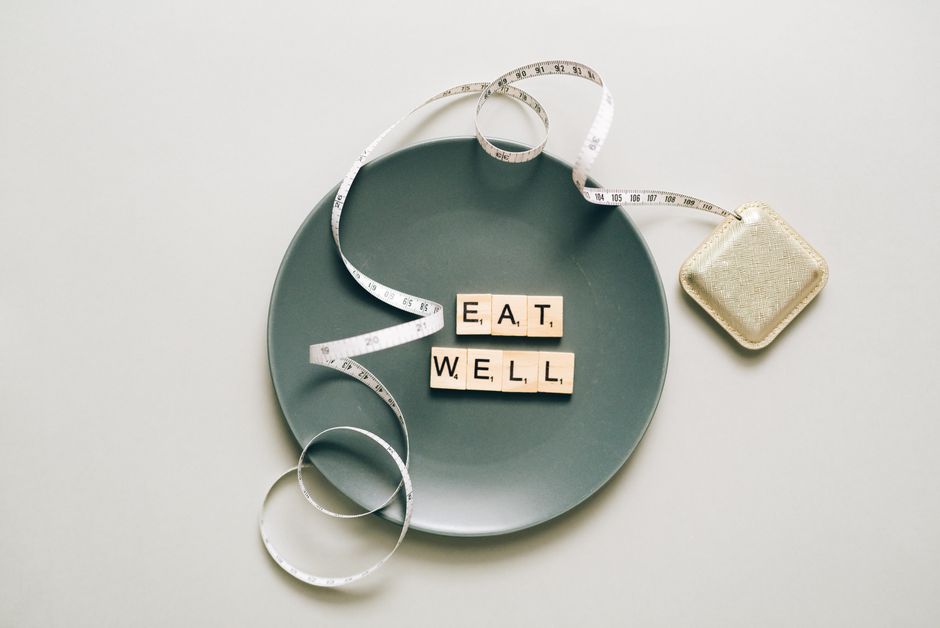
No single food will make your body burn fat like flipping a switch. That is not how metabolism works. But some foods genuinely support fat loss by helping you feel full, stabilizing blood sugar, or slightly increasing the calories you burn during digestion. The best approach is to focus on whole, unprocessed foods that work with your body’s natural systems rather than against them. This article looks at what the evidence actually says about foods that may help with weight loss.
What Are The Best Fat Burning Foods For Weight Loss?
There is no one “best” food. But certain foods have qualities that make weight loss easier. High-protein foods like eggs, chicken breast, and fish increase the thermic effect of food. That means your body burns more calories digesting protein than it does digesting carbs or fat. Studies have found that protein can boost calorie burn by 20 to 30 percent during digestion compared to 5 to 10 percent for carbs.
Fiber-rich vegetables like broccoli, spinach, and kale also help. They take up space in your stomach without adding many calories. This naturally reduces how much you eat at a meal. Foods with a high water content like soups and salads do the same thing. Research shows that people who eat a salad before a meal consume fewer total calories during that meal.
Spicy foods containing capsaicin, like chili peppers, may slightly increase calorie burn. The effect is small. Some studies suggest an extra 50 to 100 calories per day. That is not nothing but it will not cause significant weight loss on its own.
Does Eating Certain Foods Directly Burn Fat?
No food directly burns fat. That phrase is marketing, not physiology. Fat burning happens when your body is in a calorie deficit and needs to use stored fat for energy. No food creates that deficit by itself.
What foods can do is support the conditions that make fat burning easier. Protein preserves muscle mass during weight loss. More muscle means a slightly higher resting metabolism. Fiber helps control appetite hormones like ghrelin, which signals hunger. When ghrelin stays lower, you eat less naturally.
Some foods also improve insulin sensitivity. Whole grains, legumes, and vegetables help your body handle carbohydrates better. When insulin sensitivity is good, your body is more likely to use fat for energy instead of storing it. This is a real effect, but it works slowly over time, not after one meal.
| Food Category | How It Helps | Evidence Strength |
|---|---|---|
| Protein-rich foods (eggs, fish, lean meat) | Increases calorie burn during digestion, preserves muscle | Strong |
| High-fiber vegetables (broccoli, spinach) | Increases fullness, reduces total calorie intake | Strong |
| Spicy foods (chili peppers) | Small temporary increase in calorie burn | Moderate |
| Green tea | May slightly boost metabolism through catechins | Moderate to weak |
| Whole grains (oats, quinoa) | Improves insulin sensitivity, provides steady energy | Strong |
What Does Research Show About Protein and Fat Loss?
Research consistently shows that higher protein diets lead to better weight loss outcomes. A 2020 review in the American Journal of Clinical Nutrition found that people eating 25 to 30 percent of calories from protein lost more weight and kept more muscle compared to lower protein groups. The effect was modest but real across multiple studies.
Protein also affects appetite hormones directly. It lowers ghrelin and increases peptide YY, a hormone that signals fullness. This is not a theory. It happens in controlled feeding studies where people do not know they are eating more protein. They simply eat less at the next meal without trying.
Good protein sources for weight loss include eggs, Greek yogurt, cottage cheese, chicken breast, fish, tofu, and lentils. Animal proteins tend to be more complete in amino acids, but plant proteins work well too when you eat a variety. Current research suggests that spreading protein across meals rather than eating it all at dinner may be more effective for appetite control.


How Do Fiber and Water-Rich Foods Help?
Fiber is not digestible. It passes through your stomach and small intestine mostly intact. This slows down how fast food empties from your stomach, which keeps you feeling full longer. Soluble fiber, found in oats, beans, apples, and carrots, is especially good at this.
A 2015 study in the Annals of Internal Medicine found that a simple goal of eating 30 grams of fiber per day led to significant weight loss. The participants did not have to follow any other diet rules. They just focused on fiber. This suggests that fiber alone can be a powerful tool for weight management.
Water-rich foods like cucumbers, tomatoes, watermelon, and broth-based soups add volume to meals without adding many calories. This is called energy density. Foods with low energy density let you eat a normal portion size while consuming fewer calories. Studies show that people who eat low-energy-density foods lose more weight and keep it off longer.
One practical tip: start meals with a vegetable soup or a large salad. Research shows this can reduce total meal calories by 20 percent on average. That adds up over weeks and months.
What About Green Tea, Coffee, and Spicy Foods?
Green tea contains catechins and caffeine, both of which may slightly increase metabolism. A meta-analysis of 15 studies found that green tea drinkers burned about 100 extra calories per day on average. The effect was small and not consistent across all studies. Some people respond more than others, possibly due to genetic differences in how they metabolize catechins.
Coffee has a clearer effect on short-term energy and focus. Caffeine can increase fat oxidation during exercise, meaning your body uses more fat for fuel while working out. The effect lasts a few hours. Drinking black coffee before a workout may help, but adding sugar and cream cancels out the benefit.
Capsaicin from chili peppers also shows a small metabolic boost. A review of 20 studies found that capsaicin increased energy expenditure by about 50 calories per day. That is roughly the same as walking for 10 extra minutes. Not dramatic, but it adds up if you eat spicy food regularly.
None of these foods are magic. They are tools that work at the edges of a solid diet. If your overall eating pattern is poor, green tea and chili peppers will not fix it. If your diet is already good, these foods may help a little more.
Common Misconceptions About Fat Burning Foods
The biggest myth is that certain foods have “negative calories.” Celery, grapefruit, and cucumber are often claimed to burn more calories during digestion than they provide. This is not true. The thermic effect of these foods is small, and they still provide net calories. Eating them is healthy, but they will not create a calorie deficit by themselves.
Another myth is that eating fat makes you fat. Dietary fat is calorie-dense, but it does not automatically turn into body fat. In fact, healthy fats from avocados, nuts, and olive oil help with satiety and nutrient absorption. The problem is eating too many calories overall, not fat specifically. As of 2026, current research supports including moderate amounts of healthy fats in a weight loss diet.
Detox teas and cleanses are also widely promoted as fat burners. There is no clinical evidence that these products cause lasting fat loss. Most cause water loss and temporary weight drops that return quickly. Some contain laxatives or diuretics that can be harmful with regular use.
Grapefruit is sometimes called a fat-burning food because of a 2004 study that found modest weight loss in people who ate half a grapefruit before meals. The effect was small and may have been due to eating fewer calories overall, not any special property of grapefruit itself. Replication studies have not been strong.
What Should You Actually Eat for Weight Loss?
Focus on whole foods that are high in protein and fiber. Build meals around vegetables, lean protein, and whole grains. Eat until you are satisfied, not stuffed. Drink water instead of sugary drinks. These simple guidelines are backed by decades of research and work for most people.
Do not look for a single food to solve the problem. No food burns fat on its own. Weight loss happens when you consistently eat fewer calories than you burn. The foods discussed here help by making that deficit easier to achieve and maintain. They support your body’s natural metabolism rather than forcing it.
If you want to try something specific, start with protein. Eat 25 to 30 grams of protein at each meal. Pair it with a large serving of vegetables. Drink green tea or black coffee if you enjoy them, but do not force yourself. And be patient. Real fat loss takes weeks and months, not days.
For more practical guidance on building a sustainable eating pattern, visit our article on Healthy Eating for Weight Loss.
Frequently Asked Questions
What is the single best food for burning belly fat?
No single food targets belly fat specifically. A diet rich in protein, fiber, and whole grains combined with a calorie deficit is the most effective approach for reducing abdominal fat.
How much protein should I eat daily for weight loss?
Most research suggests 1.2 to 1.6 grams of protein per kilogram of body weight per day. For a 150-pound person, that is roughly 80 to 110 grams of protein daily.
Can green tea alone help me lose weight?
Green tea may increase calorie burn by about 100 calories per day, but it will not cause significant weight loss on its own. It works best as part of an overall healthy diet.
Are fat burning supplements effective?
Most fat burning supplements have little to no evidence of effectiveness. Some contain stimulants that cause temporary metabolic increases, but the effects are small and often come with side effects.
