
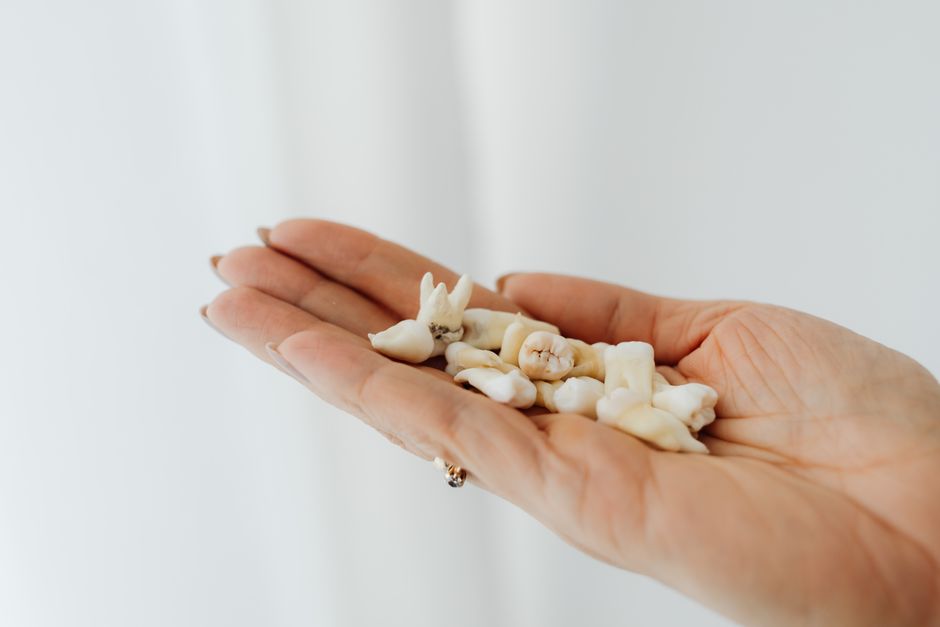
No, wisdom teeth will not grow back once they are fully removed. When a dentist or oral surgeon takes out a wisdom tooth, they remove the entire tooth structure, including the roots. Human teeth do not regenerate. Once a permanent tooth is gone, a new one does not take its place. This is a common question, and the short answer is straightforward. But there are some important details that explain why this myth persists and what might actually be happening in your mouth.
What Exactly Happens When Wisdom Teeth Are Removed?
A wisdom tooth extraction removes the crown of the tooth and the roots that anchor it in the jawbone. The dentist or surgeon uses tools to loosen the tooth from the surrounding bone and tissue. In some cases, they may need to cut the tooth into smaller pieces to remove it safely.
Once the tooth is gone, the socket where it sat fills with a blood clot. Over the next few weeks and months, bone and gum tissue grow into that space. This is a normal healing process. Nothing in that process involves growing a new tooth.
The confusion often comes from a different body part. Some people think of how shark teeth work. Sharks can lose a tooth and grow a new one in its place. Humans cannot. We have two sets of teeth in our lifetime. Baby teeth fall out and permanent teeth come in. After that, no new teeth grow.
Why Do Some People Think Their Wisdom Teeth Grew Back?
Some people report feeling a bump or a hard spot in the same area years after extraction. They assume a new tooth grew. This is not what happened. There are a few real explanations for this feeling.
One possibility is that a piece of tooth or root was left behind during the original extraction. This is not common, but it does happen. Wisdom teeth have curved roots that can break off. If a small fragment stays in the jaw, the gum tissue heals over it. Later, that fragment can work its way toward the surface. It feels like a new tooth coming in, but it is just a leftover piece from the original tooth.
Another explanation is bone spicules. These are small, sharp pieces of bone that can push through the gums during healing. Your body is remodeling the jawbone where the tooth used to be. Sometimes a tiny piece of bone separates and moves toward the surface. It can feel hard and tooth-like. But it is bone, not a new tooth.
Current research suggests that true tooth regeneration in humans does not happen. As of 2026, there is no clinical evidence that wisdom teeth or any permanent teeth can regrow after full extraction.
What About the Idea That Wisdom Teeth Can Grow Back After Partial Removal?
There is a difference between full extraction and partial removal. If a dentist only removes the crown of the wisdom tooth and leaves the roots in place, the body may try to push that root out over time. This is not the tooth growing back. It is the existing root structure shifting.
Partial removal is rare for wisdom teeth. Most dentists recommend complete extraction because leaving roots behind can lead to infection or other problems. But in some cases where the roots are very close to a nerve, a surgeon might choose to leave the roots in place to avoid nerve damage.
In those cases, a person might feel something hard in that spot years later. It is the old root moving, not a new tooth forming. This is one of the reasons the myth persists. People hear stories about a tooth growing back and assume it is true, not knowing the full story about partial removal.





What Does Research on Tooth Regeneration Actually Show?
Scientists are studying tooth regeneration in labs. This is real research, but it is very early. Some studies have looked at stem cells and their ability to form dental tissue. Researchers have grown tooth-like structures in mice and in petri dishes. This is promising, but it is not the same as regrowing a full human tooth in a person’s mouth.
There are no approved treatments for regrowing teeth in humans as of 2026. Any clinic or product claiming to regrow wisdom teeth is not based on current science. The research is exciting for the future, but it has not reached clinical use.
Some people also confuse this research with dental procedures like bonding or implants. Bonding adds material to a damaged tooth. Implants are artificial roots that hold a fake tooth. Neither of these is regrowing a natural tooth. They are repairs or replacements, not regeneration.
Here is a simple comparison to show the difference between what is real and what is not:
| Claim | What Actually Happens |
|---|---|
| Wisdom tooth grows back after full removal | No. The tooth is gone and does not regenerate. |
| Hard bump appears in same spot years later | Likely a bone spicule or leftover root fragment working to the surface. |
| Partial removal leads to feeling a tooth again | Existing root shifting, not a new tooth growing. |
| Stem cell research can regrow teeth now | Still in early lab stages. Not available for patients. |
| Dental implants are regrown teeth | No. They are artificial replacements placed by surgery. |
What Should You Do If You Feel Something Hard After Wisdom Tooth Removal?
If you feel a hard spot where your wisdom tooth was removed, do not panic. It is almost never a new tooth. But it is worth checking with your dentist to be sure. They can take an X-ray and see what is going on under the gum.
Most of the time, the hard spot is a bone spicule. These often work their way out on their own. Your dentist may recommend rinsing with warm salt water to help the process. In some cases, they may need to remove the spicule in the office. It is a quick and simple procedure.
If the hard spot is a leftover root fragment, your dentist will decide whether to remove it. Small fragments that are not causing problems can sometimes be left alone. Larger fragments or ones that cause pain or infection usually need to be removed.
Signs that you should see your dentist include:
- Pain or tenderness in the extraction area months or years after surgery
- A hard, sharp feeling under the gum
- Swelling or redness in the area
- Difficulty chewing or biting near that spot
- Any drainage or bad taste that could indicate infection
Do not assume a hard spot is harmless just because you are not in pain. Some fragments can cause problems slowly over time. A quick dental visit gives you a clear answer and peace of mind.
Common Misconceptions About Wisdom Teeth and Regrowth
One widespread myth is that wisdom teeth can grow back if you have them removed young. Age has nothing to do with it. Once a tooth is gone, it is gone regardless of how old you are. The body does not have a mechanism to grow a third set of teeth.
Another myth is that some people are just lucky and grow extra wisdom teeth. This is a confusion of terms. Some people do have extra teeth, a condition called hyperdontia. These extra teeth can appear anywhere in the mouth, including where wisdom teeth normally sit. But these are not regrown wisdom teeth. They are extra teeth that were always there and simply did not erupt until later. They are not new growth after removal.
Some online sources claim that certain vitamins or diets can help teeth regrow. There is no evidence for this. Nutrients like calcium and vitamin D are important for strong bones and teeth, but they do not cause a new tooth to form. If a tooth is fully removed, no amount of supplements will bring it back.
Be skeptical of any product or treatment that promises to regrow teeth. As of 2026, no such thing exists in mainstream medicine. If it sounds too good to be true, it likely is.
Frequently Asked Questions
Can a wisdom tooth grow back after being pulled?
No, a wisdom tooth cannot grow back after being fully removed. The entire tooth, including the roots, is taken out and permanent teeth do not regenerate.
Why does it feel like my wisdom tooth is growing back?
You may be feeling a bone spicule or a leftover root fragment working its way to the surface. This can feel hard and tooth-like, but it is not a new tooth.
Is there any way to regrow wisdom teeth naturally?
No, there is no natural way to regrow wisdom teeth. Diet, supplements, and home remedies cannot cause a new tooth to form after extraction.
Can leftover roots cause problems after wisdom tooth removal?
Yes, leftover roots can sometimes cause pain, infection, or discomfort. Your dentist can check with an X-ray and decide if removal is needed.
