
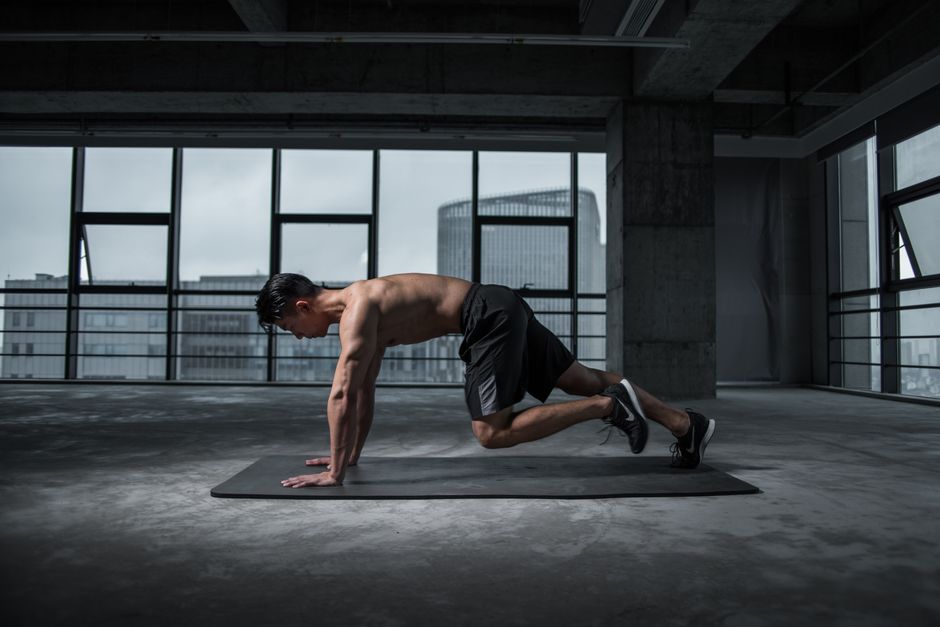
Strengthening your core muscles means training the deep abdominal, back, and pelvic floor muscles that stabilize your spine and pelvis. It is not about doing hundreds of crunches. The most effective approach involves a mix of anti-extension, anti-rotation, and anti-lateral flexion movements performed with proper breathing and control. You can expect noticeable improvements in posture, balance, and lower back comfort within four to six weeks of consistent practice.
What Exactly Are Your Core Muscles?
Most people think the core is just the six-pack abs. It is not. Your core is a cylinder of muscle that wraps around your entire midsection. It includes the rectus abdominis (the front sheath), the obliques (on the sides), the transverse abdominis (the deepest layer that acts like a corset), and the multifidus muscles along your spine.
The pelvic floor and diaphragm are also part of this system. They work together to create internal pressure that stabilizes your torso. Research shows that when these muscles contract together properly, the load on your spine can decrease by as much as 30 to 40 percent during lifting tasks. That is why core strength matters for everything from carrying groceries to playing with your kids.
As of 2026, current research suggests that the transverse abdominis is the most important muscle for spinal stability. It is also the one most people never train directly. You cannot see it. You feel it when you brace correctly.
How To Strengthen Core Muscles: The Foundational Movements
Start with exercises that teach your body to resist movement rather than create it. These are called anti-movement exercises. They build real stability that transfers to daily life.
The dead bug is the single best beginner exercise for core strength. Lie on your back with your arms extended toward the ceiling and your knees bent at 90 degrees. Slowly lower your right arm overhead and your left leg toward the floor at the same time. Keep your lower back pressed into the ground. Return to start and switch sides. Do not let your rib cage flare. Studies have found that the dead bug activates the transverse abdominis more effectively than crunches while putting almost zero stress on the lower back.
The plank is another essential. But most people do it wrong. Your body should form a straight line from your ears to your ankles. Squeeze your glutes and brace your core as if someone is about to punch your stomach. Hold for 20 to 40 seconds. Three sets is enough. Longer planks do not add more benefit. Once you can hold a perfect plank for 60 seconds, progress to side planks and plank variations.
The bird dog is the third foundational movement. Start on your hands and knees. Extend your right arm forward and your left leg back simultaneously. Keep your hips square to the floor. Hold for two seconds, then switch. This exercise trains anti-rotation and coordination. Do three sets of eight to ten reps per side.
What Does the Research on Core Training Actually Show?
There is a lot of bad advice about core training online. The research tells a clearer story. A 2021 systematic review in the Journal of Sports Medicine compared traditional core exercises like crunches with stability-based exercises like planks and dead bugs. The stability exercises produced better improvements in lumbopelvic control and lower back pain reduction over eight weeks.
Another study found that core endurance matters more than core strength for preventing injuries. Your ability to hold a contraction for 30 to 60 seconds predicts injury risk better than how many reps you can do. That is why timed holds on planks and side planks are more useful than fast crunches.
Some evidence indicates that combining core training with resistance exercises like squats and deadlifts produces the best results. Heavy compound lifts naturally challenge your core to stabilize under load. You do not need to choose between lifting weights and doing core work. Do both.




Common Mistakes That Waste Your Time
Doing hundreds of crunches every day is probably the biggest waste of effort. Crunches mainly work the rectus abdominis and hip flexors. They do little for the deep stabilizers. They also put your spine into repeated flexion, which can aggravate disc problems if you already have them.
Holding your breath during core exercises is another common error. You need to breathe into your belly, not your chest. Exhale during the hardest part of the movement. If you cannot breathe, you are bracing incorrectly or holding tension in places you should not.
Rushing through the movements is also a problem. Core exercises require slow, controlled reps. If you are fast and sloppy, you are using momentum, not muscle. One perfect dead bug is worth ten sloppy ones. Slow down and feel the deep muscles engage.
Neglecting the pelvic floor is another oversight. Your pelvic floor works with your deep abdominals. If you hold tension in your jaw, shoulders, or fists during core work, your pelvic floor cannot relax properly. Keep your face and hands relaxed. Focus on bracing from the bottom up.
| Exercise | Primary Muscles Worked | Time or Reps | Common Mistake |
|---|---|---|---|
| Dead Bug | Transverse abdominis, deep stabilizers | 8-10 reps per side | Arching lower back off floor |
| Plank | Rectus abdominis, obliques, transverse abdominis | 20-40 second holds | Sagging hips or raising hips too high |
| Bird Dog | Multifidus, glutes, deep abdominals | 8-10 reps per side | Rotating hips open |
| Side Plank | Obliques, quadratus lumborum | 15-30 seconds per side | Dropping hips toward floor |
| Pallof Press | Obliques, anti-rotation stabilizers | 8-12 reps per side | Letting cable or band pull torso |
How to Progress Your Core Training Over Time
You cannot stay on the same exercises forever. Your body adapts in about four to six weeks. After that, you need to increase the challenge to keep seeing results.
Add load before you add time. A weighted plank or a dead bug holding a light dumbbell is harder than just holding the position longer. Three sets of 45-second weighted planks are more effective than one set of a three-minute unweighted plank.
Change the stability surface. Doing a bird dog on a half foam roller forces your deep stabilizers to work harder. But do not rush to unstable surfaces until you can do the basic version perfectly on the floor. Unstable surfaces are an advanced tool, not a beginner one.
Incorporate anti-rotation exercises like the Pallof press. Stand sideways to a cable machine or resistance band anchored at chest height. Hold the handle at your chest. Press it straight out in front of you. Resist the pull of the band trying to rotate your torso. Hold for two seconds and bring it back. This directly trains the obliques and deep rotators in a way that crunches never can.
Do core work three times per week. More than that does not provide extra benefit for most people. Your core muscles need recovery time just like any other muscle group. Train them hard, rest them, and repeat.
What to Avoid When Strengthening Your Core
Avoid exercises that cause sharp pain in your lower back. A dull muscle burn is fine. Sharp or pinching pain is not. If an exercise hurts, stop and try a different variation or regress to an easier version.
Do not use a sit-up bench with your feet anchored. That position biases your hip flexors and can strain your lower back. Free sit-ups or crunches on the floor are safer but still less effective than stability exercises.
Avoid holding your breath. It increases blood pressure unnecessarily and prevents proper muscle activation. Breathe naturally. Exhale during the exertion phase and inhale during the return phase.
Do not rely on ab belts, electrical stimulators, or vibration platforms. There is no clinical evidence that these devices build functional core strength. They might make your muscles twitch, but they do not teach your nervous system to stabilize your spine under load. Save your money and do a dead bug instead.
Frequently Asked Questions About How To Strengthen Core Muscles
How often should I do core exercises?
Three times per week is ideal for most people. Your core muscles need 48 hours of recovery between sessions to rebuild and strengthen.
Can I strengthen my core without doing crunches?
Yes. Planks, dead bugs, bird dogs, and Pallof presses are more effective than crunches for building functional core stability. Crunches mainly work the superficial abdominals.
How long does it take to see results from core training?
Most people notice better posture and less lower back discomfort within four to six weeks of consistent training. Visible changes in muscle definition take longer, usually around eight to twelve weeks.
Is it safe to do core exercises every day?
It is not necessary and may lead to overuse injuries. Your core muscles need time to recover just like any other muscle group. Three sessions per week with rest days in between is sufficient.
