
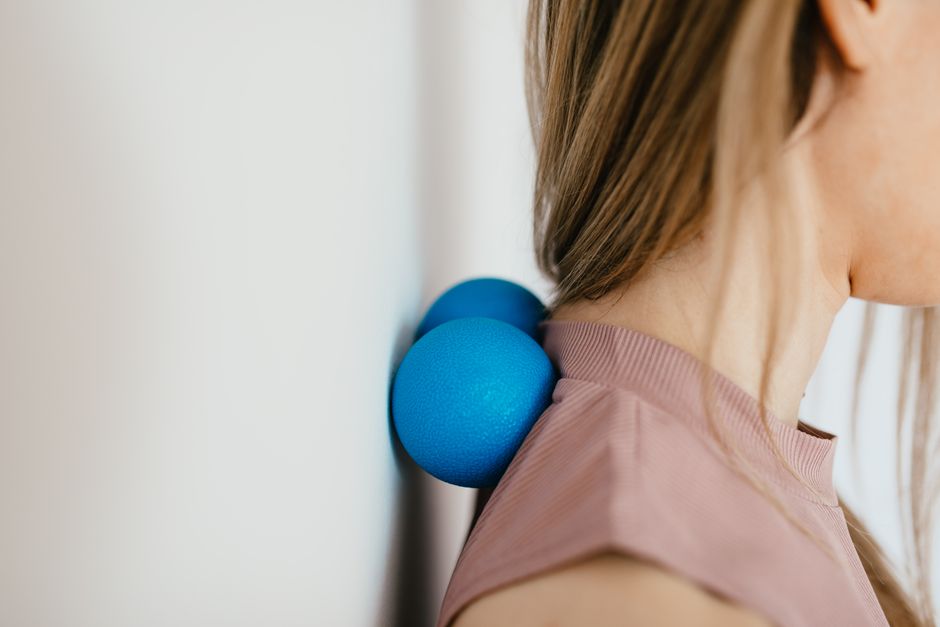
Muscle soreness after a workout is normal, especially when you try a new exercise or push harder than usual. The medical term is delayed onset muscle soreness, or DOMS. It typically peaks 24 to 72 hours after exercise and fades on its own. You can ease the discomfort with light movement, gentle stretching, massage, and over-the-counter pain relievers if needed. The most effective strategy is to keep moving at low intensity rather than staying completely still.
What Causes Muscle Soreness After Exercise?
Soreness comes from microscopic tears in muscle fibers. This sounds alarming, but it is a normal part of the muscle-building process. When the fibers repair, they grow back stronger and thicker.
DOMS is most common after eccentric exercises. These are movements where the muscle lengthens under tension. Examples include lowering a heavy weight slowly, running downhill, or the downward phase of a squat. The muscle works hard while stretching, which creates more micro-tears than concentric movements like lifting a weight upward.
Lactic acid is not the cause. That is an outdated idea. Lactic acid clears from your muscles within an hour of finishing your workout. Soreness appears 24 hours later, so the two are not connected.
How To Alleviate Sore Muscles After A Workout: What Actually Works
Several methods have solid evidence behind them. Others are popular but have limited research support.
Light movement is the most reliable approach. Walking, cycling at low resistance, or swimming increases blood flow to sore muscles. Better circulation delivers oxygen and nutrients that support repair. It also helps flush out waste products from the inflammatory process. Aim for 10 to 20 minutes of easy activity. You should feel better afterward, not worse.
Massage has consistent research support. Studies have found that massage reduces soreness and improves perceived recovery. The effect may come from reduced inflammation and improved blood flow. Even a 10-minute session can help. Foam rolling is a self-massage alternative that many people find helpful, though the research on foam rolling specifically is less robust than on professional massage.
Heat therapy works for some people. A warm bath or heating pad relaxes tight muscles and increases blood flow. A 2017 review in the Journal of Clinical Medicine noted that heat can reduce muscle stiffness and pain. The effect is modest but real.
Cold therapy is different. Ice baths and cold packs reduce inflammation and numb pain, but they may slow down the muscle repair process. Some research suggests cold water immersion reduces soreness in the short term. The trade-off is that it might blunt some of the muscle-building response. If your goal is relief, cold works. If your goal is maximum muscle growth, you might skip it.
Over-the-counter pain relievers can help. Ibuprofen (Advil, Motrin) and naproxen (Aleve) are nonsteroidal anti-inflammatory drugs that reduce pain and swelling. Acetaminophen (Tylenol) reduces pain but does not reduce inflammation. Use these as directed on the label and only when needed. Some evidence suggests regular use of NSAIDs after workouts might interfere with muscle adaptation, so they are best used sparingly.
Stretching: Does It Really Help?
Stretching feels good when you are sore, but the research is mixed on whether it actually speeds up recovery.
A well-known 2011 Cochrane review analyzed 12 studies on stretching after exercise. The researchers found that stretching reduced soreness by a tiny amount — less than 1 point on a 100-point scale. That difference is so small it is practically meaningless.
However, stretching may still help you feel better subjectively. Gentle stretching increases blood flow and can reduce the feeling of tightness. The key word is gentle. Aggressive stretching of a sore muscle can worsen the micro-tears and delay recovery.
If you enjoy stretching, do it. Just do not expect it to dramatically speed up your recovery. Move into each stretch slowly and stop before you feel sharp pain.



How Long Does Soreness Last?
DOMS typically begins 12 to 24 hours after exercise. It peaks at 24 to 72 hours and gradually fades. Most people feel significantly better within 3 to 5 days.
How long your soreness lasts depends on several factors. The intensity of your workout matters most. A harder session creates more micro-tears and longer recovery. Your training history also plays a role. Beginners experience more soreness because their muscles are not adapted to the stress. Regular exercisers still get sore, but usually less severely.
Your soreness should decrease each day. If it gets worse after day three, that is a warning sign. It could mean you have an injury rather than normal muscle soreness.
When Is Soreness A Sign Of Something Serious?
Normal DOMS is uncomfortable but not dangerous. Some warning signs require medical attention.
Rhabdomyolysis is a rare but serious condition where muscle tissue breaks down rapidly and releases proteins into the bloodstream. This can damage your kidneys. Warning signs include:
- Severe muscle weakness that makes it hard to move
- Dark, tea-colored, or brown urine
- Swelling in the affected muscles
- Pain that is much worse than typical soreness
If you notice these symptoms, seek medical care immediately. Rhabdomyolysis is treatable, but it requires prompt attention.
You should also see a doctor if you have sharp pain rather than dull soreness. Sharp pain during movement often indicates a strain or tear. Soreness is diffuse and feels like a deep ache. Injury pain is localized and often worsens with specific movements.
If soreness lasts longer than 7 days, check with a healthcare provider. Normal DOMS should resolve within that window.
How To Prevent Sore Muscles Before They Start
You cannot completely prevent DOMS. Any new or intense workout will cause some soreness. But you can reduce how severe it is.
Progress gradually. Increase your workout intensity by no more than 10 percent per week. This gives your muscles time to adapt without overwhelming them.
Warm up properly. A 5 to 10 minute warm-up increases blood flow and prepares muscles for work. Start with light cardio, then do dynamic movements that mimic your workout. Dynamic stretches like leg swings and arm circles are better than static stretching before exercise.
Cool down after your workout. Spend 5 minutes doing easy activity followed by gentle static stretching. This does not prevent soreness entirely, but it helps your body transition back to a resting state.
Stay hydrated. Dehydration can worsen muscle cramps and delay recovery. Drink water before, during, and after exercise. The exact amount varies by person, body size, and workout intensity. A general guideline is to drink about 17 to 20 ounces of water in the 2 to 3 hours before exercise and continue sipping throughout your session.
Eat enough protein. Protein provides the building blocks your muscles need to repair. Aim for 20 to 40 grams of protein within a few hours after your workout. Good sources include chicken, fish, eggs, Greek yogurt, or a protein shake. This does not prevent soreness, but it supports faster recovery.
Does Nutrition Affect Muscle Recovery?
What you eat after a workout influences how quickly your muscles repair. The research is strongest for protein and overall calorie intake.
Protein intake after exercise stimulates muscle protein synthesis, the process that rebuilds damaged fibers. A 2017 meta-analysis in the British Journal of Sports Medicine found that protein supplementation reduced muscle soreness after exercise. However, the effect was modest, and total daily protein intake matters more than the timing of a single dose.
Carbohydrates also play a role. They replenish glycogen stores, which are your muscles’ primary fuel source. If you exercise again within 24 hours, eating carbs after your workout helps you perform better next time.
Anti-inflammatory foods like tart cherry juice, turmeric, and omega-3 fatty acids have shown some promise in small studies. The evidence is preliminary. Eating a balanced diet with plenty of fruits, vegetables, and whole foods is the most reliable approach. There is no magic food that eliminates soreness.
Should You Work Out When Sore?
It depends on how sore you are and what kind of workout you plan to do.
Mild to moderate soreness does not require rest. You can train the same muscle group if you keep the intensity low. Light activity actually promotes blood flow and may speed recovery. Many athletes follow an “active recovery” approach where they do easy exercise on rest days.
Severe soreness is different. If you struggle to sit down or raise your arms, your muscles need more time. Training intensely on severely sore muscles increases your risk of injury. It also prevents full recovery, which can create a cycle of chronic soreness and underperformance.
A good rule: if the soreness is mild and loosens up as you move, you are fine to train. If it is severe and limits your range of motion, take another rest day or do a different muscle group.
Listen to your body. It is the most accurate guide you have.
Frequently Asked Questions
How long does muscle soreness last after a workout?
Soreness typically starts 12 to 24 hours after exercise and peaks between 24 and 72 hours. Most people feel significantly better within 3 to 5 days.
Is it good to stretch sore muscles?
Gentle stretching can help you feel better, but research shows it does not significantly speed up recovery. Aggressive stretching can worsen micro-tears, so keep it light.
Should I take ibuprofen for muscle soreness?
Ibuprofen can reduce pain and inflammation from sore muscles. Use it as directed on the label, and only when needed, since regular use may interfere with muscle adaptation.
Can I work out when my muscles are sore?
Mild soreness is fine to train through with light intensity. Severe soreness that limits your range of motion means you should rest or work a different muscle group.
