
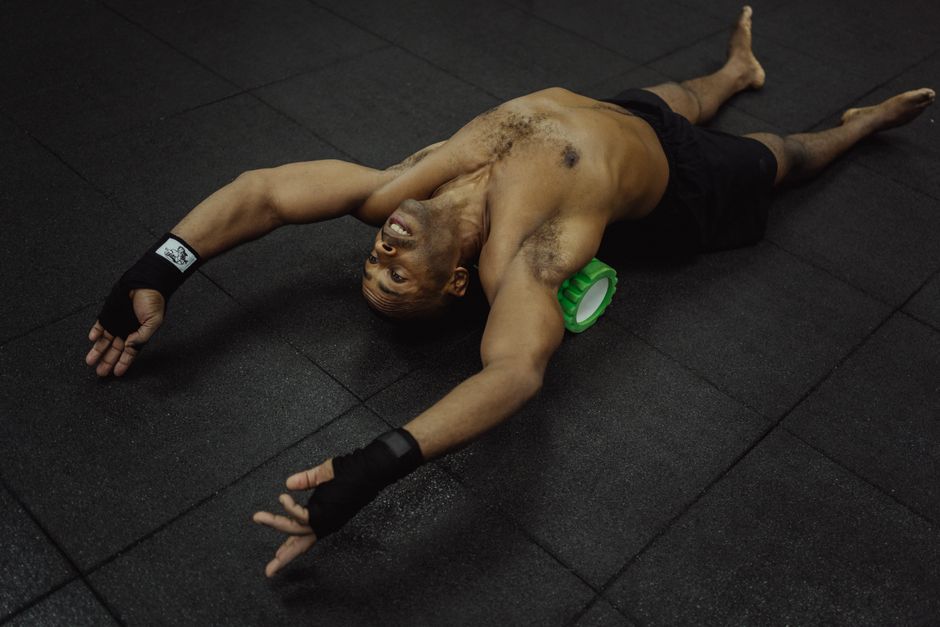
You finished a hard workout and now you can barely lift your arms to brush your teeth. That soreness is called delayed onset muscle soreness (DOMS), and it usually peaks 24 to 72 hours after exercise. The fastest way to recover is a combination of light movement, strategic nutrition, and quality sleep. There is no single magic bullet, but using the right methods together can cut your recovery time in half.
What Actually Causes Muscle Soreness After Exercise?
Most people think soreness comes from lactic acid buildup. That is not correct. Lactic acid clears from your muscles within about an hour after you stop exercising. The real cause is microscopic damage to your muscle fibers. When you push your muscles harder than they are used to — especially during eccentric movements like lowering a weight or running downhill — you create tiny tears in the tissue.
Your body responds by sending immune cells to clean up the damaged cells and start repairing the tissue. This inflammatory response is what causes the pain and stiffness you feel. Research published in the Journal of Strength and Conditioning Research shows that DOMS is actually a normal part of the muscle strengthening process. The damage signals your body to build back stronger.
The soreness is not a sign you did something wrong. It is a sign your muscles are adapting. But that does not mean you have to suffer through it. Understanding the mechanism helps you pick recovery strategies that actually target the problem.
Does Light Movement Help You Recover Faster?
Yes, but with an important caveat. Complete rest is not the best option for DOMS. Light activity increases blood flow to the sore muscles, which helps deliver oxygen and nutrients needed for repair. The key word is light. You should not do another intense workout targeting the same muscles.
Studies have found that low-intensity exercise like walking, cycling at an easy pace, or gentle yoga can reduce perceived soreness. A 2021 review in Sports Medicine looked at multiple studies and concluded that active recovery — moving at about 30 to 40 percent of your maximum effort — is more effective than passive rest for reducing DOMS symptoms.
What does this look like practically? If your legs are sore from squats, go for a 20-minute walk. If your upper body is sore, do some arm circles and light stretching. The goal is movement, not work. Stop if the activity makes the pain worse. Sharp pain during movement is different from dull soreness and may signal an injury.
How To Recover From Sore Muscles Faster After A Workout With Nutrition
What you eat after a workout directly affects how quickly your muscles repair. Protein provides the amino acids your body uses to rebuild damaged muscle fibers. The American College of Sports Medicine recommends consuming 20 to 40 grams of protein within two hours after exercise for optimal recovery.
Carbohydrates matter too. They replenish glycogen stores that get depleted during exercise. Without enough carbs, your body may break down muscle tissue for energy instead of building it up. A 3-to-1 ratio of carbs to protein is a solid guideline for post-workout meals.
Some specific nutrients have research backing for muscle recovery:
- Tart cherry juice — A study in the Journal of the International Society of Sports Nutrition found that tart cherry juice reduced muscle soreness and strength loss after intense exercise. The anthocyanins in cherries have anti-inflammatory effects.
- Omega-3 fatty acids — Fish oil supplements have been shown in multiple studies to reduce DOMS. A 2020 meta-analysis in the Journal of Dietary Supplements concluded that omega-3s modestly decrease muscle soreness after exercise.
- Creatine monohydrate — This is widely claimed to help recovery, though strong evidence is limited for DOMS specifically. Creatine does help with strength gains and may reduce muscle damage when taken consistently over weeks.
Hydration is often overlooked. Even mild dehydration can increase perceived soreness. A study from the University of Connecticut found that dehydrated athletes reported higher levels of muscle pain during and after exercise. Drink water throughout the day, not just during your workout.


What About Ice Baths and Cold Therapy?
Cold water immersion is one of the most debated recovery methods. Some studies suggest it reduces soreness. Others find it may blunt the muscle adaptation process. A 2015 meta-analysis in the British Journal of Sports Medicine looked at 17 studies and found that cold water immersion reduced DOMS by about 20 percent compared to passive recovery.
But here is the catch. The same analysis noted that cold therapy may interfere with the inflammatory response that triggers muscle growth. If your goal is to get stronger over time, frequent ice baths might work against you. For occasional relief after a particularly brutal workout, they can help. For everyday recovery, skip them.
Heat therapy works differently. Heat increases blood flow and relaxes tight muscles. A 2017 study in the Journal of Clinical Medicine found that applying heat for 15 to 20 minutes after exercise reduced muscle stiffness and pain. Warm baths, heating pads, or sauna sessions are reasonable options if you prefer heat over cold.
| Method | Reduces Soreness? | May Affect Long-Term Gains? | Best Use Case |
|---|---|---|---|
| Ice bath | Yes, modest effect | Possible blunting | After extreme training sessions |
| Heat therapy | Yes, for stiffness | No known effect | Daily recovery or before movement |
| Light movement | Yes, moderate effect | No, may help | Next day after hard workout |
| Massage | Yes, strong effect | No known effect | When soreness is severe |
Do Foam Rolling and Massage Actually Work?
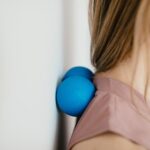
Yes, and the evidence is fairly strong. Foam rolling — also called self-myofascial release — applies pressure to sore muscles and can reduce pain perception. A 2019 study in the Journal of Athletic Training found that foam rolling for 10 to 15 minutes after exercise reduced DOMS by about 30 percent compared to no treatment.
The mechanism is not fully understood. Some researchers think foam rolling increases blood flow. Others believe it affects the nervous system by temporarily reducing pain signals. Either way, the practical benefit is real. Roll slowly over sore areas and stop on any particularly tender spots for about 30 seconds. Do not roll over bones or joints.
Professional massage is even more effective for recovery. A 2012 study published in the Journal of Sports Sciences found that massage performed two hours after exercise reduced DOMS by up to 40 percent. The downside is cost and access. Foam rolling is a reasonable substitute that costs about 20 dollars for a quality roller.
What to Avoid When Trying to Recover Faster
Some popular recovery methods have little to no evidence behind them. Compression sleeves and compression clothing are widely claimed to help, though strong evidence is limited. A 2014 review in the British Journal of Sports Medicine found that compression garments may reduce perceived soreness slightly but do not speed up actual muscle recovery.
Anti-inflammatory medications like ibuprofen are another common choice that may backfire. Taking NSAIDs after exercise can reduce the inflammatory response that triggers muscle repair. A 2017 study in the American Journal of Sports Medicine found that ibuprofen use after exercise actually impaired muscle protein synthesis. Save painkillers for injuries, not normal soreness.
Stretching before or after exercise does not prevent or reduce DOMS. This is one of the most stubborn myths in fitness. A 2011 Cochrane review of 12 studies concluded that stretching before or after exercise does not produce clinically important reductions in muscle soreness. Stretching has other benefits for flexibility, but do not expect it to speed up recovery.
Some people report that BCAAs (branched-chain amino acids) help with recovery. This is widely claimed though strong evidence is limited. BCAAs are already present in complete protein sources. If you are eating enough protein, BCAA supplements are unlikely to provide additional benefit.
Does Sleep Really Make a Difference for Muscle Recovery?
This is the most underrated recovery tool. During deep sleep, your body releases growth hormone, which is essential for tissue repair. A 2019 study in the Journal of Sleep Research found that athletes who slept less than seven hours per night had significantly higher levels of muscle soreness compared to those who slept eight to nine hours.
Poor sleep also increases cortisol levels. Cortisol is a stress hormone that breaks down muscle tissue. When you are sleep deprived, your body prioritizes survival over repair. The result is slower recovery and more perceived pain.
As of 2026 there is no clinical evidence that any supplement or device can replace the recovery benefits of good sleep. Aim for seven to nine hours. Keep your bedroom cool and dark. Avoid screens for at least 30 minutes before bed. This is not glamorous advice, but it is the most consistently supported by research.
Frequently Asked Questions
Should I work out again if my muscles are still sore?
You can exercise other muscle groups that are not sore. Working the same sore muscles at high intensity will delay recovery and increase injury risk.
How long does muscle soreness usually last?
DOMS typically peaks between 24 and 72 hours after exercise and resolves within five to seven days. If soreness lasts longer than a week, see a doctor.
Does drinking more water help sore muscles?
Yes, dehydration can increase muscle pain perception. Staying hydrated helps your body flush out waste products from muscle repair.
Is it safe to take a hot bath for sore muscles?
Yes, heat therapy is safe for most people. Keep the water warm, not scalding, and limit baths to 20 minutes to avoid overheating.
