
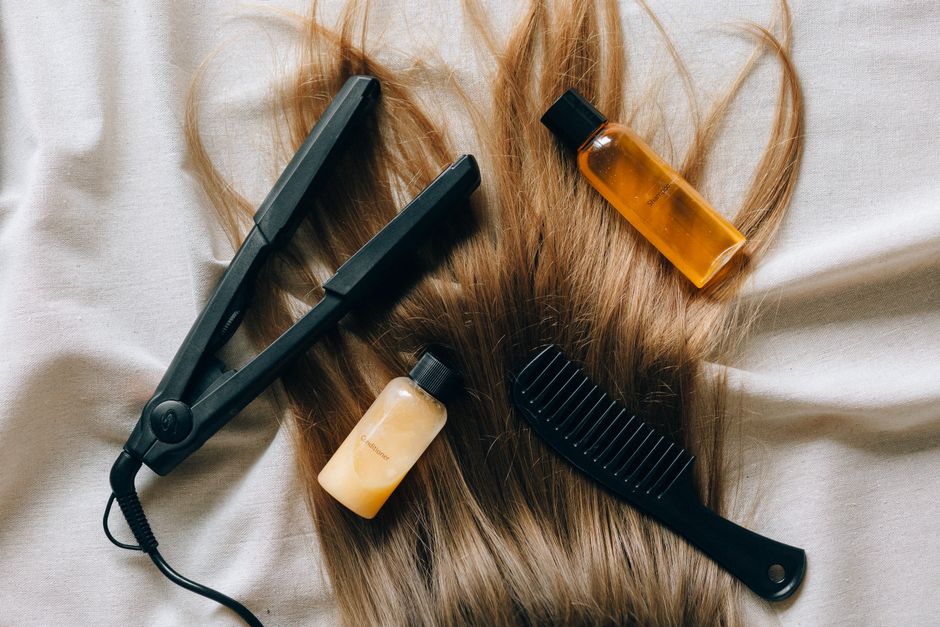
Getting sleek, straight hair at home without frying it is absolutely possible. The difference between a salon-smooth finish and a damaged, frizzy mess comes down to just a few key steps: using the right heat setting, prepping your hair properly, and moving the flat iron at the correct speed. Most people skip the most critical step—using a heat protectant that actually works with your hair type—and then wonder why their hair looks dull. This guide walks you through exactly what the evidence says about flat ironing safely and effectively, so you get the look you want without the damage.
What Temperature Should You Set Your Flat Iron To?
This is the single most important decision you will make. Too hot and you risk burning your hair. Too cool and you will have to pass the iron over the same section multiple times, which also causes damage. Research shows that hair begins to show structural damage at temperatures above 350°F (175°C).
For fine or color-treated hair, keep your flat iron between 300°F and 330°F. For normal, healthy hair, 330°F to 350°F is the sweet spot. Thick, coarse, or curly hair may need 350°F to 400°F, but never go above 400°F. The American Academy of Dermatology recommends starting at the lowest effective temperature and only increasing if needed. If your flat iron does not have a temperature dial, throw it away. Seriously. Irons without adjustable heat are usually set too high and will damage your hair over time.
Some people believe ceramic plates are always safer than titanium. That is not entirely true. Ceramic heats more evenly and is better for fine hair. Titanium heats up faster and holds high temperatures better for thick, coarse hair. The plate material matters less than the temperature control. A good ceramic iron set to 350°F will outperform a cheap titanium iron set to 400°F every time.
How To Straighten Hair With A Flat Iron Like A Pro: The Step-by-Step Method
Start with clean, completely dry hair. Flat ironing damp hair causes steam bubbles inside the hair shaft, which leads to breakage. Shampoo and condition as usual, then blow dry your hair fully. Use a paddle brush while blow drying to remove tangles and create a smooth base.
Apply a heat protectant spray or serum evenly throughout your hair. Do not skip this. Studies have shown that heat protectants reduce moisture loss by up to 50% during straightening. Spray it section by section to ensure full coverage. Let it dry for 30 seconds before you start ironing.
Section your hair into four quadrants: two in the back and two on the sides. Clip the sections you are not working on out of the way. Work with one-inch wide sections at a time. Anything wider will not get straight in one pass, and you will be tempted to go over it again. Anything narrower wastes time and increases heat exposure.
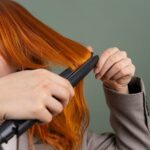
Clamp the iron near your roots, but do not squeeze too hard. Glide it down the hair shaft in one smooth, continuous motion. Do not stop. Do not twist. Do not go back over the same section unless absolutely necessary. A pro typically gets hair straight in one pass. If you need a second pass, lower your temperature and try a smaller section next time.
What Is The Best Heat Protectant To Use?
Not all heat protectants are created equal. The ingredient that matters most is a film-forming polymer, such as PVP or VP/VA copolymer. These ingredients coat the hair shaft and create a barrier between your hair and the heat. Silicones like dimethicone also help by smoothing the cuticle and reducing friction from the plates.
Avoid products that list alcohol as one of the first three ingredients. High-concentration alcohols can dry out your hair and make it more brittle under heat. Look for products that also contain hydrolyzed proteins, which can help strengthen the hair during heat styling. Some research suggests that argan oil and coconut oil can provide some heat protection, but they are not substitutes for a dedicated heat protectant spray.
Sprays generally distribute more evenly than serums or creams. If you use a serum, emulsify it in your palms first and then rake it through your hair. Do not apply it directly to your scalp. Focus on the mid-lengths and ends, which are the oldest and most vulnerable parts of your hair.
| Heat Protectant Type | Best For | Key Ingredient To Look For |
|---|---|---|
| Spray | Fine or thin hair | PVP or VP/VA copolymer |
| Serum | Thick or coarse hair | Dimethicone or cyclomethicone |
| Cream | Dry or damaged hair | Hydrolyzed wheat protein |


How Often Can You Flat Iron Without Causing Damage?
This depends entirely on your hair type and how well you care for it between styling. For most people, flat ironing once a week is safe if you use a heat protectant and keep the temperature below 350°F. Straightening two or three times a week increases the risk of cumulative damage, especially if you do not use deep conditioning treatments.
Research published in the Journal of Cosmetic Science found that repeated heat styling at 400°F caused significant protein loss in hair after just five sessions. At 350°F, the same study found minimal damage after ten sessions. The takeaway is clear: lower heat more often is safer than high heat less often.
If you flat iron regularly, incorporate a weekly deep conditioning mask. Look for products containing ceramides or fatty alcohols, which help repair the lipid layer of the hair. Also, consider using a silk or satin pillowcase. Cotton pillowcases create friction that roughs up the hair cuticle, making your next straightening session more difficult and more damaging.
Common Mistakes That Ruin Your Flat Iron Results
The most common mistake is using a flat iron on dirty hair. Product buildup, natural oils, and dust create a layer that bakes onto the hair shaft when heated. This causes dullness and can make hair look greasy at the roots. Always start with clean, dry hair.
Another mistake is clamping the iron too tightly. You do not need to squeeze the plates together with force. A gentle clamp is enough to glide the iron down the hair. Excessive pressure can cause dents or creases in the hair that look unnatural and are hard to fix without rewashing.
Moving the iron too slowly is also a problem. A slow glide exposes the hair to heat for too long, which increases the risk of burning. A fast glide may not straighten the hair fully. The correct speed is about one to two inches per second. Practice on a small section to find the rhythm that works for your hair thickness.
Finally, do not straighten wet or damp hair. This is not just a bad idea—it is dangerous. Water inside the hair shaft turns to steam, which can cause the hair to bubble and burst. This type of damage is irreversible. The hair will look fried and feel brittle until it grows out and is cut off.
How To Keep Hair Straight Longer Between Washes
Humidity is the enemy of straight hair. When water molecules in the air penetrate the hair shaft, they break the hydrogen bonds that keep hair straight. This causes frizz and reversion to your natural texture. The solution is to use a humidity-resistant finishing product.
Look for a lightweight hair oil or anti-frizz serum containing silicones or oils like jojoba or squalane. Apply a tiny amount to your palms and smooth it over the surface of your straightened hair. Do not rub it in. Just smooth it down the length to seal the cuticle.
Sleeping with your hair in a loose, low ponytail or braid can help maintain the style overnight. Use a silk or satin scrunchie, not a regular elastic band that can leave dents. In the morning, if your hair has slight kinks or bends, you can touch up just those areas with a flat iron on the lowest heat setting. Do not re-straighten your entire head.
Dry shampoo can also extend your style by absorbing excess oil at the roots. Apply it before bed so it has time to work overnight. Brush it out in the morning for refreshed-looking hair without the need for washing.
Frequently Asked Questions
Can I use a flat iron on wet hair?
No. Flat ironing wet hair causes steam damage that can permanently ruin your hair. Always blow dry completely before using a flat iron.
What is the best flat iron for fine hair?
A flat iron with ceramic plates and adjustable temperature settings between 300°F and 350°F is best for fine hair. Ceramic plates distribute heat evenly and reduce hot spots.
How do I stop my hair from frizzing after straightening?
Apply a humidity-resistant anti-frizz serum or lightweight oil after straightening. Avoid touching your hair throughout the day because hand oils can disrupt the style.
Is it safe to straighten hair every day?
Daily flat ironing is not recommended for most hair types. It increases the risk of protein loss and breakage. Once or twice per week is safer for long-term hair health.
