
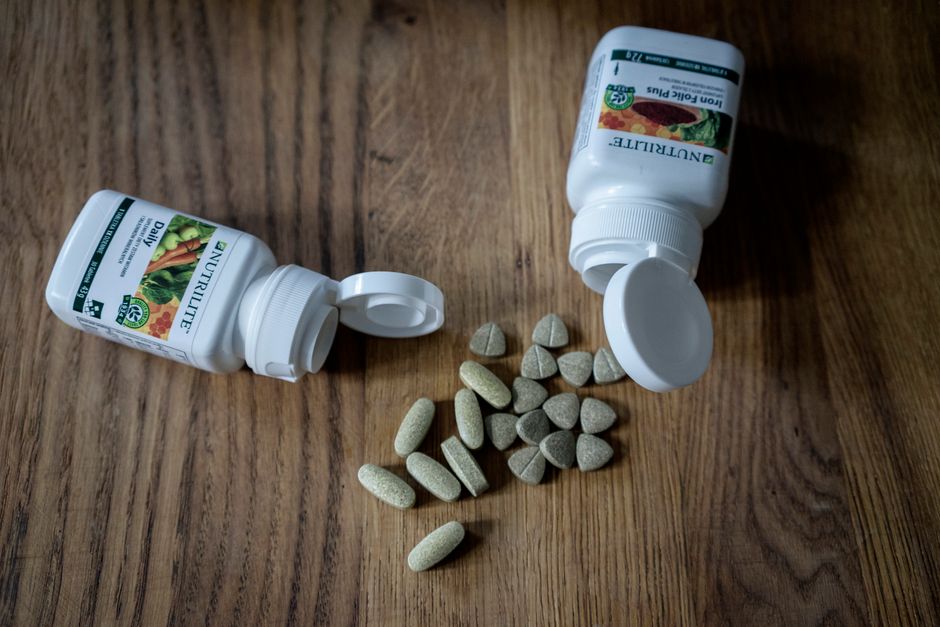
Yes, iron deficiency can cause hair loss. When your body does not have enough iron, it cannot make enough hemoglobin. Hemoglobin is the protein in red blood cells that carries oxygen to your tissues, including your hair follicles. Without enough oxygen, your hair growth cycle slows down or stops. This leads to shedding and thinning. The medical term for this type of hair loss is telogen effluvium. It is usually temporary. If you fix the iron deficiency, your hair often grows back. But you need to know the signs, the science, and what actually works. This article covers all of that.
How Does Iron Deficiency Cause Hair Loss?
Iron is a mineral your body needs to function. One of its main jobs is helping make hemoglobin. Think of hemoglobin as a delivery truck for oxygen. When you are low on iron, there are fewer trucks. Less oxygen reaches your hair follicles. Hair follicles are some of the fastest-growing cells in your body. They need a lot of energy and oxygen. When they do not get enough, they slow down.
Your hair goes through phases. The growth phase is called anagen. The resting phase is called telogen. When iron deficiency hits, many hair follicles shift from the growth phase into the resting phase early. This is called telogen effluvium. After about three months of being in the resting phase, those hairs fall out. That is why you often notice hair loss a few months after the deficiency starts. It is not immediate. It is a delayed reaction.
Research shows that iron deficiency is one of the most common causes of hair loss in women. Some studies suggest it may affect men too, though it is less studied in men. The link is strongest for people who already have female pattern hair loss or a condition called alopecia areata. But even without those conditions, low iron can trigger shedding.
What Are the Signs of Iron Deficiency Hair Loss?
Hair loss from low iron looks different for different people. The most common pattern is diffuse thinning. This means you lose hair all over your scalp, not just in one spot. You might notice more hair in your brush, on your pillow, or in the shower drain. Your part may look wider. Your ponytail may feel thinner.
There are other signs that point to iron deficiency itself. You may feel tired or weak. You might have pale skin or brittle nails. Some people get restless legs or feel cold all the time. Headaches and dizziness can also happen. If you have these symptoms along with hair loss, iron deficiency is a real possibility.
As of 2026, current research suggests that not everyone with low iron loses hair. Some people have low ferritin (stored iron) and no hair issues. Others lose hair even with borderline levels. It depends on your genetics, overall health, and other nutrient levels. The threshold for hair problems is not the same for everyone. But if your ferritin is below 30 ng/mL, the risk goes up. Some experts think it should be above 70 ng/mL for healthy hair growth.
What Does Research on Iron Deficiency and Hair Loss Show?
The research on this topic is not perfect, but it is clear enough to act on. A 2017 study in the Journal of the American Academy of Dermatology reviewed multiple studies. It found that low ferritin was more common in women with hair loss than in women without it. The link was strongest for telogen effluvium and female pattern hair loss.
Another study looked at men with hair loss. It found that men with male pattern baldness did not have lower iron levels than men with full hair. But men with diffuse thinning did have lower ferritin. This suggests iron deficiency plays a role in certain types of hair loss, not all types.
Some studies suggest that treating iron deficiency can stop hair loss and help regrowth. But the evidence is not strong enough to say it works for everyone. A 2013 study in the Journal of Drugs in Dermatology gave iron supplements to women with low ferritin and hair loss. After six months, many had less shedding. But the study was small and had no placebo group. So the results are promising but not proof.
What the research does show clearly is that fixing iron deficiency removes one stressor from your hair follicles. Even if it does not regrow all your hair, it can stop the extra shedding. That alone is worth doing.





How Do You Know If Iron Deficiency Is Causing Your Hair Loss?
You cannot guess this. You need a blood test. The most important markers are serum ferritin and hemoglobin. Ferritin shows how much iron your body has stored. Hemoglobin shows how well your blood carries oxygen.
A normal ferritin range is usually 20 to 200 ng/mL. But for hair health, many dermatologists want it above 70 ng/mL. If your ferritin is below 30 ng/mL, you are almost certainly iron deficient. If it is between 30 and 70, you may be functionally deficient for hair growth even if you are not anemic.
Hemoglobin below 12 g/dL in women or 13.5 g/dL in men means anemia. That is a more serious stage of iron deficiency. At that point, hair loss is very likely. But you do not need to be anemic to lose hair from low iron. Non-anemic iron deficiency can also cause shedding.
Your doctor can order these tests. If you cannot see a doctor, some labs let you order your own tests. But it is better to work with a professional. They can also check for other causes like thyroid problems, vitamin D deficiency, or hormone issues.
What Actually Works to Fix Iron Deficiency Hair Loss?
If your blood tests show low iron, the fix is straightforward. You need to raise your iron levels. The fastest way is with iron supplements. But you have to do it right.
Here is a comparison of common iron supplements:
| Type | Absorption | Side Effects | Best For |
|---|---|---|---|
| Ferrous sulfate | Good | Constipation, nausea | Most people, low cost |
| Ferrous gluconate | Moderate | Fewer stomach issues | Sensitive stomachs |
| Iron bisglycinate | Very good | Least side effects | Best tolerated overall |
| Heme iron | Excellent | Expensive | Hard-to-treat cases |
Take iron on an empty stomach for best absorption. Vitamin C helps. Take it with a glass of orange juice or a vitamin C tablet. Do not take it with coffee, tea, or calcium. Those block absorption.
Food sources of iron include red meat, liver, spinach, lentils, and fortified cereals. But food alone is rarely enough to fix a deficiency. You usually need supplements. Your doctor will tell you how much to take. Typical doses are 60 to 120 mg of elemental iron per day.
Do not take iron if your levels are normal. Too much iron is toxic. It can damage your liver and heart. Only take it if a blood test shows you need it.
What to Avoid When Treating Iron Deficiency Hair Loss
A few things can slow down your progress. Avoid taking iron with calcium-rich foods or supplements. Calcium competes with iron for absorption. Avoid taking iron within two hours of drinking coffee or tea. The tannins in them block iron.
Do not expect results overnight. Hair grows slowly. It takes three to six months to see less shedding. It can take six to twelve months to see regrowth. If you stop taking iron too soon, the hair loss may come back.
Do not assume iron is the only cause. Many people have multiple issues at once. Low vitamin D, low zinc, and thyroid problems can also cause hair loss. Fixing iron alone may not be enough if you have other deficiencies. Get a full workup.
Do not fall for viral “hair growth supplements” that promise to fix everything. Many contain tiny amounts of iron that will not correct a real deficiency. Others have herbs that do nothing. Stick with the basics: check your levels, fix what is low, and be patient.
Frequently Asked Questions About iron deficiency cause hair loss
Can low iron cause hair loss even if I am not anemic?
Yes. You do not need to be anemic to lose hair from low iron. Even low ferritin levels without anemia can trigger shedding.
How much iron should I take for hair loss?
The dose depends on your blood test results. Most people need 60 to 120 mg of elemental iron per day, but only take what your doctor recommends.
How long does it take for hair to grow back after fixing iron deficiency?
Most people see less shedding within three months. Visible regrowth usually takes six to twelve months after iron levels return to normal.
Is iron deficiency hair loss permanent?
No. Iron deficiency hair loss is usually temporary. Once your iron levels are corrected, hair growth typically returns to normal.
