
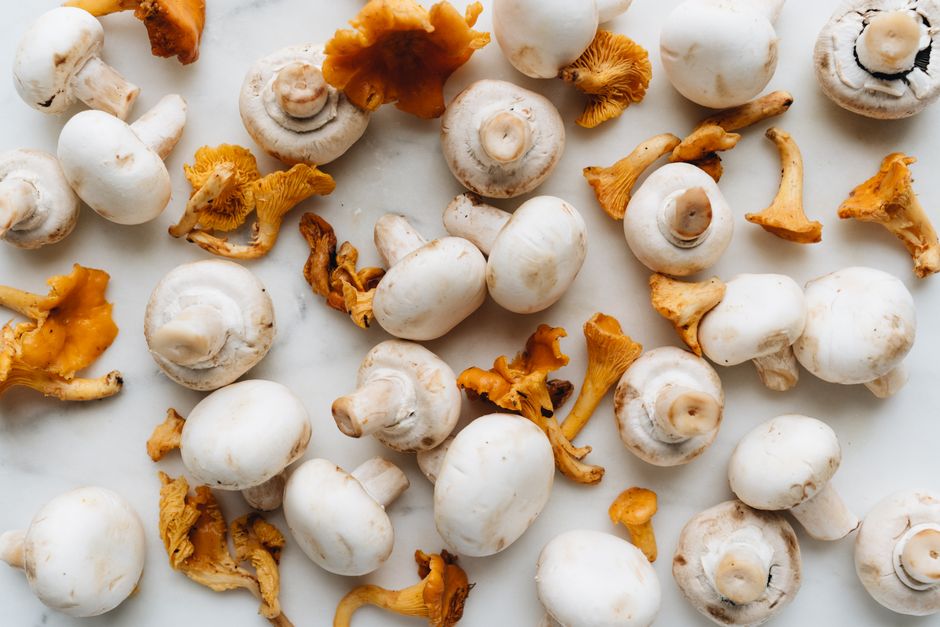
Fresh mushrooms go bad faster than most produce. The slime on mushrooms is not a separate substance — it is the mushroom itself breaking down and releasing moisture. Once that process starts, the texture turns slick and the flavor suffers. The good news is that you can slow it down dramatically with the right storage method. The key is managing moisture, not just temperature. Mushrooms are roughly 90 percent water, and they release that water quickly when trapped in a sealed container. Keep them dry, keep them cold, and give them air, and they will stay firm for a week or more.
Why Do Mushrooms Get Slimy So Fast?
Mushrooms are fungi, and their structure is different from vegetables. They act like sponges. They absorb moisture from the air and from anything they touch. When you buy mushrooms in a plastic-wrapped tray, the mushrooms release moisture, that moisture condenses on the plastic, and then the mushrooms reabsorb it. This cycle breaks down the cell walls quickly.
Slime is the visible result of that breakdown. It is not mold, though mold can follow. The sliminess is the mushroom’s own tissue decomposing. This is why washing mushrooms before storage is a mistake. The added water accelerates the entire process. Most commercial mushroom farms recommend against rinsing until just before cooking.
What Is The Best Way To Store Mushrooms?
The best method is simple: transfer mushrooms out of their original packaging and into a paper bag. A brown paper bag absorbs excess moisture while still letting the mushrooms breathe. Close the top loosely — do not seal it. Place the bag in the main body of the refrigerator, not in the crisper drawer’s sealed compartment. The slightly higher airflow in the main shelf helps keep humidity down.
This method works for most common varieties: white button, cremini, portobello, and shiitake. It keeps mushrooms firm for five to seven days in most refrigerators. If your refrigerator runs humid, the paper bag may become damp. If that happens, replace the bag with a fresh dry one.
Should You Store Mushrooms In A Paper Bag Or A Plastic Container?
Paper bags are the standard recommendation from food scientists and culinary professionals. The reason is moisture control. Plastic traps humidity, and humidity is what causes slime.
If you prefer a container, use a glass or plastic container with a loose-fitting lid. Do not snap the lid shut. Place a dry paper towel in the bottom of the container and lay mushrooms on top in a single layer if possible. Replace the paper towel whenever it feels damp. This method works nearly as well as a paper bag, and it protects mushrooms from getting crushed.
Never store mushrooms in the sealed plastic tray they came in. That packaging is designed for display, not for long-term storage.





Can You Wash Mushrooms Before Storing Them?
No. Washing mushrooms before storage adds moisture, and moisture is the direct cause of slime. Rinse mushrooms right before cooking instead.
If mushrooms are visibly dirty, wipe them with a dry paper towel or a soft brush. A mushroom brush or a clean, dry cloth removes most dirt without adding water. For heavily soiled mushrooms, a quick rinse immediately before cooking is fine — just pat them dry with a towel and cook them right away.
How Long Do Mushrooms Last In The Refrigerator?
Whole, raw mushrooms stored properly in a paper bag typically last 5 to 7 days in the refrigerator. Sliced mushrooms last less time — usually 3 to 4 days — because cutting exposes more surface area to air and moisture.
Cooked mushrooms last 3 to 5 days in an airtight container in the refrigerator. They should be reheated thoroughly before eating. If mushrooms develop a sour smell, a sticky film, or dark oozing spots, throw them out. These are signs of spoilage, not normal aging.
Does Freezing Mushrooms Work?
Freezing is an option, but it changes the texture. Raw mushrooms contain so much water that freezing ruptures their cell walls. When thawed, they become soft and watery. They will not have the firm texture of fresh mushrooms.
For cooking purposes, frozen mushrooms work fine in soups, stews, sauces, and stir-fries where texture matters less. The best approach is to sauté mushrooms in butter or oil first, let them cool, then freeze them in a sealed bag or container. Cooked frozen mushrooms keep for about 3 months. Label the container with the date so you know how long they have been stored.
How To Store Mushrooms And Keep Them Slime Free: The Complete Method
Here is the full routine, start to finish.
- Take mushrooms out of the store packaging as soon as you get home.
- Inspect them. Remove any that are already soft, bruised, or wet.
- Do not rinse them.
- Place them in a brown paper bag. Fold the top closed but do not seal it tightly.
- Store on a refrigerator shelf, not in the crisper drawer.
- Check the bag after two days. If the paper feels damp, replace it with a dry one.
- Use whole mushrooms within a week. Use sliced mushrooms within 3 to 4 days.
This method keeps mushrooms dry, which is the single most important factor. Mushrooms that stay dry do not get slimy.
What About Storing Mushrooms At Room Temperature?
Mushrooms should not sit at room temperature for more than a couple of hours. At room temperature, they continue to respire and release moisture, and bacteria multiply faster. The refrigerator slows this process significantly.
If you buy mushrooms at a farmers market and plan to use them the same day, keeping them on the counter for a few hours is fine. For anything longer, refrigeration is necessary.
Do Different Mushroom Varieties Need Different Storage?
Most common mushrooms store the same way. White button, cremini, portobello, shiitake, and oyster mushrooms all do well in a paper bag in the refrigerator.
Delicate varieties like enoki and maitake are more fragile. They bruise easily and dry out faster. Store them in a paper bag and use them within 3 to 4 days. Morels and other wild mushrooms are best used within 1 to 2 days of purchase. They are highly perishable and do not store well, even under ideal conditions.
Signs Your Mushrooms Have Gone Bad
Sliminess is the most obvious sign, but it is not the only one. A slimy mushroom is past its prime, even if it does not smell bad yet.
Other signs of spoilage include a sour or ammonia-like smell, dark brown or black oozing spots, a sticky film on the surface, or a wrinkled, shriveled appearance combined with softness. If mushrooms have any of these signs, discard them. Cooking spoiled mushrooms will not make them safe to eat.
Frequently Asked Questions
Should mushrooms be stored in a paper bag or plastic bag?
A paper bag is better because it absorbs moisture and allows airflow. Plastic traps moisture, which causes mushrooms to become slimy faster.
Can I wash mushrooms before putting them in the fridge?
No. Washing adds moisture, which speeds up spoilage. Wipe off dirt with a dry paper towel and rinse mushrooms only right before cooking.
How long do fresh mushrooms last in the refrigerator?
Whole mushrooms stored in a paper bag typically last 5 to 7 days. Sliced mushrooms last 3 to 4 days because more surface area is exposed.
Can you freeze fresh mushrooms to keep them longer?
Yes, but freezing changes their texture. Sauté them first, then freeze in a sealed container for up to 3 months. Use frozen mushrooms in cooked dishes, not raw.
