
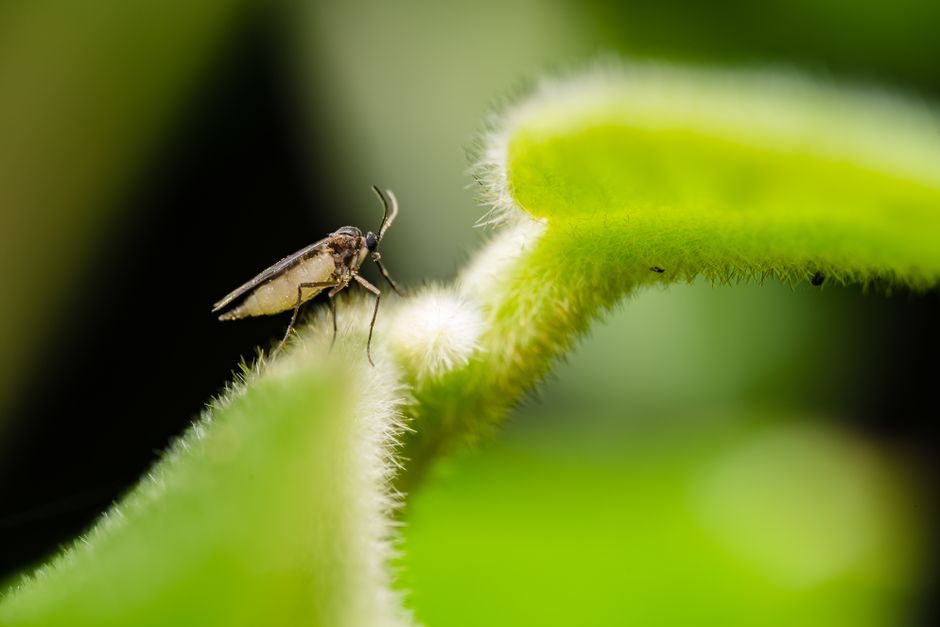
Gnats hovering near your face are not just annoying. They are drawn to the carbon dioxide you exhale, the moisture around your eyes and mouth, and the scent of your skin care products. The most effective way to keep them away is to remove what attracts them and create a physical barrier. You can do this by switching to unscented products, wearing a hat with a brim, using a proven repellent on exposed skin, and avoiding bright colors and floral patterns when you are outdoors.
Why Are Gnats So Attracted to Your Face?
Gnats are not randomly flying into your eyes. They are following specific chemical signals. Your breath releases carbon dioxide with every exhale. Many biting flies, including gnats, use this as a primary homing signal.
Your face also produces moisture. Sweat on your forehead, tears in your eyes, and the natural oils on your skin all release odors that gnats find appealing. Some species are drawn to the proteins and salts in sweat. Others are looking for a warm, moist surface to land on.
Your personal care products can make this worse. Many lotions, sunscreens, and soaps contain floral or fruity fragrances. These scents mimic the flowers that gnats feed on for nectar. If you are wearing a sweet-smelling moisturizer, you are essentially advertising yourself as a food source.
How To Keep Gnats Away From Your Face: Immediate Steps
When a gnat is already circling your face, speed matters. Do not wave your arms wildly. This creates air currents that make it harder for the gnat to land, but it also pushes them toward your eyes and mouth. A quick, deliberate fan with your hand is more effective.
Move into a breeze. Gnats are weak fliers. A steady wind of even a few miles per hour makes it difficult for them to hold position near your face. Standing near a fan, an air vent, or a breezy open area gives you immediate relief.
Cover your face. A wide-brimmed hat blocks a significant portion of the area gnats target. It shades your eyes and forehead, which are prime landing zones. If you are in a heavily infested area, a head net that drapes over a hat provides complete protection. These nets are lightweight and pack down small.
Wear light-colored clothing. Gnats are attracted to dark silhouettes. Light colors like white, khaki, and pastels are less appealing. A white shirt also reflects heat, making you less detectable to insects that sense body warmth.
Which Repellents Actually Work on Gnats?
Not all insect repellents work on gnats. Products designed for mosquitoes may not be effective against these smaller flies. The most reliable option is a product containing DEET at a concentration of 20 to 30 percent. DEET has decades of safety and efficacy data behind it. It is the standard against which all other repellents are measured.
Picaridin is a solid alternative. It is less oily than DEET and does not damage plastics or synthetic fabrics. Research has shown that picaridin at concentrations of 20 percent or higher provides comparable protection against biting flies, including gnats.
Oil of lemon eucalyptus is a plant-based option that has been registered by the EPA as a repellent. It works, but it needs to be reapplied more frequently than DEET or picaridin. It is not recommended for children under three years old.
Natural essential oil blends are a different story. Many products claim to repel gnats with citronella, peppermint, or lavender oil. Some studies suggest these oils have short-term repellent effects. The practical problem is duration. Essential oils evaporate quickly, and their repellent effect can fade in under an hour. You would need to reapply constantly to maintain protection.




What Scents and Products Are Attracting Gnats to You?
Your skin care routine may be undoing your repellent efforts. Fragrance is the single biggest attractant you can control. Gnats feed on flower nectar, so any product that smells floral, fruity, or sweet signals a food source.
Check the labels on your:
- Moisturizers and face creams
- Sunscreens
- Hair products
- Makeup and primers
- Perfume and cologne
- Scented deodorants
Switch to fragrance-free versions when you plan to spend time outdoors. This applies to your laundry detergent as well. Fabric softeners and dryer sheets leave a scent on your clothes that lingers for hours. Wash your outdoor clothes with unscented detergent and skip the dryer sheets.
Your shampoo matters too. Many shampoos contain coconut or floral extracts that smell pleasant to you and to gnats. If you are heading into a known gnat area, wash with a fragrance-free shampoo and skip the styling products.
Do Home Remedies Work to Repel Gnats?
Internet advice is full of DIY gnat repellents. Some of these have a kernel of truth. Most are not reliable enough to depend on.
Vanilla extract is frequently recommended. The idea is that the strong scent masks the human odors that attract gnats. There is no solid research confirming this works outdoors. It may offer a few minutes of relief at best.
Vinegar is a common suggestion. Vinegar is excellent for trapping gnats in a bowl with dish soap, but it does not repel them from your skin. In fact, the smell of vinegar may attract some species of flies.
Dryer sheets tucked into a pocket or hat are another popular trick. No scientific evidence supports this. The scent may mask your odor temporarily, but it does not create a protective barrier.
Vitamin B1 supplements are sometimes claimed to change your body odor and repel insects. Multiple studies have failed to find any evidence that this works. Do not rely on it.
The honest answer is that home remedies are unreliable. A proven repellent on exposed skin is the only dependable option.
How To Keep Gnats Away From Your Face at Home
Indoor gnats are often a different species than outdoor biting gnats. Fungus gnats breed in moist potting soil. Drain flies breed in standing water in pipes. Both are attracted to light and can hover near your face simply because you are the warmest object in the room.
Eliminate the breeding source. Allow houseplant soil to dry out between waterings. Fungus gnat larvae need consistently moist soil to survive. For drain flies, clean your drains with a brush and an enzymatic cleaner to remove the organic film they feed on.
Set up a simple trap. Fill a small bowl with apple cider vinegar and add a drop of dish soap. The vinegar attracts the gnats. The soap breaks the surface tension so they sink and drown. Place these bowls near plants or sinks where you see the most activity.
Use a fan in the room where you sit. Gnats cannot fly in a steady air current. A desk fan aimed at your face and upper body keeps them away without chemicals.
How To Keep Gnats Away From Your Face When Camping or Hiking
Outdoor environments require a layered approach. Repellent is your first line of defense, but it is not enough on its own.
Choose your campsite carefully. Gnats breed in damp, shaded areas with decaying vegetation. Avoid setting up near standing water, marshy ground, or thick leaf litter. Pick a spot with some breeze exposure.
Treat your clothing with permethrin. This is an insecticide that binds to fabric fibers and kills or repels insects that land on you. It is applied to clothing and allowed to dry before wearing. Permethrin-treated clothing remains effective through multiple washes. It is not a skin product. It stays on the fabric.
Wear a head net in severe conditions. These are inexpensive, weigh almost nothing, and provide complete face protection. Pair it with a wide-brimmed hat to keep the net off your skin. You can eat and drink through most head nets by lifting the bottom edge.
Time your activities. Gnat activity peaks in the early morning and late afternoon. Midday heat reduces their numbers. If you are planning a picnic or a rest break, schedule it for the warmest part of the day.
Frequently Asked Questions
Does vanilla extract actually repel gnats?
No reliable research confirms that vanilla extract repels gnats outdoors. It may mask your scent briefly, but it does not create a dependable barrier.
Why do gnats fly into my eyes and nose?
Gnats are drawn to moisture and carbon dioxide. Your eyes produce tears and your breath releases carbon dioxide, which makes your face a strong target for them.
What is the best repellent for gnats?
Products with 20 to 30 percent DEET or 20 percent picaridin are the most reliable options. Oil of lemon eucalyptus also works but requires more frequent reapplication.
Do dryer sheets keep gnats away?
No scientific evidence supports this popular claim. The scent may briefly mask your odor, but it does not repel gnats effectively.
