
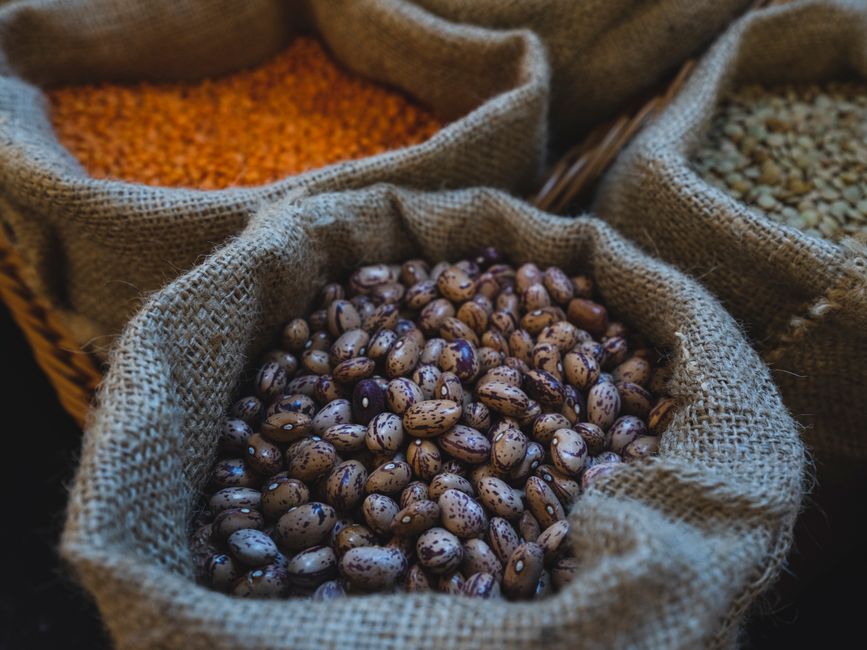
Lentils are one of the most forgiving foods to store, but they are not indestructible. Dry lentils keep for years in a sealed container away from heat and light, cooked lentils stay safe in the refrigerator for about 4 to 5 days, and both cooked and fully prepared lentils freeze well for up to 3 months. The single biggest mistake people make is storing them somewhere warm or damp, which shortens their shelf life fast.
How you store lentils depends on which form you have: dry, cooked, or frozen. Each one has different rules, and getting them right means less waste and better meals. This guide covers all three, plus how to tell when lentils have gone bad.
How Long Do Dry Lentils Last?
Dry lentils last a long time. Stored properly in an airtight container in a cool, dark, dry place, they can keep for years. Many sources put the practical window at 2 to 3 years for best quality, though they remain safe well past that.
The catch is quality, not safety. Older lentils take longer to cook and can turn out mealy or uneven. As they age, they dry out further and their outer skins toughen. A lentil that has sat in a hot pantry for three years may still be safe to eat but will not soften the way a fresh one does.
Whole lentils like brown or green hold up better over time than split varieties like red lentils, which have had their seed coat removed. Split lentils cook faster but fade in quality a little sooner.
Here is a quick reference for how long each form keeps under good conditions:
| Form | Typical storage time | Where to store |
|---|---|---|
| Dry lentils | 2 to 3 years for best quality | Airtight container, cool dark place |
| Cooked lentils | 4 to 5 days | Refrigerator, sealed container |
| Frozen cooked lentils | Up to 3 months | Freezer, airtight freezer bag or container |
These are general food-safety and quality ranges, not hard cutoffs. Use your senses and follow basic food-safety guidance when in doubt.
How Should You Store Dry Lentils?
Dry lentils need three things: airtight, cool, and dark. Get those right and you have done almost everything that matters.
Transfer lentils out of the bag they came in. Bags are not airtight once opened, and they let in moisture and pantry pests. Move them to a glass jar with a tight lid, a food-grade plastic container, or a mylar bag. Glass is a good choice because it blocks light and does not hold odors.
Keep them away from heat. A spot near the stove, above the fridge, or in direct sun is a bad place. Heat speeds up the breakdown of quality. A cool pantry or cabinet works well.
Moisture is the enemy. If lentils take on water, they can spoil or grow mold. Never store them under a leaky pipe or in a damp basement.
One non-obvious point: lentils do not need to be rinsed before storage. In fact, adding moisture by rinsing and then putting them away damp invites spoilage. Rinse them right before you cook, not before you store.
If you buy in bulk, consider dividing a large bag into smaller containers. Every time you open a big container, you let in air and moisture. Smaller containers mean fewer openings.
What about pantry pests?
Dry lentils can attract pantry moths and beetles. A tight lid prevents most problems. If you have had pests before, a bay leaf in the container is a common home remedy, though the evidence that it actually repels insects is limited. The reliable fix is a good seal and a clean, dry shelf.
How Do You Store Cooked Lentils Safely?
Cooked lentils are a different story. Once they are cooked, they are a moist, protein-rich food, and that is exactly the kind of environment bacteria like. The clock starts as soon as they come off the heat.
Cool them promptly. Do not leave a big pot of hot lentils sitting on the stove for hours. Divide them into shallow containers so they cool faster, then move them to the refrigerator. As a general food-safety guideline, perishable cooked foods should not sit at room temperature for more than 2 hours.
Store cooked lentils in a sealed container in the refrigerator. They keep for about 4 to 5 days. This is a widely used food-safety range for cooked legumes and similar cooked foods.
Let them cool to room temperature before sealing a lid on a hot container, but do not wait long. The goal is to get them cold quickly without leaving them out.
A few practical tips:
- Store lentils with their cooking liquid if you cooked them in a broth or sauce. This keeps them from drying out.
- If you cooked plain lentils, a little water or oil in the container helps them stay moist.
- Keep them away from raw meat and other raw foods in the fridge to avoid cross-contamination.
- Label the container with the date so you know when the clock started.
Reheat cooked lentils until they are steaming hot throughout. If they have been in the fridge close to the 4-to-5-day mark, eat them soon rather than pushing it further.





Can You Freeze Lentils?
Yes. Freezing is one of the best ways to store cooked lentils, especially if you cook a big batch and do not want to eat it all within a few days. Frozen cooked lentils keep for up to 3 months.
Freezing does not make lentils unsafe to eat, and it does not kill bacteria, so the food still has to be handled safely before it goes in. Freezing pauses spoilage. It does not undo it.
Here is how to freeze them well:
- Cool cooked lentils in the refrigerator first, not on the counter for a long time.
- Portion them into amounts you will actually use, so you thaw only what you need.
- Use freezer-safe bags or containers and press out as much air as you can.
- Leave a little headspace in rigid containers, because liquid expands as it freezes.
- Label with the date and freeze flat if using bags, so they stack neatly.
You can freeze lentils in their cooking liquid, in a sauce, or in soups and stews. Plain cooked lentils freeze well too, though they can get a bit softer after thawing. That texture change is normal and usually does not matter in soups, curries, or casseroles.
Thaw frozen lentils in the refrigerator overnight, or reheat them directly from frozen in a pot or microwave. If you reheat from frozen, make sure they are hot all the way through.
How Can You Tell If Lentils Have Gone Bad?
For dry lentils, the signs are mostly about quality. If they smell musty or sour, look moldy, or have visible insect activity, throw them out. If they are simply old and cook up tough no matter how long you simmer them, they are past their useful life even if they are not dangerous.
For cooked lentils, the signs matter more for safety. Do not eat them if they:
- Smell sour, off, or fermented
- Look slimy or have a sticky film
- Show any mold
- Have been left out at room temperature for more than 2 hours
- Have been in the fridge longer than about 4 to 5 days
When in doubt, throw it out. This is one place where being cautious costs you a cup of lentils and being careless can cost you a day or two of feeling awful.
Common Lentil Storage Mistakes To Avoid
Most storage problems come down to a handful of habits. Fixing them is simple.
Storing lentils in the original bag after opening is the most common one. Bags are not airtight, and they let in air, moisture, and pests. Move them to a proper container.
Keeping them near heat is another. A spot over the stove or in a sunny window shortens shelf life. Cool and dark is the goal.
Leaving cooked lentils out too long is a safety issue, not just a quality one. Get them into the fridge within about 2 hours.
Freezing lentils in one giant block is a convenience problem. You end up thawing more than you need, and you cannot easily use part of it. Portion before freezing.
Forgetting to label and date containers is a small habit with a big payoff. It removes the guesswork later, especially in the freezer where everything starts to look the same.
One last point worth knowing: dry lentils do not need refrigeration, and putting them in the fridge does not meaningfully extend their life. The cold, dry pantry is the right home for them. Save the fridge space for the cooked ones.
Frequently Asked Questions
How long do cooked lentils last in the fridge?
Cooked lentils keep for about 4 to 5 days in a sealed container in the refrigerator. After that, the risk of spoilage rises and they should be discarded.
Can you freeze cooked lentils?
Yes, cooked lentils freeze well for up to 3 months in airtight freezer containers or bags. Thaw them in the refrigerator or reheat them directly from frozen until hot throughout.
Do dry lentils go bad?
Dry lentils stay safe for years when kept airtight in a cool, dark, dry place, though their cooking quality declines over time. Old lentils often cook up tough or uneven even when they are still safe to eat.
Should you rinse lentils before storing them?
No, rinse lentils right before cooking, not before storing. Adding moisture before storage can promote spoilage and mold.
