
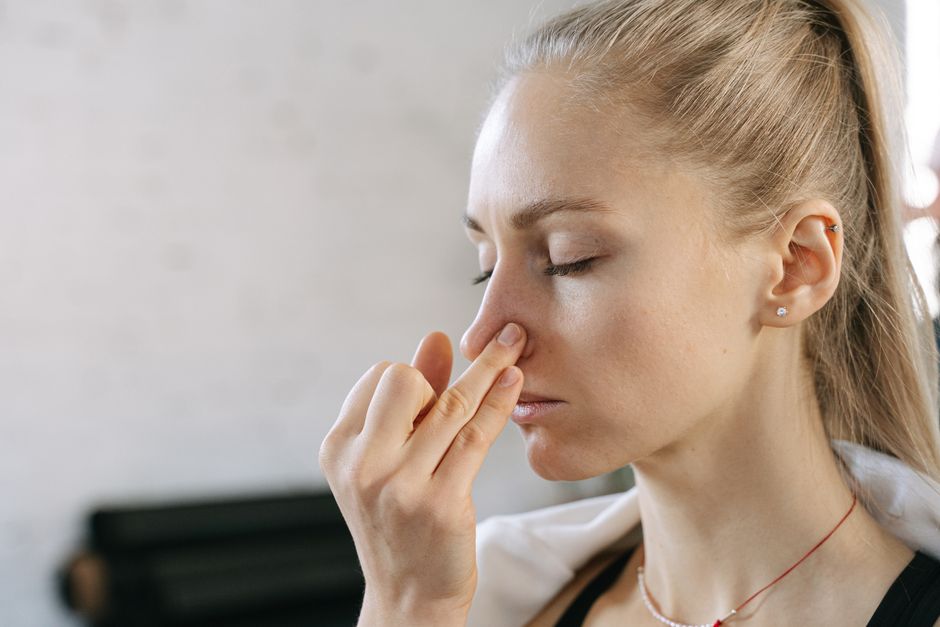
You cannot stop a cold from producing mucus, but you can stop that mucus from pouring out of your nose. The most effective single step is a saline nasal rinse, which flushes irritants and thins mucus so it drains instead of dripping. Decongestant sprays work fast but carry a rebound risk after just a few days of use. Antihistamines help only if allergies are part of the picture. Everything else — steam, fluids, rest — offers modest relief at best.
Why Does A Cold Make Your Nose Run?
A runny nose during a cold is not a sign that your body is failing. It is your immune system working exactly as designed.
When a cold virus infects the lining of your nose, those cells release chemical signals called histamines and prostaglandins. These signals widen blood vessels in the nasal lining and increase blood flow to the area. The result is swelling, warmth, and a surge of fluid production.
That fluid — nasal mucus — serves a purpose. It traps viruses and carries them out of your body. It also contains antibodies and immune cells that fight the infection. A runny nose is literally your body flushing the virus away.
The mucus itself changes over the course of a cold. Early on, it is thin and clear, which is why it runs freely. Later, it often becomes thicker and more colored — yellow or green. That color change comes from immune cells called neutrophils, not from a bacterial infection. Colored mucus alone does not mean you need antibiotics.
How To Stop A Runny Nose From A Cold
No treatment eliminates a cold’s runny nose entirely. What you can do is reduce how much it interferes with your day.
Saline nasal rinses or sprays are the most reliable non-drug option. A rinse uses a saltwater solution to physically flush out mucus and irritants. This thins the mucus and reduces swelling. You can buy premade saline sprays at any pharmacy, or make your own rinse using distilled, sterile, or previously boiled and cooled water. Never use plain tap water in a nasal rinse — it can introduce dangerous organisms. The CDC has documented serious infections linked to tap water nasal rinsing.
Decongestant nasal sprays (oxymetazoline, phenylephrine) shrink swollen nasal tissue within minutes. They are effective but carry a specific risk: using them for more than three days in a row can cause rebound congestion. Your nose becomes dependent on the spray, and congestion gets worse when you stop. This condition is called rhinitis medicamentosa. If you use a decongestant spray, limit it to three days.
Oral decongestants (pseudoephedrine) also reduce nasal swelling, but they affect the whole body. They can raise blood pressure, cause insomnia, and are not recommended for people with certain heart conditions. Phenylephrine, the oral version sold over the counter, has been questioned by FDA advisory panels for limited effectiveness when taken by mouth.
Antihistamines like diphenhydramine or loratadine can dry up a runny nose, but they work best when histamine is the main driver — which is the case in allergies, not typically in colds. First-generation antihistamines cause drowsiness, which some people find helpful at night but disruptive during the day.
Steam and humidity add moisture to the air, which can thin mucus and make it easier to clear. A hot shower or a cool-mist humidifier may help you feel better. The evidence for steam as a cold treatment is weak, but it is low-risk and many people find it soothing.
Rest and fluids support your immune system. There is no evidence that drinking extra fluids shortens a cold, but staying hydrated keeps mucus thinner and helps you feel less miserable. The classic advice to “drink plenty of fluids” is reasonable, not proven.
What Actually Works And What Does Not
Some popular remedies have better evidence than others. This table summarizes what research and clinical experience support.
| Remedy | Likely Benefit | Notes |
|---|---|---|
| Saline rinse | Moderate | Flushes mucus, safe for most people, use sterile water |
| Decongestant spray | Strong (short-term) | Limit to 3 days to avoid rebound congestion |
| Oral decongestant | Moderate | Systemic effects, blood pressure caution |
| Antihistamine | Limited for colds | Better for allergies, may cause drowsiness |
| Steam/humidity | Limited | Low risk, may ease comfort |
| Vitamin C | Not supported for treatment | May slightly reduce duration if taken regularly before illness |
| Zinc | Mixed | Some studies show shorter duration if started within 24 hours; side effects common |
| Echinacea | Not supported | Trials have not shown consistent benefit |
Zinc deserves a closer look. Some studies suggest zinc lozenges or syrup can shorten a cold if started within the first day of symptoms. But results vary widely between studies, and zinc can cause nausea and a metallic taste. The evidence is not strong enough to call it a reliable treatment.
Vitamin C does not prevent or cure colds in the general population. A small number of studies found that people who take vitamin C regularly — like marathon runners — may get slightly shorter colds. For most people, taking it after symptoms start does nothing.





When A Runny Nose Is Not A Cold
Not every runny nose comes from a cold virus. If your nose runs for weeks, or if it runs mainly at certain times of year, something else may be going on.
- Allergies cause clear, watery discharge along with sneezing, itchy eyes, and no fever. Antihistamines work well here.
- Nonallergic rhinitis triggers a runny nose from temperature changes, strong smells, or certain foods. It is not caused by an infection or allergy.
- Sinus infection often follows a cold that seemed to improve, then got worse. Facial pain and pressure are common.
- COVID-19 and flu can both cause a runny nose. Testing is the only way to tell them apart from a cold.
- Cerebrospinal fluid leak is rare but serious. A runny nose that is clear, watery, and constant — especially after head trauma or surgery — needs medical evaluation.
If your runny nose lasts more than 10 days, keeps getting worse, or comes with high fever, severe facial pain, or vision changes, see a doctor.
How Long Does A Runny Nose Last?
A typical cold runny nose lasts about 3 to 7 days. The first few days are usually the worst. Mucus may thicken and change color as the cold progresses, but that does not mean you are getting worse.
Most colds resolve on their own within 7 to 10 days. A cough can linger for two weeks or more, even after other symptoms fade. That is normal and does not usually mean a new infection.
If symptoms last beyond 10 days without improving, or if they improve and then worsen again, that pattern can suggest a sinus infection or another issue. A doctor can assess whether further treatment is needed.
Can You Prevent A Runny Nose From A Cold?
You cannot prevent every cold, but you can reduce your chances of catching one.
Cold viruses spread mainly through droplets from coughs and sneezes, and through hands touching contaminated surfaces and then the face. Handwashing with soap and water for at least 20 seconds is the most effective step. Alcohol-based hand sanitizer works when soap is not available.
Avoid touching your eyes, nose, and mouth with unwashed hands. Stay away from people who are visibly sick when you can. If you are sick, cover your coughs and sneezes and stay home to avoid spreading the virus.
There is no vaccine for the common cold because so many different viruses cause it — more than 200 types. That is also why you can catch colds repeatedly.
Frequently Asked Questions
How do you stop a runny nose fast?
A decongestant nasal spray like oxymetazoline can reduce a runny nose within minutes, but use it for no more than three days to avoid rebound congestion. A saline rinse is slower but safer for longer use.
Does blowing your nose make a cold worse?
Blowing gently does not make a cold worse, but forceful blowing can push mucus into your sinuses and ears, which may cause pressure or ear pain. Blow softly, one nostril at a time.
What is the best medicine for a runny nose from a cold?
There is no single best medicine. Saline rinses are the safest option for most people. Decongestant sprays work fastest but have a three-day limit. Antihistamines help mainly if allergies are also involved.
Should I use tap water for a nasal rinse?
No. Tap water can contain organisms that cause serious infections when introduced into the nose. Use distilled, sterile, or previously boiled and cooled water only.
