
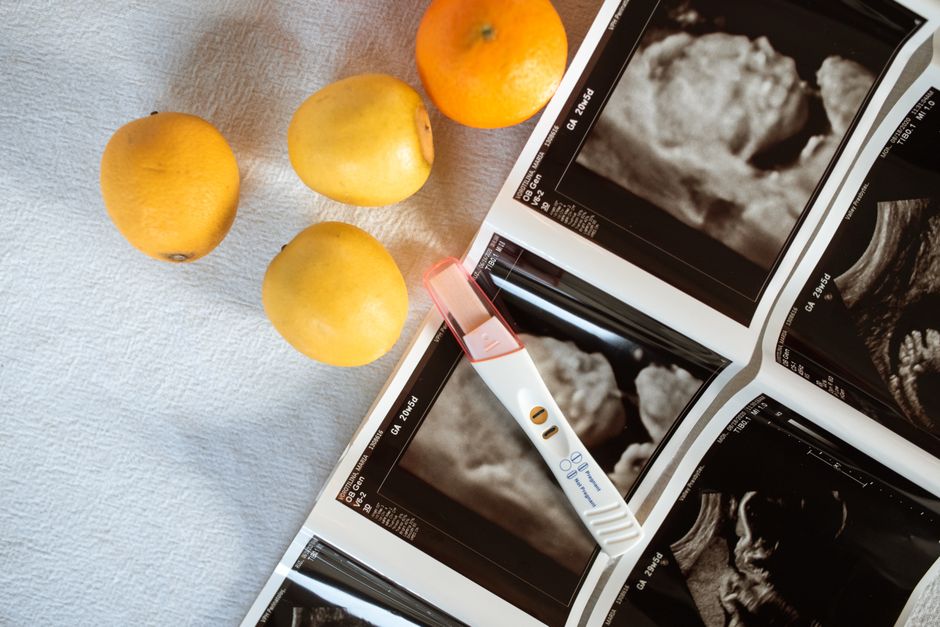
A dollar store pregnancy test can detect hCG just like a $20 test from a pharmacy. The difference is mostly in the packaging, not the chemistry. Both use the same basic technology to detect the hormone human chorionic gonadotropin (hCG) in urine. The FDA regulates them the same way.
Are Dollar Store Pregnancy Tests Accurate?
Yes, when used correctly and at the right time. Budget pregnancy tests detect hCG, the hormone your body produces after a fertilized egg implants in the uterus. The FDA classifies pregnancy tests as Class II medical devices. That means every test sold in the US, whether it costs $1 or $20, must meet the same minimum standards for sensitivity and accuracy before it reaches a shelf.
What you are paying extra for with brand-name tests is convenience, clearer instructions, digital displays, and sometimes earlier detection. You are not paying for a fundamentally different chemical process.
Here is the part most people miss. The biggest reason a pregnancy test gives a wrong answer has nothing to do with the brand. It has to do with timing. Testing too early, before hCG reaches detectable levels, is the most common cause of a false negative.
How Do Pregnancy Tests Actually Work?
All urine pregnancy tests use antibodies that bind to hCG. When hCG is present in your urine, it binds to these antibodies and triggers a visible line, a plus sign, or a digital “pregnant” reading. The technology is called a lateral flow immunoassay, and it has been used for decades.
The chemistry is well understood and reliable. What varies between tests is the sensitivity threshold, which is the lowest concentration of hCG the test can detect. Many home tests, including budget brands, are designed to detect hCG at concentrations around 20 to 25 milli-international units per milliliter (mIU/mL). Some tests claim sensitivity as low as 10 mIU/mL.
Here is a detail worth knowing. A test with a lower sensitivity threshold sounds better, but it only matters if you are testing very early. For most people testing around the time of a missed period, hCG levels are already well above what any standard test can detect.
Do Cheap Pregnancy Tests Detect hCG as Well as Expensive Ones?
For detecting hCG at standard concentrations, yes. The antibody technology inside a dollar store test performs the same function as the antibody technology inside a brand-name test.
Research comparing test brands has generally found that most over-the-counter tests perform similarly when hCG is present at moderate to high levels. Differences tend to show up at very low hCG concentrations, where some tests may detect the hormone earlier than others.
This does not mean all tests are identical. There can be real differences in:
- How easy the test is to read (faint lines versus clear digital results)
- How clearly the instructions are written
- Whether the test comes with a cup for collecting urine
- How quickly results appear
None of these affect whether the test can detect hCG. They affect how easy it is to use correctly.




When Can a Dollar Store Test Give a Wrong Result?
False negatives are far more common than false positives. The main causes are testing too early and not following the instructions.
Testing too early
After a fertilized egg implants in the uterine lining, it takes time for hCG to build up in your urine. Implantation typically happens about 6 to 12 days after ovulation, but this varies. If you test on the day of your missed period or later, most tests will detect hCG if you are pregnant.
If you test several days before your expected period, even a highly sensitive test may not pick up hCG yet. This is true for every brand.
Diluted urine
Drinking a lot of water before testing can dilute the hCG in your urine. Testing first thing in the morning, when urine is most concentrated, improves the chances of detection, especially early on.
Reading the test too late
Most tests have a specific window for reading results, often within a few minutes. A line that appears hours later, sometimes called an evaporation line, is not a positive result. This is a common source of confusion with any test, not just budget ones.
Expired tests
Expired tests may not work correctly. Check the expiration date before using any test, regardless of where you bought it.
What Does the FDA Require for Pregnancy Tests?
The FDA requires all pregnancy tests sold in the US to meet specific performance standards. Manufacturers must show their tests can detect hCG at claimed sensitivity levels and produce accurate results.
This applies to dollar store tests, generic store-brand tests, and name-brand tests equally. A test cannot legally be sold as a pregnancy test in the US without meeting these requirements.
One practical note: buying from a dollar store or discount retailer is not the same as buying from a seller on a marketplace website. Counterfeit or improperly stored tests can show up in third-party online listings. Buying from a physical store shelf avoids this concern.
How Do Dollar Store Tests Compare to Name Brands?
| Feature | Dollar Store Test | Name-Brand Test |
|---|---|---|
| Detects hCG | Yes | Yes |
| FDA regulated | Yes | Yes |
| Typical sensitivity | 20-25 mIU/mL | 10-25 mIU/mL depending on brand |
| Digital display | Rarely | Often available |
| Cost per test | $1-$2 | $8-$20 |
| Instructions clarity | Varies | Often more detailed |
A lower sensitivity number means the test can detect hCG at a lower concentration. But for most people testing at or after a missed period, this difference does not change the result.
Can You Trust a Positive Result From a Dollar Store Test?
A positive result from any pregnancy test is generally reliable. False positives are uncommon. When they do happen, the cause is usually not the test itself but factors like certain medications containing hCG, recent miscarriage, or a rare medical condition.
If a dollar store test shows positive, the result is very likely correct. A healthcare provider can confirm with a blood test, which measures the exact level of hCG and is more sensitive than any urine test.
If the test is negative but you still suspect you are pregnant, wait a few days and test again. If your period remains absent, contact a healthcare provider. A negative urine test does not rule out pregnancy if you tested too early.
Are There Any Real Downsides to Budget Tests?
The main downside is usability, not accuracy. A faint line on a strip test can be hard to interpret. Some dollar store tests use simple dip strips without a plastic casing, which can be messier and easier to misread.
If you are testing early, before a missed period, a test with a lower sensitivity threshold may detect hCG sooner. Some name brands advertise this specifically. But if you can wait until your period is late, a dollar store test should work just as well.
There is also a psychological factor. Spending more on a test can feel like getting a more reliable answer. The evidence does not support that feeling. The test that works is the one used correctly at the right time.
Frequently Asked Questions
Are dollar store pregnancy tests as accurate as name-brand tests?
Yes, when used correctly and at the right time. Both detect hCG using the same basic technology and must meet the same FDA standards.
How early can a dollar store pregnancy test detect pregnancy?
Most tests, including budget ones, can detect hCG around the time of a missed period. Testing several days before your expected period may give a false negative with any brand.
Can a dollar store pregnancy test give a false positive?
False positives are uncommon with any urine test. When they occur, the cause is usually not the test brand but factors like certain medications or a recent miscarriage.
Should I test again if my dollar store test is negative?
If you tested early or your period is still late, wait a few days and test again with first-morning urine. If your period remains absent, see a healthcare provider.
