
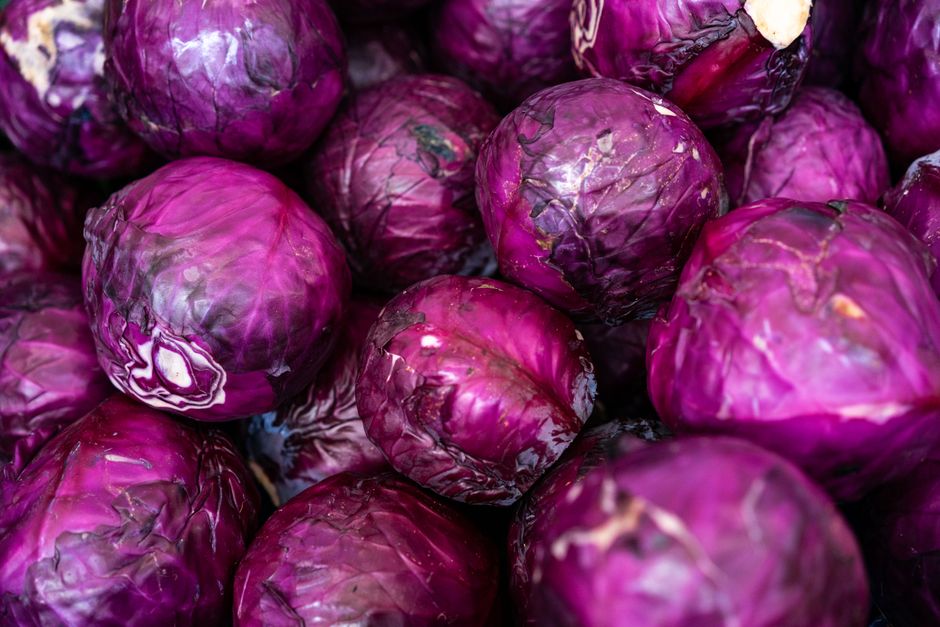
Cabbage can help with constipation, and both raw and cooked forms provide fiber that supports regular bowel movements. The main difference is that raw cabbage delivers more fiber per serving and contains compounds that may cause gas in some people, while cooked cabbage is easier to digest. If you tolerate it well, raw cabbage tends to have a slight edge for constipation relief because cooking reduces fiber content somewhat. But the best choice is the one you will actually eat regularly.
Is Cabbage Good For Constipation Raw Vs Cooked?
Yes, cabbage is a good food for constipation in either form. It provides dietary fiber, which adds bulk to stool and helps it move through the digestive tract.
Raw cabbage retains more of its fiber than cooked cabbage. When you cook cabbage, some fiber breaks down and the vegetable releases water, so a cup of cooked cabbage contains less fiber than a cup of raw. That does not make cooked cabbage useless for constipation. It still contributes fiber and fluid, both of which matter for bowel regularity.
The bigger practical difference is tolerance. Raw cabbage contains raffinose, a type of carbohydrate that humans cannot fully digest. Bacteria in the colon ferment it, which can cause gas, bloating, and cramping in some people. Cooking breaks down some of these compounds, making cooked cabbage gentler on the digestive system.
For someone who tolerates raw vegetables well, raw cabbage may provide a bit more fiber per bite. For someone who gets bloated easily, cooked cabbage may be the more comfortable option that still helps.
How Much Fiber Does Cabbage Have?
According to USDA nutritional data, one cup of raw shredded cabbage contains about 1.5 grams of fiber. One cup of cooked cabbage contains roughly 1.4 grams. That difference is small.
Where cabbage stands out is its water content and volume. Raw cabbage is about 92% water. That combination of fiber and fluid is helpful for softening stool.
To put cabbage fiber in context, here is how it compares to other common vegetables:
| Vegetable (1 cup) | Fiber (grams) |
|---|---|
| Raw shredded cabbage | ~1.5 |
| Cooked cabbage | ~1.4 |
| Cooked broccoli | ~5.1 |
| Cooked Brussels sprouts | ~4.1 |
| Raw carrot | ~3.6 |
| Cooked kale | ~2.6 |
Cabbage is not the highest-fiber vegetable on the plate. It is a moderate source. That matters because relying on cabbage alone to fix constipation may not provide enough fiber if the rest of your diet is low.
Why Does Fiber Help With Constipation?
Fiber helps constipation through two main mechanisms. Insoluble fiber adds bulk to stool, which stimulates the muscles of the colon to push contents through. Soluble fiber absorbs water and forms a gel-like substance that softens stool.
Cabbage contains both types, though it is higher in insoluble fiber. That makes it particularly useful for adding bulk.
There is a catch. Increasing fiber without increasing water intake can make constipation worse, not better. Fiber needs fluid to work. If you add more cabbage to your diet but do not drink enough water, the fiber can form a hard, dry mass that is harder to pass.
This is one of the most common mistakes people make when trying to treat constipation with diet. Fiber and fluids work together. One without the other often backfires.





Does Cooking Cabbage Destroy Its Fiber?
Cooking does not destroy fiber, but it does change it. Heat breaks down some of the plant cell walls, which makes fiber more soluble and easier for the body to ferment. The total fiber content drops slightly because some fiber leaches into the cooking water.
If you boil cabbage and drain the water, you lose some fiber and water-soluble nutrients. Steaming, sautéing, or roasting preserves more. The cooking method matters more than the fact of cooking itself.
For constipation specifically, the difference between raw and cooked cabbage fiber is modest. The bigger factors are how much cabbage you eat, how much water you drink, and what the rest of your diet looks like.
Can Cabbage Cause Bloating or Gas?
Yes. Cabbage is a known gas-producing food. It belongs to the cruciferous family, which also includes broccoli, cauliflower, Brussels sprouts, and kale.
These vegetables contain raffinose and other fermentable carbohydrates. When they reach the colon, gut bacteria break them down and produce gas. For most people this is mild and temporary. For people with irritable bowel syndrome (IBS) or a sensitive gut, it can be significant.
Raw cabbage tends to cause more gas than cooked because the fermentable carbohydrates are more intact. Cooking does not eliminate them entirely, but it reduces their impact for many people.
If you are prone to bloating, start with a small serving of cooked cabbage and see how you respond. Increase gradually over days or weeks rather than adding a large amount at once. The gut adapts to higher fiber intake over time, but that adaptation is not immediate.
Which Is Better for Constipation: Raw or Cooked Cabbage?
Raw cabbage has slightly more fiber per serving and more water content. If you tolerate it without bloating, it may be marginally better for constipation.
Cooked cabbage is easier to digest and less likely to cause gas. If raw cabbage makes you uncomfortable, cooked cabbage still provides fiber and fluid that support bowel regularity.
The honest answer is that the difference between them is small. What matters more is eating cabbage consistently, drinking enough water, and getting fiber from a variety of sources. No single vegetable fixes constipation on its own.
Some people find that a mix works best: cooked cabbage most days, with raw cabbage in slaws or salads when their gut feels settled.
What Else Helps With Constipation Besides Cabbage?
Cabbage is one piece of a larger picture. Other dietary and lifestyle factors matter just as much, if not more.
- Water. Aim for enough fluid that your urine is pale yellow. Fiber without fluid can worsen constipation.
- Other high-fiber foods. Beans, lentils, oats, prunes, apples, and whole grains are well-established for bowel regularity.
- Physical activity. Movement stimulates intestinal muscle activity. Even a daily walk helps.
- Regular meal times. Eating on a consistent schedule supports the gastrocolic reflex, which triggers bowel movements after meals.
- Not ignoring the urge. Delaying when you feel the need to go can make constipation worse over time.
If constipation persists despite dietary changes, it is worth talking to a doctor. Chronic constipation can have causes that diet alone will not fix, including medication side effects, thyroid problems, and other medical conditions.
Some clinicians recommend fiber supplements like psyllium for people who cannot get enough fiber from food. That approach is widely used and generally supported, though individual response varies.
How Should You Add Cabbage to Your Diet?
If you want to use cabbage to help with constipation, start small. A half-cup serving of cooked cabbage is a reasonable starting point. Increase gradually over a week or two.
Drink water with your meals and throughout the day. If you notice bloating, back off slightly and give your gut time to adjust before increasing again.
Raw cabbage works well in slaws, salads, and tacos. Cooked cabbage fits into soups, stir-fries, and roasts. Both count toward your daily fiber intake.
There is no clinical guideline that specifies cabbage as a treatment for constipation. The evidence for fiber in general is strong. The evidence for cabbage specifically is based on its fiber content, not on trials of cabbage as a constipation remedy. That distinction matters. Cabbage is a helpful food, not a proven treatment.
Frequently Asked Questions
Is raw cabbage better than cooked for constipation?
Raw cabbage has slightly more fiber and water per serving, which may give it a small edge. But cooked cabbage still helps and is easier on the gut for many people.
How much cabbage should I eat for constipation?
There is no established dose of cabbage for constipation. A half-cup to one cup daily is a reasonable amount to start with, increased gradually as tolerated.
Can cabbage make constipation worse?
Yes, if you increase fiber without drinking enough water. Fiber needs fluid to soften stool, and adding cabbage without enough water can make stool harder to pass.
Does cooking cabbage remove its fiber?
No, cooking reduces fiber content slightly but does not remove it. Boiling and draining loses more than steaming or sautéing.
