
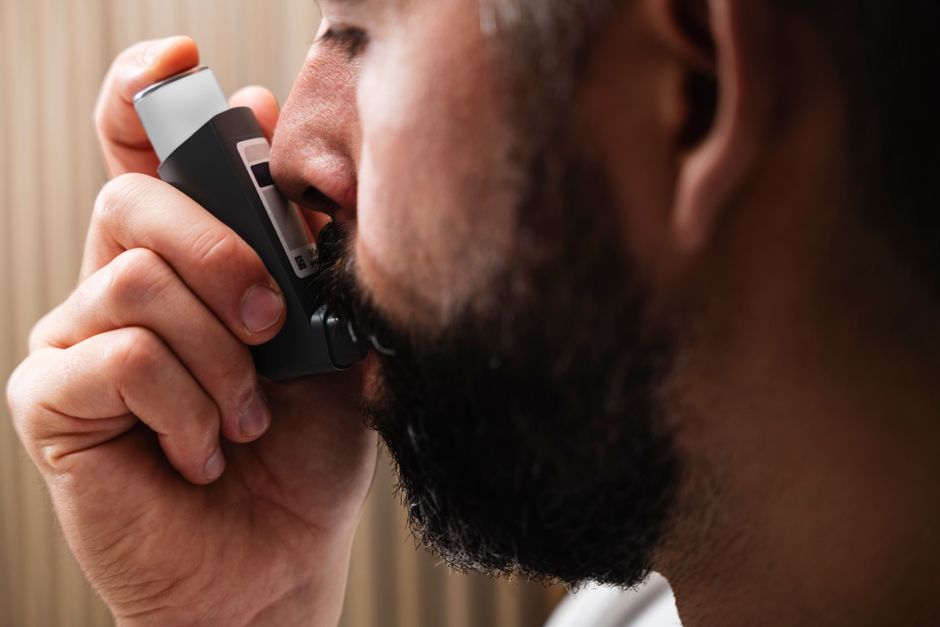
Wheezing at night is a high-pitched whistling sound when you breathe out, and it often means your airways are narrowed. To stop it, you need to address the underlying cause, which is most often asthma, allergies, or acid reflux. Simple steps like sleeping on your side with your head elevated, keeping your bedroom dust-free, and using a humidifier can provide relief, but persistent wheezing requires a doctor’s diagnosis and treatment plan.
What Actually Causes Wheezing at Night?
Wheezing is not a disease itself. It is a symptom. The sound happens when air moves through narrowed or inflamed airways in your lungs. Several things can trigger this narrowing, especially at night.
Asthma is the most common cause. Many people have what doctors call “nocturnal asthma.” Your body’s natural hormone cycles change at night. Cortisol, which helps control inflammation, drops while you sleep. This makes your airways more sensitive and reactive. Research shows that asthma symptoms worsen significantly between 2 a.m. and 4 a.m. for many people.
Allergies are another major trigger. Dust mites live in your mattress, pillows, and bedding. You spend hours breathing them in while you sleep. Pet dander, mold, and pollen can also cause nighttime wheezing if they are in your bedroom.
Gastroesophageal reflux disease (GERD) is a less obvious cause. When you lie flat, stomach acid can flow back into your esophagus and even reach your throat and lungs. This irritates the airways and causes wheezing. Some studies suggest that up to 75% of people with asthma also have GERD, and the reflux can make asthma harder to control.
Other causes include respiratory infections like bronchitis or pneumonia, smoking or exposure to secondhand smoke, and heart failure in older adults. If you have never wheezed before and it starts suddenly, especially with chest tightness or difficulty breathing, seek emergency care immediately.
How To Stop Wheezing at Night: What the Evidence Shows
The first step is always to confirm the cause with a doctor. Self-treating the wrong condition can make things worse. Once you know what is driving the wheezing, you can take targeted steps.
For asthma-related wheezing, the standard treatment is a controller inhaler. These usually contain inhaled corticosteroids that reduce airway inflammation over time. You use them daily, not just when you feel bad. A rescue inhaler, like albuterol, provides quick relief by relaxing the muscles around the airways. Research shows that using a controller inhaler consistently reduces nighttime symptoms by 50% or more in many patients.
For allergy-related wheezing, antihistamines can help. But the most effective approach is reducing your exposure. Encase your mattress and pillows in dust-mite-proof covers. Wash bedding weekly in hot water (130°F or higher kills dust mites). Remove carpets from your bedroom if possible. Keep pets out of the bedroom entirely.
For GERD-related wheezing, the evidence is clear that lifestyle changes work. Do not eat within three hours of bedtime. Elevate the head of your bed by six to eight inches using blocks or a wedge pillow. Sleeping on your left side significantly reduces acid reflux compared to sleeping on your right side or back. Over-the-counter antacids or prescription proton pump inhibitors may also help, but talk to your doctor first.
Current research suggests that a combination approach works best. Treating both asthma and GERD together often resolves nighttime wheezing when either treatment alone fails.
What Sleeping Position Helps Stop Wheezing?
Your sleeping position directly affects your airways and your ability to breathe. Lying flat on your back is often the worst position for wheezing. Gravity allows mucus to pool in your airways and lets stomach acid travel upward more easily.
Sleeping on your left side is generally the best position for wheezing caused by GERD. Studies have found that left-side sleeping significantly reduces acid reflux episodes compared to right-side sleeping or lying on your back. The anatomy of your stomach and esophagus makes this position more effective at keeping acid where it belongs.
Elevating your head and upper body also helps. You do not need a pile of pillows, which can actually kink your neck and make breathing harder. A wedge pillow that keeps your entire upper body at a gentle slope is better. Raising the head of your bed by placing blocks under the bed frame legs is even more stable.
For asthma-related wheezing, some people find that sleeping in a recliner or semi-upright position reduces symptoms. This position takes pressure off your chest and keeps your airways more open. There is no strong clinical evidence that one position is universally best for asthma. The key is finding what reduces your specific symptoms.





What Home Remedies Actually Work for Nighttime Wheezing?
Several home remedies have real evidence behind them. Others are widely shared online but lack proof.
Steam and humidity can help. Dry air irritates airways and makes wheezing worse. A cool-mist humidifier in your bedroom adds moisture to the air. Some people report that sitting in a steamy bathroom for 10-15 minutes before bed helps loosen mucus. The evidence for steam is mixed, but it is low-risk and worth trying if you live in a dry climate.
Breathing exercises have solid research support. The Buteyko method, which focuses on slow, shallow breathing through the nose, has been shown in multiple studies to reduce asthma symptoms and the need for rescue inhalers. Pursed-lip breathing is another technique. Breathe in through your nose for two counts, then breathe out through pursed lips for four counts. This keeps your airways open longer.
Honey is not a cure for wheezing, but it can help if your wheezing is triggered by a cough or postnasal drip. A teaspoon of honey before bed may soothe throat irritation. Do not give honey to children under one year old due to botulism risk.
What does not work? Essential oils like eucalyptus or peppermint are widely claimed to open airways. Strong evidence is limited. In some people, strong scents actually trigger asthma attacks. Similarly, “lung cleansing” teas and herbal supplements are not backed by clinical research. As of 2026, there is no clinical evidence that any over-the-counter “lung detox” product treats wheezing.
When Should You See a Doctor for Wheezing?
Wheezing is not always an emergency, but it should never be ignored if it happens regularly. See a doctor if you wheeze at night more than once a week. You need a proper diagnosis and a treatment plan.
Seek emergency care immediately if:
- You have trouble breathing or feel like you cannot get enough air
- Your lips or fingernails turn blue or gray
- You cannot speak in full sentences without stopping to breathe
- Your rescue inhaler does not help or wears off quickly
- You have chest pain or tightness
- You feel confused or drowsy
For ongoing nighttime wheezing, your doctor will likely do a lung function test called spirometry. This measures how much air you can breathe out and how fast. They may also test for allergies or recommend a pH monitoring study for GERD.
Do not assume that wheezing is “just allergies” or “just a cold.” Chronic nighttime wheezing that is not treated can lead to permanent changes in your airways, a condition called airway remodeling. This makes asthma harder to treat over time.
How To Stop Wheezing at Night Causes Remedies: A Quick Comparison
| Cause | Key Symptoms | Most Effective Remedy |
|---|---|---|
| Nocturnal Asthma | Wheezing, coughing, chest tightness between 2-4 AM | Daily controller inhaler + rescue inhaler as needed |
| Allergies (dust mites, pet dander) | Wheezing with sneezing, stuffy nose, itchy eyes | Allergen-proof bedding, remove triggers, antihistamines |
| GERD (acid reflux) | Wheezing with heartburn, sour taste, cough after eating | Elevate head of bed, no food 3 hours before sleep, left-side sleeping |
| Respiratory infection | Wheezing with fever, cough, mucus | Treat underlying infection; steam and rest for symptoms |
Each cause requires a different approach. Treating asthma with allergy techniques will not help if the real problem is GERD. That is why a proper diagnosis matters more than any single remedy.
What to Avoid When You Have Nighttime Wheezing
Some common habits make nighttime wheezing worse. Avoiding them can be as important as any treatment.
Do not sleep with pets in your bedroom. Even if you are not allergic to your cat or dog, their dander and fur carry dust, pollen, and mold. Keeping your bedroom pet-free is one of the most effective changes you can make.
Avoid heavy meals before bed. Eating within three hours of sleep increases the risk of acid reflux. Spicy, fatty, or acidic foods are the biggest triggers. Alcohol before bed also relaxes the muscle that keeps stomach acid down, making reflux more likely.
Do not use strong-smelling products in your bedroom. Scented candles, air fresheners, fabric softeners, and strong cleaning products release chemicals that can irritate sensitive airways. Stick to unscented, hypoallergenic products.
Stop smoking and avoid secondhand smoke. Smoking is the single worst thing for wheezing and asthma. It damages the cilia that clear mucus from your airways and increases inflammation. Vaping is not a safe alternative. Current research suggests that vaping can also trigger wheezing and lung irritation.
Frequently Asked Questions
Can dehydration cause wheezing at night?
Dehydration can thicken mucus in your airways, making wheezing worse, but it is not a direct cause of wheezing. Drinking water throughout the day may help, but it will not treat an underlying condition like asthma or GERD.
Is it safe to use a humidifier every night for wheezing?
Yes, a cool-mist humidifier is safe to use nightly as long as you clean it regularly to prevent mold and bacteria growth. Dirty humidifiers can actually worsen respiratory symptoms.
Does sleeping with a fan on make wheezing worse?
For some people, yes. A fan can circulate dust, pet dander, and pollen in the room, which can trigger allergies and wheezing. Point the fan away from your face or use an air purifier instead.
Can stress cause nighttime wheezing?
Stress does not directly cause wheezing, but it can trigger asthma attacks in people who already have asthma. Stress also makes you breathe faster and shallower, which can worsen existing respiratory symptoms.
