
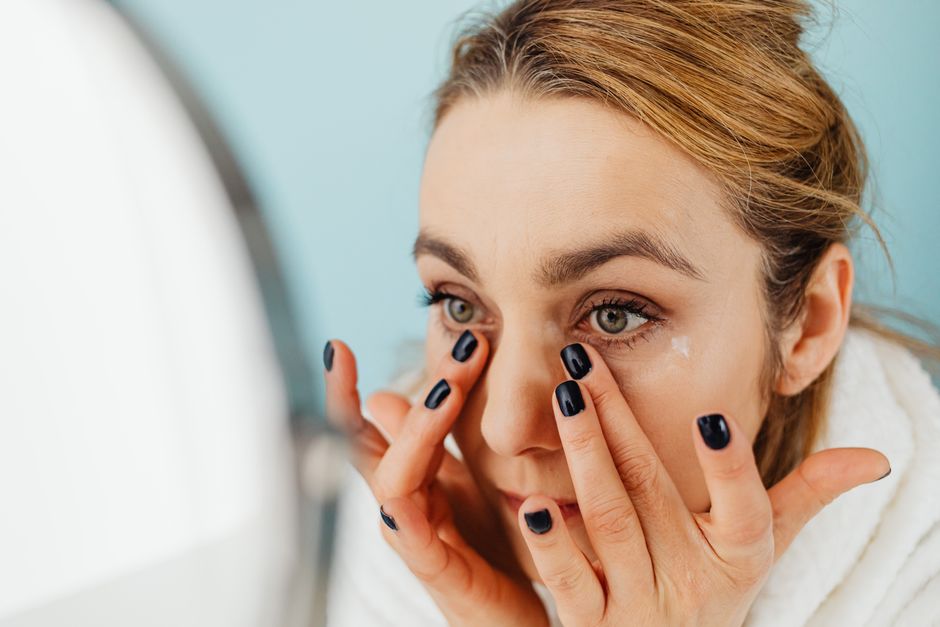
Waking up with puffy eyes is common, but it is not something you have to live with. The fastest way to reduce puffiness is a cold compress applied for 10 minutes, which constricts blood vessels and drains excess fluid. For long-term relief, you need to address the root causes like diet, sleep position, and allergies. This article breaks down what actually causes puffy eyes and which remedies have real evidence behind them.
What Actually Causes Puffy Eyes Under The Skin?
Puffy eyes happen when fluid builds up in the thin skin around your eyes. This area has almost no fat to absorb the fluid, so even a small amount of swelling shows clearly. The medical term is periorbital edema.
The most common cause is simple gravity and poor drainage. When you sleep flat, fluid pools in your face. This is why puffiness is usually worst right after waking up and fades within an hour or two as you stand up and move around. The American Academy of Ophthalmology confirms this is normal and temporary for most people.
Salt intake is another major factor. Sodium makes your body hold onto water. A high-sodium dinner can leave you looking puffy the next morning. Research published in the Journal of Clinical Medicine found that reducing sodium intake significantly lowered facial swelling in participants over a four-week period.
Allergies are a less obvious cause. Histamine release makes blood vessels leaky, which lets fluid escape into surrounding tissue. If your eyes are puffy and itchy, allergies are likely the trigger. Seasonal allergies, dust mites, and pet dander are common culprits.
Aging also plays a role. As skin loses collagen and elastin, it becomes looser. Fluid has more space to settle. Some people also have genetic factors like naturally prominent fat pads under the eyes that look like puffiness but are actually structural.
How To Get Rid Of Puffy Eyes Causes And Remedies: What Actually Works?
Cold therapy is the most reliable short-term fix. A cold spoon, chilled cucumber slices, or a gel mask work the same way: they cool the skin and shrink blood vessels. The key is keeping the compress on for 10 to 15 minutes. Any longer and your body starts increasing blood flow to warm the area back up, which can make swelling worse.
Raising your head while sleeping helps prevent fluid from pooling. Use an extra pillow or elevate the head of your bed by a few inches. This is a simple mechanical fix that the National Sleep Foundation recommends for reducing morning facial puffiness.
Gentle lymphatic drainage massage can move fluid out of the area. Use your ring finger to tap lightly from the inner corner of your eye outward toward your temples. Do this for one to two minutes. The motion should be very light — pressing too hard can damage delicate capillaries.
Hydration matters more than most people realize. When you are dehydrated, your body holds onto water more aggressively. Drinking enough water throughout the day helps flush excess sodium and keeps fluid from settling in your face. Aim for six to eight glasses daily, more if you exercise or live in a dry climate.
Caffeine-based eye creams have some evidence behind them. Caffeine is a vasoconstrictor, meaning it tightens blood vessels. A small study in the Journal of Cosmetic Dermatology found that a caffeine-containing cream reduced under-eye puffiness by 35% after four weeks of daily use. Results are modest but real.
| Remedy | Time to Results | Evidence Level | Best For |
|---|---|---|---|
| Cold compress | 10-15 minutes | Strong | Morning puffiness |
| Elevated sleep | Next morning | Strong | Prevention |
| Lymphatic massage | 1-2 minutes | Moderate | Mild swelling |
| Caffeine eye cream | 4 weeks daily use | Moderate | Chronic puffiness |
| Hydration increase | 1-2 days | Strong | Salt-related puffiness |
| Antihistamines | 30-60 minutes | Strong | Allergy-related puffiness |
What Should You Avoid When Treating Puffy Eyes?
Some popular remedies can make things worse. Raw potato slices are widely shared on social media as a cure, but there is no clinical evidence they work. The starch and water in a potato do nothing that a cold compress cannot do better. You are better off using a clean cloth or gel mask.
Witch hazel is another common recommendation that can backfire. It is an astringent that dries the skin. The skin around your eyes is the thinnest on your body and dries out easily. Using witch hazel can cause irritation, redness, and even more swelling.
Rubbing your eyes aggressively is a bad habit many people have. The pressure breaks tiny blood vessels and inflames the tissue. If your eyes are puffy from allergies, rubbing releases more histamine, creating a cycle of more swelling and more itching. Use a cool washcloth instead.
High-sodium foods before bed are the single biggest dietary contributor to morning puffiness. A single restaurant meal can contain over 2,000 milligrams of sodium — nearly the entire daily limit recommended by the American Heart Association. If you eat out, drink extra water and skip the salt shaker.
Sleeping with makeup on is another overlooked cause. Leftover mascara and eyeliner can clog glands along your lash line, leading to irritation and fluid retention. Always remove eye makeup before bed with a gentle, fragrance-free cleanser.





When Are Puffy Eyes A Sign Of Something Serious?
Most puffy eyes are harmless and temporary. But there are times when swelling signals a deeper problem. If your eyes are puffy along with other symptoms like pain, redness, or vision changes, see a doctor.
Thyroid eye disease is one condition to know about. It happens when the immune system attacks the tissue around your eyes. Early signs include persistent puffiness, a bulging appearance, and dry or gritty eyes. The American Thyroid Association estimates that up to 50% of people with Graves’ disease develop some form of eye involvement.
Kidney problems can also cause facial swelling. When kidneys do not filter waste properly, fluid builds up throughout the body. The face and eyes are often the first place this shows. If your puffiness is accompanied by swelling in your legs or ankles, mention it to your healthcare provider.
Infections like pink eye or a stye cause localized swelling that is usually red and tender. This is different from general puffiness. If only one eye is swollen and it hurts, you likely have an infection that needs treatment.
Severe allergies can cause rapid, dramatic swelling. If your eyes swell shut within minutes of exposure to a trigger, that is a medical emergency. Call 911 or go to the nearest emergency room.
What Does The Research Say About Long-Term Solutions?
For chronic puffy eyes that do not respond to lifestyle changes, medical treatments exist. Dermal fillers are sometimes used to smooth the under-eye area, but they do not fix the fluid problem. Fillers add volume to disguise hollowness — they are not appropriate for puffiness caused by fluid retention.
Blepharoplasty is a surgical option for people with structural fat pads. This procedure removes or repositions excess fat under the eyes. The American Society of Plastic Surgeons reports that over 40,000 blepharoplasty procedures were performed in the United States in 2023. Recovery takes about two weeks. Results are permanent, but the procedure carries standard surgical risks like infection and scarring.
Radiofrequency treatments are a newer non-invasive option. They heat the deeper layers of skin to stimulate collagen production and tighten tissue. A 2022 review in the Journal of Cosmetic and Laser Therapy found that radiofrequency devices reduced under-eye puffiness in 70% of participants after three sessions. Results are not permanent and require maintenance treatments every six to twelve months.
Some studies suggest that vitamin K creams may help with bruising and swelling after surgery, but evidence for everyday puffiness is weak. A 2020 analysis in Dermatologic Surgery concluded that vitamin K does not outperform placebo for general under-eye puffiness. Save your money on this one.
Common Misconceptions About Puffy Eyes
One persistent myth is that drinking water before bed causes puffy eyes. The opposite is true. Being dehydrated makes your body retain fluid more aggressively. A glass of water before bed is fine unless you have a medical condition that requires fluid restriction.
Another misconception is that expensive eye creams work better than simple home remedies. Most eye creams are just moisturizers in small jars. The active ingredients that have evidence — caffeine, peptides, niacinamide — are available in affordable products. Price does not predict effectiveness.
Sleeping on your back is often recommended, but the position matters less than head elevation. Side sleepers can still get puffy eyes if their pillow is flat. The goal is keeping your head above your heart, not a specific sleeping position.
Some people believe that cucumbers are effective because of their nutrients. Cucumbers are 96% water. The cooling effect comes from temperature, not chemistry. A cold spoon works identically. Do not feel bad skipping the grocery trip.
- Cold compress for 10 minutes upon waking
- Sleep with head elevated using an extra pillow
- Reduce sodium intake, especially at dinner
- Stay hydrated throughout the day
- Treat underlying allergies with antihistamines
- Remove eye makeup completely before bed
- Avoid rubbing or pressing on the eye area
- Use caffeine-based eye creams if you want a cosmetic option
- See a doctor if puffiness is one-sided, painful, or accompanied by vision changes
Frequently Asked Questions
How long does it take for puffy eyes to go away?
Mild puffiness from sleep usually fades within one to two hours after waking. Allergy-related or diet-related puffiness can last several hours to a full day.
Can lack of sleep cause puffy eyes?
Yes. Poor sleep disrupts fluid balance and increases inflammation, which can lead to more noticeable puffiness the next morning.
Are tea bags good for puffy eyes?
Cold tea bags work as a compress because of the temperature, not the tea. Caffeine in black or green tea may provide a mild vasoconstricting effect, but the cooling is what reduces swelling.
When should I worry about puffy eyes?
See a doctor if the puffiness is in only one eye, comes with pain or redness, or is accompanied by vision changes, fever, or swelling in other parts of your body.
