
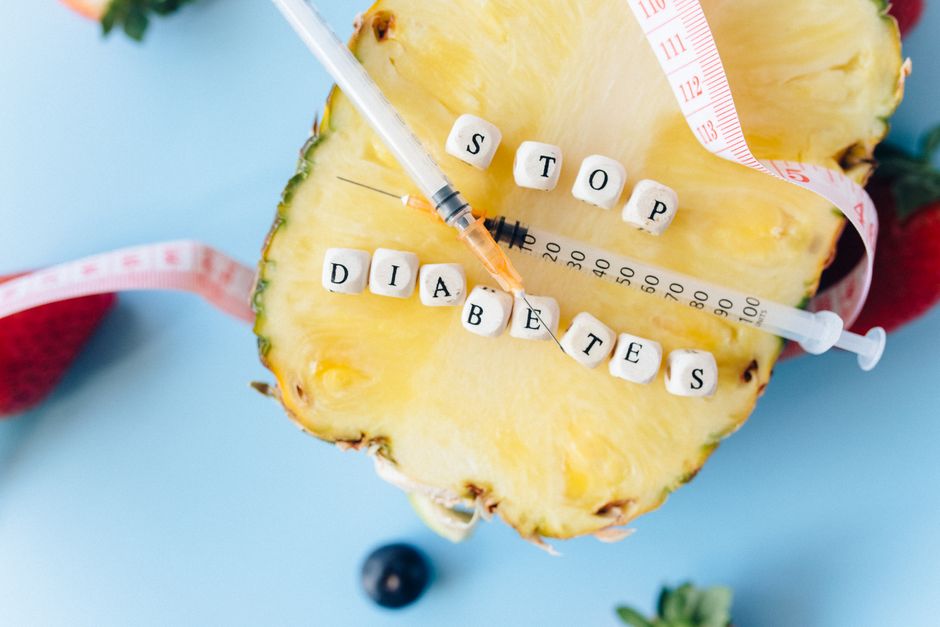
Type 2 diabetes remission means your blood sugar levels return to normal without needing medication. It is not a cure, but it is a real, achievable state for many people. Research from 2021 and beyond shows that significant weight loss is the most reliable way to get there.
What Does “Diabetes Remission” Actually Mean?
Remission is a specific medical term. It does not mean your diabetes is gone forever. It means your A1C (a three-month average of blood sugar) stays below 6.5% for at least three months without taking any glucose-lowering drugs.
This is different from “reversal,” which sounds permanent. Doctors avoid that word because there is no guarantee it lasts. If you regain weight or stop the habits that got you into remission, blood sugar levels can rise again.
The key point is this: remission is about keeping your body’s insulin working properly again. In type 2 diabetes, your cells stop responding to insulin (insulin resistance). Your pancreas works harder to make more insulin, but eventually it cannot keep up. Remission happens when your body no longer needs that extra help.
How Does Weight Loss Lead to Remission?
This is where the evidence gets very clear. The DiRECT trial, published in The Lancet in 2017 and followed up in 2019, showed that losing 15 kilograms (about 33 pounds) led to remission in nearly half of participants. Some people lost more and did even better.
Why does this work? Fat stored in your liver and pancreas directly blocks insulin from working properly. When you lose a significant amount of weight, that fat clears out. Your liver starts responding to insulin again within days. Your pancreas can take a few weeks or months to recover.
Current research suggests the “personal fat threshold” is different for everyone. Some people can reach remission after losing 10% of their body weight. Others need to lose 15% or more. The number on the scale matters less than the change in body fat percentage.
One non-obvious insight: you do not need to reach a “normal” BMI to achieve remission. Many people in the DiRECT trial were still overweight after losing 15 kilograms, but their blood sugar normalized. The fat loss from the liver and pancreas is what counts, not your overall weight.
What Does the Research on Diabetes Remission Show?
The strongest evidence comes from the DiRECT trial, which tested a low-calorie diet (about 800 calories per day for 8-12 weeks) followed by gradual food reintroduction. At two years, 36% of participants were still in remission. Those who lost more weight and kept it off had the best results.
Other studies support similar findings. The Look AHEAD trial showed that intensive lifestyle changes improved blood sugar, but fewer people achieved full remission because the weight loss was more modest. The difference was in the intensity of the intervention.
Bariatric surgery produces the highest remission rates — around 60-80% in the first year. But surgery is not for everyone. It carries risks and requires lifelong nutritional monitoring. The lifestyle route is slower but safer for most people.
As of 2026, no medication has been proven to induce remission on its own. Some GLP-1 drugs like semaglutide help with weight loss, which can lead to remission. But the remission comes from the weight loss, not the drug itself.





What Diet Changes Actually Work for Remission?
There is no single “diabetes remission diet” that works for everyone. But the research points to a few common patterns that help.
Low-calorie diets (800-1200 calories per day) have the best evidence for rapid remission. These are not sustainable long-term, but they can jumpstart the process. You work with a doctor or dietitian because these diets require careful monitoring.
Low-carbohydrate diets also help because they lower blood sugar directly. When you eat fewer carbs, your body needs less insulin. This gives your pancreas a break. Some people see their A1C drop within weeks.
Intermittent fasting is another approach some people use. The evidence is weaker than for calorie restriction, but some studies suggest it helps with insulin sensitivity. The key is consistency — whatever pattern you choose, you need to stick with it.
Here is what the evidence says about specific foods:
- Non-starchy vegetables — eat as many as you want. They fill you up with fiber and have minimal impact on blood sugar.
- Protein from lean sources — chicken, fish, tofu, eggs. Protein helps preserve muscle while you lose fat.
- Healthy fats — olive oil, nuts, avocados. They help with satiety and reduce inflammation.
- Avoid sugary drinks and refined carbs — these spike blood sugar and work against everything you are trying to do.
One thing to be honest about: most people regain weight after very low-calorie diets. The maintenance phase is harder than the weight loss phase. You need a long-term eating plan you can actually follow.
What Role Does Exercise Play in Remission?
Exercise alone does not cause remission. You cannot outrun a bad diet, and the weight loss from exercise is usually modest. But exercise is essential for keeping remission once you achieve it.
Here is what happens when you exercise: your muscles become more sensitive to insulin. They pull glucose out of your blood more efficiently. This effect lasts for 24-48 hours after each workout.
Resistance training (lifting weights) is particularly helpful. Building muscle increases your resting metabolic rate and improves glucose storage. Even if you do not lose more weight, you become better at managing blood sugar.
Walking after meals is a simple, underrated strategy. A 10-15 minute walk after eating lowers post-meal blood sugar significantly. It works by using the glucose from your meal immediately, so your pancreas does not have to work as hard.
The bottom line: exercise supports remission but does not cause it. Focus on weight loss first. Add exercise to maintain the results.
How Do You Know If You Are in Remission?
You need blood tests to confirm remission. Your doctor will check your A1C and fasting blood sugar. You need to be off all diabetes medications for at least three months.
Do not stop your medications on your own. Some people go into remission quickly and then experience dangerously low blood sugar (hypoglycemia) if they keep taking the same doses. Your doctor needs to adjust your meds as you lose weight.
Here is a comparison of what different blood sugar levels mean:
| Condition | A1C Level | Fasting Blood Sugar |
|---|---|---|
| Normal | Below 5.7% | Below 100 mg/dL |
| Prediabetes | 5.7% to 6.4% | 100 to 125 mg/dL |
| Diabetes | 6.5% or higher | 126 mg/dL or higher |
| Remission | Below 6.5% (no meds for 3+ months) | Below 126 mg/dL (no meds) |
Even if you achieve remission, you still need regular checkups. Your risk of complications does not disappear entirely. Your doctor will still want to monitor your eyes, kidneys, and feet.
Common Misconceptions About Diabetes Remission
The biggest myth is that remission means you are “cured.” It does not. If you go back to your old habits, the diabetes will return. Your body still has the genetic tendency toward insulin resistance. You are managing it, not erasing it.
Another myth is that only people with mild diabetes can achieve remission. The DiRECT trial included people who had diabetes for up to six years. Some people with longer duration have also achieved remission, though it becomes harder the longer you have had the condition.
Some people believe that remission requires extreme diets or supplements. There is no evidence that any supplement, herb, or “detox” program induces remission. The only proven path involves significant, sustained weight loss.
One misconception that frustrates researchers: people think they failed if they cannot achieve remission. Not everyone can. Some people have too much pancreatic damage. Others have other health conditions that prevent significant weight loss. Remission is a goal, not a judgment.
Frequently Asked Questions
Can diabetes remission happen without weight loss?
It is very rare. The strongest evidence points to significant weight loss as the primary driver of remission. Some people see minor improvements with exercise or medication changes, but full remission usually requires losing 10-15% of your body weight.
How long does it take to reverse type 2 diabetes?
Some people see blood sugar improvements within days of starting a low-calorie diet. Full remission, confirmed by blood tests off medication, typically takes 8-12 weeks. It can take longer if you lose weight more slowly.
Can you ever eat sugar again after diabetes remission?
Yes, but in moderation. Your body can handle small amounts of sugar if your insulin sensitivity has improved. Large amounts will spike your blood sugar and can push you out of remission. Most people find they need to limit sweets long-term.
What is the success rate of diabetes remission?
In clinical trials with structured weight loss programs, about 46% of participants achieved remission at one year. At two years, about 36% remained in remission. Success rates are higher with bariatric surgery, around 60-80% in the first year.
