
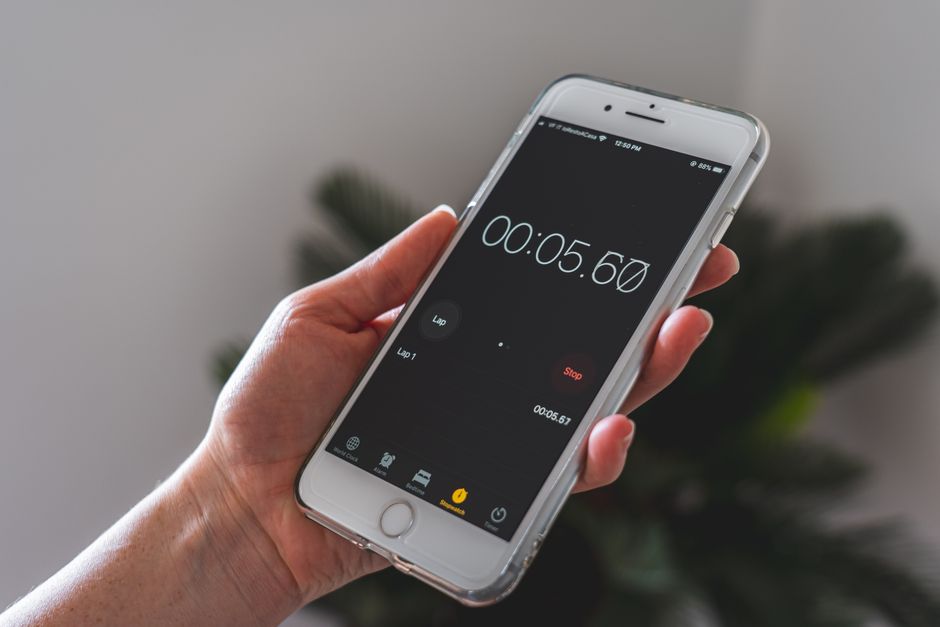
Your phone is one of the most effective sleep-disrupting devices ever invented, and the reason is not just the screen’s glow. To stop using your phone before bed, set a fixed cutoff time, charge the phone outside the bedroom, replace the scrolling habit with a low-stimulation activity, and keep the room dark. Most people need a specific plan rather than willpower alone, because the habit is reinforced by both light exposure and the mental stimulation of feeds and messages.
None of this requires perfection. Even a partial change — moving the phone across the room, or stopping 30 minutes before lights out — tends to reduce the friction between you and sleep. The sections below explain why the phone interferes with sleep and how to build a routine that actually holds up.
Why does your phone keep you awake?
Two separate mechanisms are at work, and they matter for different reasons. One is light. The other is mental arousal.
The light story is well established in its broad strokes. Light entering the eye signals the brain’s master clock, the suprachiasmatic nucleus, about whether it is day or night. Bright light in the evening can suppress melatonin, the hormone that helps cue the body toward sleep, and can shift the timing of your internal clock later. Blue-wavelength light is especially effective at this, though the effect comes from light of many wavelengths at sufficient intensity.
What is often overstated is how much a phone screen alone does this. The light from a phone held at normal viewing distance is far dimmer than daylight or a bright overhead lamp. Some studies suggest that the arousal effect — being engaged, alert, and emotionally stimulated by content — may matter as much as or more than the light. That distinction is useful, because it means the fix is not only about dimming the screen.
The arousal side is straightforward. Feeds, messages, news, and videos are designed to hold attention. They trigger mental engagement, sometimes stress, sometimes excitement. That activation competes directly with the wind-down your brain needs to fall asleep. If you have ever closed your phone feeling wired rather than sleepy, you have experienced this.
How to stop using your phone before bed for better sleep?
The most reliable approach combines a hard cutoff, a physical barrier, and a replacement activity. Willpower alone tends to lose to a device engineered to be picked up.
Set a fixed cutoff time. Pick a time — commonly 30 to 60 minutes before you intend to sleep — and treat it as the point when the phone goes down for the night. A specific clock time works better than “when I feel tired,” because tiredness is exactly when the habit is strongest.
Charge the phone outside the bedroom. This is the single change with the largest effect for many people. If the phone is not within arm’s reach, the automatic reach-and-check loop is broken. An ordinary alarm clock replaces the phone’s alarm function.
Replace the habit, do not just delete it. A habit has a cue, a routine, and a reward. Removing the phone leaves a gap. Fill it with something low-stimulation: a paper book, a magazine, light stretching, a shower, or quiet music. The goal is to give your hands and attention somewhere to go.
Turn on the tools you already have. Most phones offer a scheduled “do not disturb” or “bedtime” mode that silences notifications and can gray out the screen. These reduce the pull of alerts, though they do not remove the phone from the room.
Expect the first few nights to feel mildly uncomfortable. That discomfort is the habit loosening, not a sign the plan is failing.
Does blue light from your phone really damage sleep?
Blue light does affect the sleep system, but the popular version of this claim is exaggerated. The honest position is that light timing matters, and phone light is one contributor among several.
Evening light of sufficient brightness can delay melatonin release and push your body clock later, which makes it harder to fall asleep at your usual time and harder to wake up. This is a real, documented effect. What is less clear is how much a typical phone screen at typical brightness contributes compared to other evening light sources — room lighting, televisions, and tablets often deliver more light to the eye than a phone does.
Blue-light-filtering features and glasses are widely marketed. The evidence on whether they meaningfully improve sleep is mixed. Some studies suggest small benefits in specific groups; others find little difference. They are not harmful, and some people find them helpful, but they should not be treated as a substitute for putting the phone down.
The practical takeaway: dim your environment in the evening and reduce overall light exposure, not just the phone. A dim room with no phone beats a bright room with a filtered phone.





What if you genuinely need your phone at night?
Some people have real reasons to keep a phone nearby — caregiving, on-call work, or health monitoring. The goal then shifts from removal to damage control.
- Keep the phone face down and on silent, with only essential contacts allowed to break through.
- Set the screen to its dimmest comfortable setting and enable night mode if it helps you.
- Do not scroll. Answer what is needed, then put the phone down and stop.
- Keep the phone out of the bed itself, even if it stays in the room.
The distinction matters. A phone used for a specific purpose and then set aside is very different from a phone used to pass time. It is the open-ended scrolling, not the device’s mere presence, that most reliably keeps the mind engaged.
How long does it take to break the habit?
There is no fixed timeline, and anyone who gives you one is guessing. Habit change varies widely between people and depends on how strong the existing routine is and how well the replacement works.
What is reasonable to expect: the first several nights are the hardest, because the cue is still strong and the reward is missing. As the new evening routine repeats, the pull weakens. Some people notice a difference in how quickly they fall asleep within a week or two; others take longer.
If sleep does not improve after several weeks of consistent changes, the phone may not be the main problem. Persistent difficulty falling or staying asleep can have other causes — stress, caffeine, an irregular schedule, or a sleep disorder such as insomnia or sleep apnea. Those are worth discussing with a clinician rather than assuming the phone is the whole story.
What else helps you sleep better?
The phone is one lever among several, and the others often matter more. A consistent sleep and wake time, including weekends, is one of the most strongly supported habits for sleep quality. Caffeine has a long half-life and can still be active in your system many hours after you drink it, so afternoon coffee can quietly sabotage the evening.
Alcohol is commonly used to fall asleep and commonly disrupts sleep later in the night. A cool, dark, quiet room supports sleep for most people. Regular daytime activity and morning light exposure help anchor the body clock so that sleepiness arrives at the right time.
If you fix the phone habit but keep an irregular schedule and late caffeine, do not expect much. The levers work together. The phone is often the easiest one to change first, which is why it is a reasonable place to start — not because it is the most powerful.
Frequently Asked Questions
How long before bed should I stop using my phone?
A common recommendation is to stop 30 to 60 minutes before you intend to sleep. There is no single proven number, so pick a cutoff you can actually keep and adjust from there.
Does putting my phone on do-not-disturb help me sleep?
It helps by reducing interruptions from alerts, but it does not address the mental engagement of scrolling. The bigger change is usually keeping the phone out of reach.
Do blue light glasses actually help sleep?
The evidence is mixed. Some studies suggest small benefits in certain groups, while others find little difference, so they should not replace reducing overall evening light and phone use.
What can I do instead of scrolling before bed?
Choose something low-stimulation that occupies your hands or attention, such as reading a paper book, light stretching, or listening to quiet music. The aim is to give the habit a replacement, not just remove it.
