

You are lying in bed and you cannot breathe through your nose. It is a simple problem that makes sleep feel impossible. The answer to how to breathe better at night with a stuffy nose is not a single trick. It is a combination of changing your sleep position, adding moisture to the air, clearing your nasal passages before bed, and keeping your bedroom cool. These steps work because they address the physical reasons your nose gets blocked at night — gravity, dry air, and inflammation.
Why Does Your Nose Get More Stuffy at Night?
Many people notice their congestion gets worse when they lie down. This is not in your head. When you lie flat, blood flow to your upper body increases. This includes the blood vessels inside your nose. More blood means those vessels swell. Swollen vessels mean a stuffier nose.
Gravity also plays a role. During the day, mucus drains down the back of your throat and you swallow it without noticing. At night, you are horizontal. That drainage slows down. Mucus pools in your nasal passages and sinuses.
Your body’s internal clock, called the circadian rhythm, also affects your nose. Research shows that histamine levels rise at night. Histamine is a chemical that triggers inflammation and mucus production. This natural nighttime rise can make allergies or cold symptoms feel worse after dark.
Dry bedroom air makes everything worse. Many homes have lower humidity in winter or when air conditioning runs. Dry air irritates the delicate lining of your nose. Your body responds by producing more mucus to protect itself. This creates a cycle of irritation and congestion.
What Is the Best Sleeping Position for a Stuffy Nose?
Sleeping flat on your back is the worst position when you are congested. Gravity works against you completely. Mucus and blood pool in your nasal passages.
The best position is sleeping with your head elevated. You want your head to be about 6 to 8 inches above your heart. This uses gravity to reduce blood flow to your nose and help mucus drain out instead of pooling.
Do not just pile up two pillows under your head. That often bends your neck at an uncomfortable angle and can make breathing harder. A better approach is to use a wedge pillow. These are firm foam pillows that slope upward from your shoulders to your head. They keep your entire upper body at a gentle incline.
If you do not have a wedge pillow, you can create a similar incline by placing pillows under the top of your mattress. Slide them between the mattress and box spring near the headboard. This lifts your whole upper body, not just your head.
Sleeping on your side can also help. Side sleeping keeps one nasal passage higher than the other. The higher side often opens up slightly. If you sleep on your side, keep your top arm away from your face. Pressure on your nose from your arm or pillow can compress the airway.
How To Breathe Better At Night With A Stuffy Nose Using Humidity
Dry air is a direct enemy of a clear nose. The ideal indoor humidity for breathing comfort is between 30 and 50 percent. Below that range, your nasal passages dry out and become irritated. Above that range, you risk mold growth.
A humidifier in your bedroom can make a real difference. Cool-mist humidifiers are generally recommended for bedrooms. They are safer around children and pets than warm-mist models. Place the humidifier near your bed but not so close that moisture settles on your bedding or furniture.
Clean your humidifier regularly. The CDC warns that dirty humidifiers can grow bacteria and mold. If you breathe those in, your congestion can get worse. Empty and dry the tank daily. Clean it with vinegar or hydrogen peroxide every few days according to the manufacturer instructions.
A simpler option is steam. Take a hot shower before bed. The steam loosens mucus and soothes irritated nasal passages. Stay in the bathroom for a few minutes after the shower to keep breathing in the moist air. Do not make the water scalding hot — warm steam is effective and safer for your skin.
Some people report that saline nasal sprays help add moisture directly to the nose. These are saltwater sprays available over the counter. They are not the same as medicated decongestant sprays. Saline sprays are safe to use as often as needed. They rinse the nose and add moisture without drugs.
| Method | How It Helps | Key Consideration |
|---|---|---|
| Cool-mist humidifier | Adds moisture to entire room air | Must clean regularly to avoid mold |
| Hot shower steam | Loosens mucus quickly | Do not use scalding water |
| Saline nasal spray | Moistens nasal lining directly | Safe for frequent use |
| Warm towel compress | Soothes sinus pressure | Temporary relief only |




What Nasal Cleaning Techniques Actually Work?
Cleaning your nasal passages before bed can clear out mucus and irritants. The most effective method supported by research is nasal irrigation. This means rinsing your nasal passages with a saltwater solution.
A neti pot or a squeeze bottle works well. The American Academy of Otolaryngology recommends nasal saline irrigation for chronic sinus symptoms. Studies have found it helps thin mucus and flush out allergens and bacteria.
Use distilled, sterile, or boiled-and-cooled water. Tap water is not safe for nasal irrigation. It can contain microorganisms that cause serious infections. The CDC has reported cases of Naegleria fowleri, a brain-eating amoeba, from tap water used in neti pots. The risk is very low but the consequence is devastating. Use safe water every time.
Mix one teaspoon of non-iodized salt with two cups of safe water. Some people add a pinch of baking soda to reduce stinging. Lean over a sink at a 45-degree angle. Gently pour the solution into one nostril. It will flow through your nasal passages and out the other nostril. Breathe through your mouth during the process.
Do this about 30 minutes before bed. This gives your nose time to settle before you lie down. If you do it right before lying down, some solution may drip into your throat.
Saline rinses are not the same as medicated sprays. Decongestant sprays like oxymetazoline (Afrin) work by shrinking blood vessels. They provide fast relief but have a serious downside.
Why You Should Be Careful With Decongestant Sprays
Decongestant sprays work quickly. You spray them in your nose and within minutes you can breathe. This makes them very tempting to use every night.
Here is the problem. If you use decongestant sprays for more than three days in a row, you can develop rebound congestion. This is called rhinitis medicamentosa. Your nose becomes dependent on the spray. When it wears off, your nasal passages swell up worse than before. You need more spray to fix it. This cycle is hard to break.
The FDA warns against using these sprays for longer than three days. Some people find even three days is too long for their body. If you have used a decongestant spray for more than a week, stopping suddenly can cause severe congestion that lasts for days.
How to break the cycle if you are dependent. You can wean off by using the spray in only one nostril at a time. Or you can dilute the spray with saline over several days. A doctor can prescribe a steroid nasal spray that treats inflammation without the rebound effect.
- Do not use decongestant sprays for more than three consecutive days
- Do not share spray bottles with others
- Do not use them if you have high blood pressure without checking with your doctor
- Do consider prescription steroid sprays for long-term congestion
Oral decongestants like pseudoephedrine (Sudafed) can also help. They work on blood vessels throughout your body. But they can raise blood pressure, cause insomnia, and make your heart race. Taking them at night can keep you awake even if your nose clears.
What About Breathing Strips and Nasal Dilators?
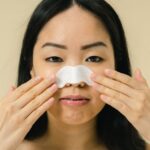
Breathing strips are the adhesive bands you stick across your nose. They work by physically pulling the sides of your nose outward. This opens the nasal valve, which is the narrowest part of your nasal airway.
Research shows they can reduce nasal resistance and improve airflow. A study in the Journal of Clinical Sleep Medicine found that external nasal dilators improved breathing during sleep in people with nasal congestion. They are not a cure. They do not treat the cause of congestion. But they can make it easier to get air through a partially blocked nose.
Nasal dilators come in two types. External strips sit on the outside of your nose. Internal dilators are small tubes or springs that go inside your nostrils. Some people find internal dilators uncomfortable. Others find them more effective than strips.
These devices work best when your congestion is mild to moderate. If your nose is completely blocked from thick mucus or severe swelling, a dilator may not help much. They are a mechanical aid, not a decongestant.
You can buy them at most drugstores. They are drug-free and have no known side effects beyond minor skin irritation from the adhesive on strips. If you have sensitive skin, try a different brand or use the internal type.
Common Misconceptions About Breathing at Night
One widespread myth is that eating spicy food before bed clears your nose. Spicy foods like chili peppers contain capsaicin. Capsaicin can thin mucus temporarily. Some people report that eating spicy food helps them breathe. The problem is that spicy food can also cause acid reflux when you lie down. Acid reflux can irritate your throat and airways, making breathing harder. The trade-off is not worth it for most people.
Another myth is that you should sleep in a very warm room to help congestion. Warm air holds more moisture, which sounds helpful. But warm air also causes blood vessels in your nose to dilate. Dilated vessels mean more congestion. A cool bedroom, around 65 to 68 degrees Fahrenheit, is better for breathing. Cool air helps reduce swelling and promotes deeper sleep.
Some people believe that blowing your nose hard before bed clears everything out. Forceful blowing can actually push mucus back into your sinuses. This can make congestion worse and increase the risk of a sinus infection. Gentle blowing, one nostril at a time, is safer. Or use a saline rinse instead of blowing.
There is also a belief that you can train yourself to breathe through a stuffed nose by sheer effort. This is not how anatomy works. If your nasal passages are swollen shut, no amount of willpower opens them. You need to address the swelling or the mucus, not force your way through it.
Frequently Asked Questions
Can I use Vicks VapoRub on my chest to help me breathe at night?
Vicks VapoRub contains menthol and camphor that create a cooling sensation, making it feel easier to breathe. It does not actually open your nasal passages, but the sensation can help you feel less congested.
Is it safe to use a humidifier every night?
Yes, using a humidifier every night is safe as long as you keep it clean and maintain humidity between 30 and 50 percent. Dirty humidifiers can grow mold and bacteria that worsen congestion.
Will sleeping with more pillows help my stuffy nose?
Extra pillows can help if they elevate your head above your chest, but too many pillows can bend your neck and restrict your airway. A wedge pillow is a better option for keeping your whole upper body elevated.
Does drinking water before bed help with nasal congestion?
Staying hydrated throughout the day helps keep mucus thin, but drinking a large amount of water right before bed can cause nighttime bathroom trips. Focus on hydration during the day instead.
