
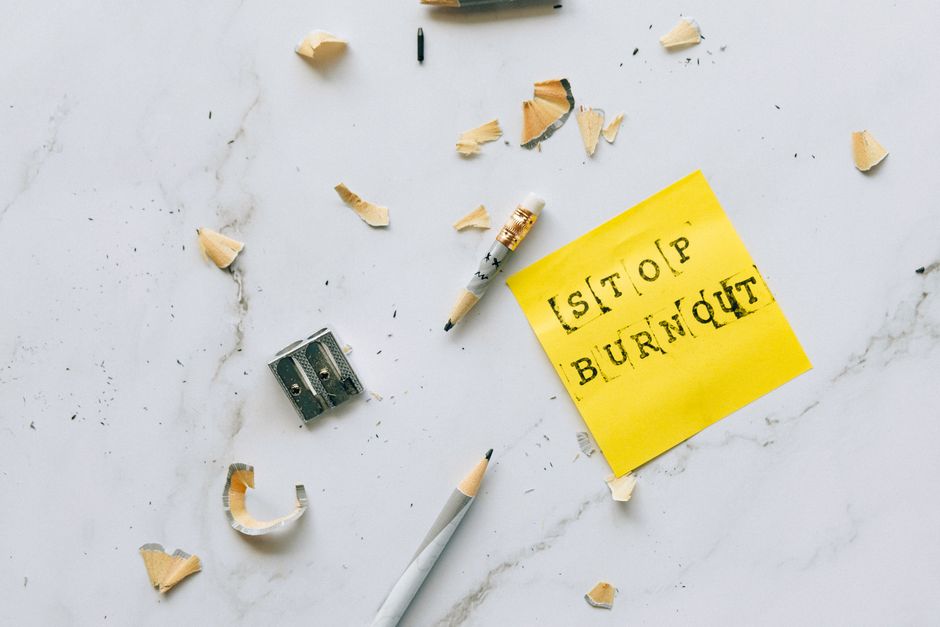
You cannot delete stress from your life, and trying to do so usually backfires. What you can do is change how often your body and mind tip into a full stress response and how quickly you recover afterward. The goal is not zero stress — it is a nervous system that turns on when needed and reliably turns off. That is a skill, and it is built with specific, repeatable behaviors rather than willpower.
This matters because chronic stress is not just a feeling. It changes how your heart, immune system, sleep, and digestion function over time. The good news is that the same biology that makes stress harmful when it never stops is also what makes recovery trainable.
What Actually Happens In Your Body When You Stress?
Stress begins with a real physiological chain, not a character flaw. Your brain detects a demand or threat, and two systems respond: a fast one and a slow one.
The fast system is the sympathetic nervous system. It releases adrenaline within seconds. Your heart rate rises, blood pressure goes up, breathing quickens, and blood shifts toward your muscles. This is the classic fight-or-flight response, and it is designed to be short.
The slower system is the hormonal axis involving the hypothalamus, pituitary gland, and adrenal glands. It releases cortisol, which keeps energy available and helps you meet a challenge. Cortisol is not the villain it is often made out to be. It follows a daily rhythm, peaking in the early morning and dropping at night, and it is essential for normal function.
The problem is not the stress response itself. The problem is a response that turns on constantly and never fully shuts off. When that happens, the body stays in a low-grade alert state. Sleep suffers, blood pressure tends to run higher, digestion changes, and the immune system behaves differently.
One point worth clarifying: the idea that you can “deplete” your adrenal glands through stress and develop a condition called “adrenal fatigue” is not recognized as a medical diagnosis. Some clinicians use the term informally, but no accepted diagnostic criteria or test exist for it. Fatigue, low energy, and feeling run down are real and worth investigating — but they have many possible causes, and a doctor can check for genuine conditions like thyroid problems or anemia.
How To Stop Stressing Over Everything For Good?
You stop stressing over everything by reducing the number of small triggers that set off a full response, and by training your body to return to baseline faster when it does. It is not about caring less. It is about interrupting the loop between a thought and a physical stress reaction.
Much of everyday stress is not a single large event. It is a stream of small ones — a message, a worry about tomorrow, a replayed conversation. Each one can nudge the stress system awake. Over a day, that adds up.
Three levers matter most, and they work together:
- Slow breathing. Deliberately slowing your breath, especially making exhales longer than inhales, activates the parasympathetic nervous system — the “rest and digest” branch. This is a real, measurable reflex, not a placebo.
- Naming the stressor. Writing down what you are actually worried about moves it from a vague, background hum into something specific and bounded. Vague threats keep the alarm on; specific ones can be addressed.
- Recovery time. Building in real pauses — not scrolling, but genuine rest — gives the stress system a chance to reset before the next demand.
None of these removes a difficult job or a hard situation. What they do is lower the total load on the system so it is not running hot all day.
Why Does Slow Breathing Calm The Nervous System?
Slow breathing works because of a direct wiring between your lungs and your heart. This is one of the most reliable, well-established mechanisms in stress physiology.
Your heart rate naturally speeds up slightly when you inhale and slows when you exhale. This is called respiratory sinus arrhythmia, and it is controlled by the vagus nerve. When you lengthen your exhale, you spend more time in the phase where the heart slows. The result is a calmer, more regulated state.
The practical version is simple. Breathe in through your nose for a comfortable count, then out for a longer count. Many people find a roughly four-second inhale and six-second exhale comfortable. There is no single correct number, and no clinical guideline sets one universal pace. The key is that the exhale is longer than the inhale and the breathing is not strained.
A few minutes is enough to notice a shift. This is not a cure for a stressful life, but it is a tool you can use in the moment, and it is one of the few stress techniques with a clear physiological basis.





Does Exercise Really Reduce Stress?
Regular physical activity is one of the better-supported ways to lower stress and improve mood. The evidence here is strong and consistent across many studies.
Exercise does several things at once. It uses up the adrenaline and energy that a stress response mobilizes. It promotes better sleep, which is itself a major stress buffer. And it appears to affect brain chemistry involved in mood regulation, though the exact mechanisms are still being studied.
You do not need intense workouts. General public health guidance recommends adults get at least 150 minutes of moderate activity per week, such as brisk walking, plus muscle-strengthening activity on two or more days. That is a well-established recommendation, not a stress-specific prescription.
The honest caveat: exercise is not a substitute for addressing a genuinely overwhelming situation, and for some people overtraining can add physical stress. Moderate, regular movement is the target, not exhaustion.
What About Sleep And Stress?
Sleep and stress are locked in a two-way relationship. Stress makes sleep harder, and poor sleep makes the stress system more reactive the next day. Breaking that loop is one of the highest-value things you can do.
When you are sleep-deprived, the brain’s emotional centers respond more strongly to challenges, and the calming prefrontal areas exert less control. People reliably feel more irritable and more easily overwhelmed after a bad night. This is not weakness; it is how the sleep-deprived brain behaves.
The basics are well established. Keep a consistent sleep and wake time, including weekends. Keep the bedroom dark and cool. Limit caffeine in the afternoon and evening, since it can stay in the system for hours. Avoid alcohol as a sleep aid — it may make you fall asleep faster but fragments sleep later in the night.
Most adults need seven or more hours of sleep per night, according to widely accepted sleep guidance. If you consistently struggle to sleep despite good habits, that is worth raising with a clinician.
When Should You Get Help For Stress?
Stress that starts to interfere with daily life is a reason to seek help, not a sign of failure. There is a meaningful difference between a stressful week and a stress-related condition that deserves clinical attention.
Consider talking to a doctor or mental health professional if you notice:
- Persistent low mood, hopelessness, or loss of interest in things you used to enjoy
- Sleep problems that last for weeks despite good sleep habits
- Physical symptoms like ongoing chest tightness, frequent headaches, or stomach problems
- Using alcohol or other substances to cope
- Feeling unable to function at work or in relationships
These can be signs of conditions such as anxiety or depression, which are common and treatable. Effective treatments exist, including talk therapies and, for some people, medication. A clinician can help sort out what is happening. This article cannot diagnose anything, and it is not a substitute for professional care.
If you ever have thoughts of harming yourself, that is an emergency. Contact a crisis line or emergency services right away.
What Stress Relief Advice Is Actually Overhyped?
Plenty of popular stress advice does not hold up, and some of it wastes time or money. Being clear about this helps you focus on what works.
Detox products and “adrenal support” supplements marketed for stress have no reliable evidence behind them. The concept of adrenal fatigue is not a recognized diagnosis, and supplements sold to “fix” it are not supported by clinical trials. Some can interact with medications or cause side effects.
The idea that stress is purely a mindset problem is also misleading. Telling someone to “just relax” ignores the real physiology involved. The body’s stress response is not something you can simply decide to switch off, which is why behavioral tools and recovery time matter more than positive thinking alone.
What does have reasonable support is unglamorous: slow breathing, regular movement, protecting sleep, limiting alcohol and excess caffeine, staying connected with other people, and getting professional help when stress is persistent. Social connection in particular is consistently linked with better stress resilience, even though it is hard to package and sell.
Frequently Asked Questions
Can you actually stop stressing over everything for good?
You cannot eliminate stress entirely, and trying to usually makes it worse. What you can do is lower how often your stress response triggers and shorten how long it lasts, using tools like slow breathing, regular exercise, and protected sleep.
How long does it take to calm down after a stressful moment?
The body’s fast stress response, driven by adrenaline, typically settles within minutes once the trigger passes. Slower hormonal effects can linger longer, which is why recovery habits like slow breathing and rest genuinely help.
Is adrenal fatigue a real diagnosis?
No, adrenal fatigue is not a recognized medical diagnosis, and no accepted test exists for it. Fatigue and low energy are real and worth investigating, but a doctor should check for genuine causes like thyroid problems or anemia.
Does deep breathing really reduce stress or is it a placebo?
Slow breathing has a real physiological basis, not just a placebo effect. Lengthening your exhale activates the vagus nerve and slows your heart rate, which shifts your body toward a calmer state.
