
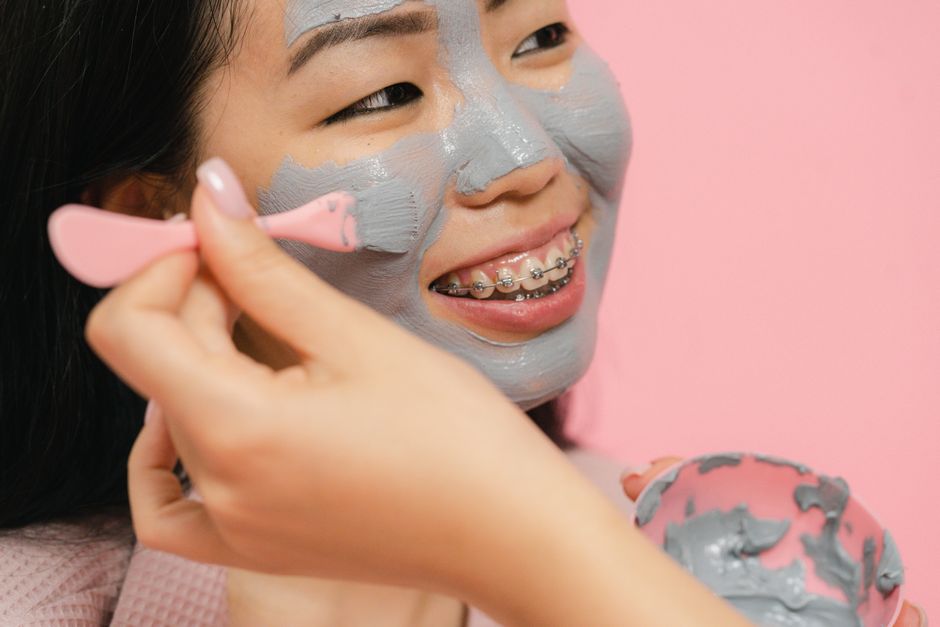
Braces hurt because they put steady pressure on your teeth to move them. That pressure irritates the ligament that holds each tooth in place, causing inflammation and soreness. When you get your braces tightened at the orthodontist, that pressure increases, and the pain typically peaks within 24 hours.
The good news is that the sharpest pain usually fades within 3 to 5 days. The discomfort at school can be managed with a few simple strategies, most of which you can do quietly at your desk. You cannot stop the pain completely, but you can reduce it enough to get through the day.
What Actually Causes Brace Pain During the School Day?
Your teeth do not move in one sudden shift. The wire applies continuous force, and your body responds by breaking down bone on one side of the tooth root and building it up on the other. That process triggers an inflammatory response. Inflammation means swelling, and swelling inside the tight space of your jaw puts pressure on nerves.
During school, the pain can feel worse for a few reasons. You are likely talking more than you would at home. You may have eaten something crunchy at lunch. Or you simply notice it more because you cannot take a break to deal with it.
Another overlooked cause is dehydration. Your mouth needs saliva to stay lubricated. When you are busy and forget to drink water, your mouth dries out. Dry tissues rub against the brackets and wires, which increases irritation and makes existing soreness feel sharper.
How To Make Your Braces Stop Hurting At School: Key Facts
You cannot eliminate the pain entirely, but you can manage it effectively during school hours. The most effective tool is plain ice water. Cold numbs the gum tissue around the brackets and reduces inflammation. Sip it throughout the day rather than chugging it once.
Over-the-counter pain relievers work well when taken at the right time. If you know you have an orthodontist appointment after school, the pain peaks about a day later. Taking ibuprofen or acetaminophen the morning after a tightening can blunt the worst of it. Always follow the dosing instructions on the bottle and check with your parents or doctor first.
Orthodontic wax is your best friend for the school day. If a wire or bracket is poking your cheek or lip, dry the area with a tissue, roll a small piece of wax into a ball, and press it over the sharp spot. One application can last through several classes.
Keep a small “brace kit” in your backpack. A travel toothbrush, wax, and lip balm cover most emergencies. If a wire breaks and is stabbing you, the school nurse can help you place wax on it until you can see your orthodontist.
What Can You Eat at School Without Making It Worse?
Your lunch choices directly affect your pain level for the rest of the afternoon. Hard, crunchy, or chewy foods press against the brackets and push them into your gums. That pressure turns mild soreness into sharp pain.
Safe options include soft sandwiches, yogurt, pasta, mashed potatoes, soup, scrambled eggs, and soft fruits like bananas. Cut food into small pieces before eating. Biting directly into an apple or a sandwich with your front teeth is the fastest way to trigger pain.
Foods to avoid during the first few days after a tightening include nuts, chips, hard candy, popcorn, and raw carrots. These foods do not just cause pain. They can bend wires or pop brackets off entirely, which means an unscheduled trip to the orthodontist.
If you forgot to pack a soft lunch and the cafeteria only has crunchy options, eat slowly and use your back teeth. Your molars tolerate pressure better than your front teeth because they have more root surface area to distribute the force.



Does Cold Water or Ice Really Help With Brace Pain?
Yes. Cold therapy is one of the most effective ways to reduce orthodontic pain, and it is completely safe. The cold constricts blood vessels in the area, which reduces swelling. Less swelling means less pressure on the nerves around your tooth roots.
Ice water is practical for school because you can sip it during class without drawing attention. You can also hold a sip in your mouth for a few seconds before swallowing to let the cold linger on the sore areas.
Avoid chewing on ice cubes. That can damage your brackets or wires. Let the ice melt in your mouth or use cold water only. If you have access to a freezer at school, a cold pack wrapped in a cloth and held against your cheek for 10 minutes can also help during lunch.
There is no limit to how often you can drink cold water during the day. Staying hydrated also keeps your mouth tissues healthy, which reduces friction from the brackets rubbing against your cheeks.
Are There Any Medications That Work Fast for Brace Pain?
Ibuprofen and acetaminophen are the two most common options for orthodontic pain. Ibuprofen works by reducing inflammation directly. Acetaminophen works on pain signals in the brain but does not reduce swelling.
Some research suggests that ibuprofen may slightly slow tooth movement because it blocks the inflammatory response that allows teeth to shift. However, taking it for a day or two after a tightening is unlikely to meaningfully affect your overall treatment time. The evidence on this is not strong enough to say you should avoid ibuprofen entirely.
What matters most is timing. If you take pain medication only after the pain becomes severe, you will wait 30 to 45 minutes for it to take effect. Taking it before the pain peaks gives you better coverage during school hours.
Do not take more than the label recommends. If your pain is severe enough that over-the-counter medication does not help, contact your orthodontist. Severe pain can indicate a broken wire, an infection, or a bracket pressing into your gum tissue.
What Should You Do If a Wire Breaks or Pokes You During Class?
A poking wire is different from general soreness. It is a mechanical problem, not an inflammation problem. Wax can temporarily cover the sharp end, but you will need to see your orthodontist to have the wire clipped or replaced.
If a wire snaps and the broken end is cutting your cheek, rinse your mouth with warm salt water to keep the area clean. Place orthodontic wax over the sharp point. If you do not have wax, a small piece of sugar-free gum can work as a temporary barrier in an emergency, but remove it as soon as you can.
Do not try to cut the wire yourself with scissors or nail clippers. You can easily swallow a piece of wire or damage your brackets further. Call your orthodontist’s office as soon as possible. Most offices keep time open for emergency repairs during school hours.
If a bracket becomes loose but the wire is still attached, leave it alone. A loose bracket that is not causing pain can often wait until your next scheduled appointment. If it is causing pain or cutting your mouth, cover it with wax and call your orthodontist.
How Long Will the Pain Keep Coming Back?
You will feel some level of soreness after every adjustment, not just the first one. Each time your orthodontist changes the wire or adds a new one, the pressure increases and the cycle repeats. The pain level often decreases with each visit because your teeth have already started moving and the surrounding tissue has adapted.
The worst pain is usually after the initial placement of braces. Many people describe that first week as the most uncomfortable. Later adjustments tend to cause milder soreness that lasts for a shorter time.
When your rubber bands are changed or elastics are added, you may feel new pressure in specific areas. This is normal. The soreness follows the same pattern as other adjustments and usually fades within a few days.
If you are experiencing pain that does not improve after a week, or if the pain is severe enough to interfere with sleep or eating, contact your orthodontist. Persistent pain is not a normal part of treatment and should be evaluated.
Frequently Asked Questions
Can I take pain relievers before school for brace pain?
Yes, taking ibuprofen or acetaminophen about 30 minutes before school can help manage pain during class hours. Follow the dosing instructions on the label and check with your parents or doctor first.
Is chewing gum safe with braces?
Most orthodontists recommend avoiding chewing gum because it can stick to brackets and bend wires. Sugar-free gum can be used as a temporary emergency barrier over a poking wire, but it should be removed as soon as possible.
Why do my braces hurt more after eating at school?
Crunchy or hard foods press against the brackets and push them into your gums, which increases pressure on already-sore teeth. Sticking to soft foods and cutting items into small pieces reduces this added discomfort.
How long does brace pain last after a tightening?
Most people feel the worst pain within the first 24 hours, and it gradually improves over 3 to 5 days. If pain lasts longer than a week or becomes severe, contact your orthodontist.
