
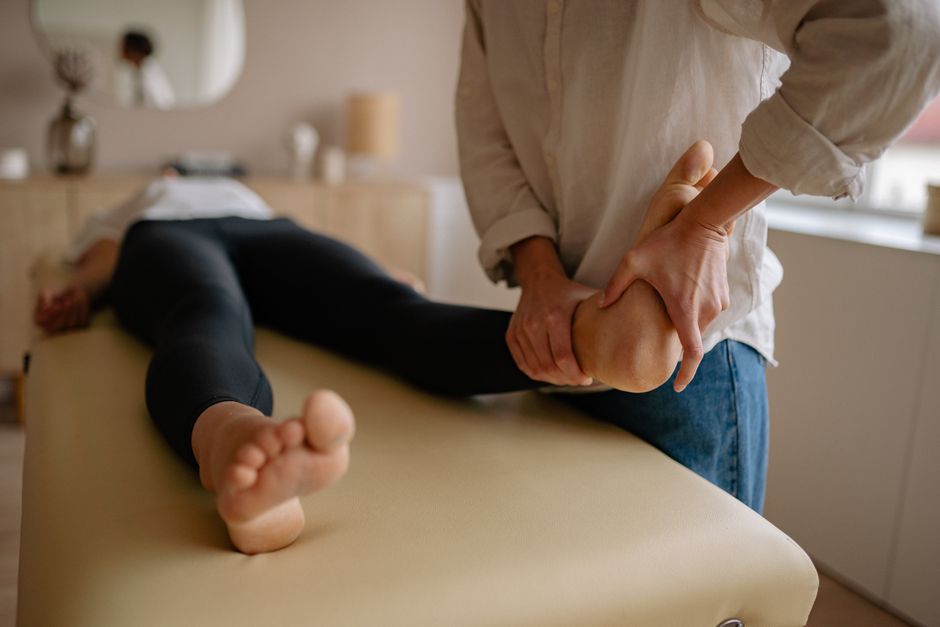
Shooting pain in the buttock is common, and it is usually treatable at home. The pain often comes from a muscle spasm, a pinched nerve in the lower spine, or irritation of the sciatic nerve. Most cases improve within a few days to weeks with gentle movement, targeted stretching, and over-the-counter anti-inflammatory medication.
What Causes Shooting Pains in the Bum?
Shooting pain in the buttock is rarely a problem with the bone itself. The pain usually originates in a muscle, a nerve, or the joints of the lower spine. Identifying the source matters because the treatment differs for each.
The most common cause is sciatica. The sciatic nerve runs from the lower spine, through the buttock, and down the back of the leg. When a disc in the spine presses on the nerve root, you feel pain in the buttock that may shoot down the leg. This often feels like an electric shock.
Another frequent cause is piriformis syndrome. The piriformis is a small muscle deep in the buttock. When it spasms or becomes tight, it can compress the sciatic nerve as it passes beneath the muscle. This produces pain that is often worse when sitting for long periods.
Sacroiliac joint dysfunction can also cause buttock pain. This joint connects the pelvis to the lower spine. Inflammation here produces a dull ache, but sudden movements can trigger sharp, shooting pain.
Less common causes include a herniated disc pressing directly on a nerve, spinal stenosis, or in rare cases, a condition affecting the nerve itself. If the pain follows a fall or injury, or if you have numbness in the groin area or loss of bowel or bladder control, seek medical attention immediately.
How To Stop Shooting Pains In Bum Causes Relief: Immediate Steps
When a shooting pain hits, your first instinct might be to sit still. That is usually the wrong move. Prolonged sitting increases pressure on the structures causing the pain.
Stand up slowly and walk. Gentle movement helps reduce muscle spasm and takes pressure off a compressed nerve. Aim for a slow, comfortable pace for two to three minutes. If walking makes the pain worse, stop and rest.
Apply heat to the area for 15 to 20 minutes. Heat relaxes muscle spasm and increases blood flow. Some people find cold packs more helpful for the first 48 hours after a sudden onset of pain. Both are reasonable options. Use whichever feels better to you.
Over-the-counter nonsteroidal anti-inflammatory drugs (NSAIDs) such as ibuprofen or naproxen can reduce inflammation and relieve pain. Acetaminophen helps with pain but does not reduce inflammation. Follow the dosing instructions on the package and do not take these medications for more than ten days without consulting a doctor.
Avoid sitting on hard surfaces. If you must sit, use a cushion or a rolled towel behind your lower back to maintain the natural curve of your spine. Stand up and move every 30 to 45 minutes.
Stretches That Target Buttock and Sciatic Nerve Pain
Stretching is one of the most effective ways to relieve shooting buttock pain. The goal is to reduce tension in the muscles that may be compressing the nerve.
The knee-to-chest stretch is a safe starting point. Lie on your back with both knees bent. Gently pull one knee toward your chest and hold for 20 to 30 seconds. Lower it slowly and repeat with the other leg. Do this three times on each side.
The figure-four stretch targets the piriformis muscle directly. Lie on your back with both knees bent. Cross your right ankle over your left knee. Clasp your hands behind your left thigh and gently pull it toward your chest. You should feel a stretch in your right buttock. Hold for 20 to 30 seconds, then switch sides.
The seated spinal twist helps if the pain originates in the lower spine. Sit on the floor with both legs extended. Bend your right knee and place your right foot flat on the floor outside your left knee. Twist your torso gently to the right, placing your left elbow on the outside of your right knee. Hold for 20 seconds and repeat on the other side.
Move into each stretch slowly. Stop if you feel sharp pain or numbness. Stretching should produce a mild pulling sensation, not increased shooting pain.





When Sitting Makes the Pain Worse
Sitting is the most common aggravating factor for buttock pain. The position compresses the sciatic nerve and increases pressure on the piriformis muscle.
Your sitting posture matters more than the chair you use. Sit with your feet flat on the floor and your knees at a 90-degree angle. Avoid crossing your legs, which tilts the pelvis and puts uneven pressure on the spine. Place a small lumbar roll behind your lower back to maintain the natural curve.
If you drive for work, adjust your seat so your hips are slightly higher than your knees. This reduces pressure on the buttock muscles. Take a break every hour to stand and walk for a few minutes.
Standing desks can help if you spend most of your day at a computer. Alternate between sitting and standing every 30 to 45 minutes. When standing, keep your weight evenly distributed on both feet rather than shifting your weight to one side.
How Long Does Buttock Pain Last?
Most cases of shooting buttock pain resolve within four to six weeks. The timeline depends on the cause.
Muscle spasms and piriformis syndrome often improve within one to two weeks with stretching and activity modification. Sciatica from a herniated disc typically takes longer. Research shows that most people with sciatica improve significantly within six weeks without surgery.
Pain that lasts longer than six weeks warrants a medical evaluation. Pain that worsens despite home treatment, or pain accompanied by leg weakness, should be evaluated sooner.
Return to normal activity gradually. Avoid heavy lifting, prolonged sitting, and high-impact exercise until the pain subsides. When you resume exercise, start with walking and swimming before progressing to running or weightlifting.
When To See a Doctor for Buttock Pain
Most buttock pain does not require medical attention. But certain symptoms signal a more serious problem that needs evaluation.
Seek medical care if you experience any of the following:
- Numbness or tingling in the groin area
- Loss of bowel or bladder control
- Weakness in one or both legs
- Pain that follows a fall or direct injury
- Pain that wakes you from sleep
- Pain accompanied by fever
- Pain that does not improve after six weeks of home treatment
Loss of bowel or bladder control with leg weakness is a medical emergency. This can indicate cauda equina syndrome, a condition where the nerves at the base of the spine are compressed. This requires immediate surgical evaluation.
For routine buttock pain, a doctor may recommend physical therapy. A physical therapist can assess your posture, strength, and movement patterns to identify the specific cause of your pain. They can also provide a structured exercise program to prevent recurrence.
Can You Prevent Buttock Pain From Returning?
Prevention focuses on the habits that caused the pain in the first place. Most cases of shooting buttock pain stem from prolonged sitting, weak core muscles, or tight hip muscles.
Strengthening your core and gluteal muscles provides better support for your lower spine. Simple exercises like bridges, planks, and bird-dog movements build strength without stressing the back. Aim to do these exercises two to three times per week.
Take movement breaks throughout the day. Set a timer to stand and walk for two minutes every hour. This simple habit reduces the pressure that builds up in the spine and buttock muscles during prolonged sitting.
Pay attention to your posture when lifting objects. Bend at your knees, not your waist. Hold objects close to your body. Avoid twisting while lifting.
Maintaining a healthy weight reduces stress on the spine and joints. Excess abdominal weight pulls the pelvis forward, increasing the curve in the lower back and putting pressure on the structures that cause buttock pain.
What Does Not Work for Buttock Pain?
Several popular treatments for buttock pain lack evidence. Knowing what does not work can save you time and money.
Deep tissue massage directly on the painful spot can worsen piriformis syndrome. The muscle is already irritated. Aggressive pressure increases spasm and inflammation. Gentle massage along the muscle, not directly on it, is safer.
Prolonged bed rest is not recommended. Research consistently shows that staying active speeds recovery from back and nerve pain. Bed rest weakens muscles and increases stiffness.
Foam rolling directly on the piriformis muscle is similarly counterproductive for the same reason as deep massage. If you use a foam roller, target the gluteal muscles and hamstrings instead.
Chiropractic adjustments for acute sciatica have mixed evidence. Some people find relief, but studies show results vary. If you choose this route, ensure the practitioner knows about your specific symptoms before treatment.
Frequently Asked Questions
Why do I get sudden shooting pains in my buttock?
Sudden shooting pain usually comes from a nerve being compressed or irritated, most often the sciatic nerve. A muscle spasm in the piriformis muscle or a disc pressing on a nerve root in the lower spine are the most common triggers.
Is walking good for shooting buttock pain?
Yes, gentle walking often helps by reducing muscle spasm and taking pressure off compressed nerves. Stop if walking makes the pain worse, and rest briefly before trying again.
Can a shooting pain in the buttock be a sign of something serious?
Rarely, but it can be. Seek immediate medical care if you have numbness in the groin, loss of bowel or bladder control, or weakness in your legs, as these can signal a condition requiring urgent treatment.
How long should I try home treatment before seeing a doctor?
Try home treatment with stretching, movement, and anti-inflammatory medication for two weeks. If the pain has not improved after six weeks total, or if it is getting worse, schedule a medical evaluation.
