
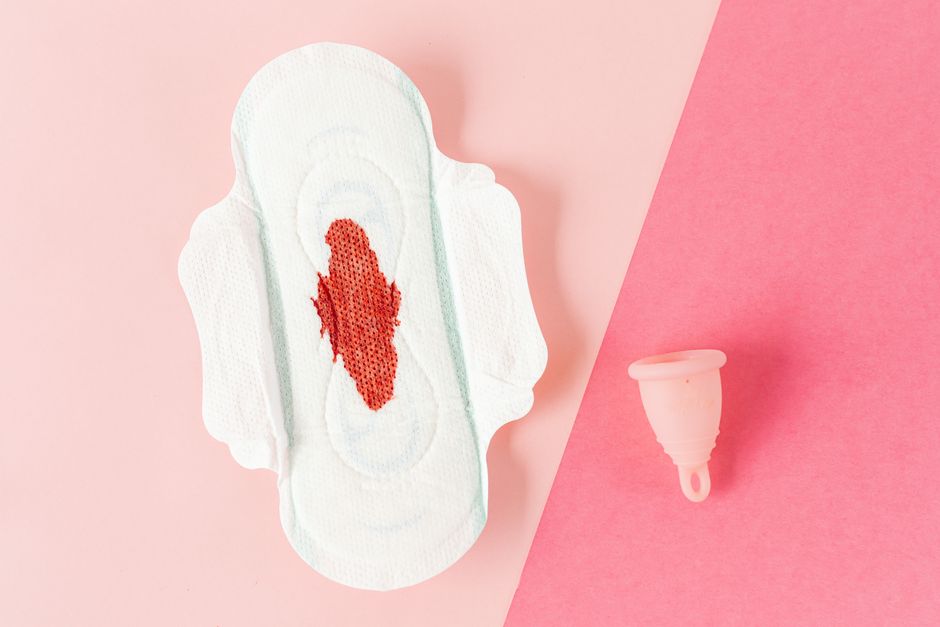
Heavy periods, known medically as menorrhagia, affect many women at some point in their lives. If you want to manage heavy bleeding without using hormonal birth control, several options exist that have clinical evidence behind them. The most well-supported medical treatments are nonsteroidal anti-inflammatory drugs (NSAIDs) and tranexamic acid, which work by different mechanisms to reduce menstrual blood loss. For women who do not want or cannot use hormonal birth control, these medications offer a practical first step, though they are not the only tools available. This article covers what the evidence says about stopping heavy periods without birth control, including medications, procedures, and lifestyle adjustments.
What counts as a heavy period?
Heavy menstrual bleeding is defined as losing more than 80 milliliters (about 5.4 tablespoons) of blood per cycle. In practice, most women do not measure blood loss. Signs that bleeding may be excessive include soaking through a pad or tampon every hour for several hours, passing clots larger than a quarter, bleeding that lasts longer than 7 days, or symptoms of anemia such as fatigue and shortness of breath.
There is no single normal. Periods vary from woman to woman. But if bleeding interferes with daily life or causes physical symptoms, it is worth discussing with a healthcare provider. The underlying cause matters for choosing the right treatment.
What causes heavy periods in the first place?
Heavy bleeding can result from many different conditions. Common causes include uterine fibroids, polyps, adenomyosis, endometriosis, and hormonal imbalances such as those seen in perimenopause or thyroid disorders. Bleeding disorders like von Willebrand disease also cause heavy periods. Sometimes no clear cause is found — this is called dysfunctional uterine bleeding.
Understanding the cause is critical because treatment depends on it. For example, a fibroid that bulges into the uterine cavity may require surgical removal rather than medication. Anovulatory cycles (cycles without ovulation) can be managed with NSAIDs or tranexamic acid without hormones. A pelvic exam, ultrasound, and blood work can help identify the cause.
NSAIDs: Ibuprofen and naproxen for heavy bleeding
Nonsteroidal anti-inflammatory drugs (NSAIDs) like ibuprofen (Advil, Motrin) and naproxen (Aleve) are a first-line treatment for heavy periods. They reduce menstrual blood flow by blocking prostaglandins — chemicals that cause the uterus to contract and shed its lining. Less prostaglandin activity means less bleeding.
Research consistently shows that NSAIDs reduce menstrual blood loss by 20 to 50 percent in women with heavy periods. They also relieve period pain, which is a common companion. For best results, take the medication starting the day before or the first day of your period and continue for the first few days according to the label or your doctor’s instructions.
NSAIDs are not for everyone. They can irritate the stomach, worsen kidney function in those with kidney disease, and increase bleeding risk in people on blood thinners. If you have asthma, stomach ulcers, or high blood pressure, check with a doctor before using them regularly.




Tranexamic acid: A non-hormonal prescription option
Tranexamic acid (brand name Lysteda in the US, Cyklokapron elsewhere) is a prescription medication that helps blood clots stay in place. It does not affect hormones. Instead, it stops the breakdown of blood clots at the site of the uterine lining, which reduces overall blood loss.
Clinical trials show that tranexamic acid reduces menstrual blood flow by 30 to 60 percent. Many women see results within the first cycle. The typical dose is one or two tablets taken three times daily for up to 5 days during the period, starting on the first day of heavy bleeding.
It is generally well tolerated. Side effects can include nausea, diarrhea, and headache. Tranexamic acid is not recommended for women with a history of blood clots or stroke. Because it works on the clotting system, anyone with clotting disorders or taking anticoagulants should avoid it unless specifically directed by a hematologist.
How to stop heavy periods without birth control? Key facts about iron and anemia
Heavy periods often lead to iron deficiency anemia. Replacing iron is not a treatment for the bleeding itself, but it is essential for managing the consequences. Iron supplements can restore energy, improve concentration, and reduce fatigue. Ferrous sulfate, ferrous gluconate, and ferrous fumarate are common forms.
Taking vitamin C (ascorbic acid) alongside iron can improve absorption. Eating iron-rich foods like red meat, spinach, and beans can help, but food sources alone rarely correct significant anemia caused by heavy bleeding. A blood test for ferritin (stored iron) and hemoglobin can tell you whether supplementation is needed.
There is limited evidence that specific dietary changes reduce menstrual bleeding. Some older studies suggest that foods high in vitamin K (leafy greens) or bioflavonoids (berries, citrus) might reduce bleeding, but these claims lack robust support from large trials. Do not rely on diet alone to stop heavy periods.
Surgical and procedural options
When medications do not work or are not appropriate, several procedures can reduce or eliminate heavy bleeding. These are more invasive but do not involve hormones.
- Endometrial ablation — This procedure destroys the uterine lining using heat, radiofrequency, or freezing. It is effective for many women, with 80 to 90 percent reporting significantly lighter periods. However, it is not reversible and is only for women who no longer want to become pregnant. Pregnancy after ablation is dangerous.
- Myomectomy — Surgical removal of fibroids. This can be done through different techniques (hysteroscopic, laparoscopic, or open). It preserves fertility in many cases.
- Hysterectomy — Removal of the uterus. It is the only definitive cure for heavy periods, but it is major surgery with significant recovery time. It ends fertility permanently. It is not a first-line treatment.
- Uterine artery embolization — A radiologist injects tiny particles into the blood vessels feeding fibroids. It shrinks them and reduces bleeding. It is not hormonal.
Each of these options carries risks including infection, bleeding, and in rare cases injury to nearby organs. Discuss them thoroughly with a gynecologist.
Lifestyle and complementary approaches: What the evidence shows
Many women try natural or lifestyle changes to manage heavy periods. Some evidence supports certain approaches, but none are as reliably effective as medication or procedures.
Adequate sleep and stress management — Chronic stress can disrupt the hypothalamic-pituitary-ovarian axis, which may worsen hormonal imbalances that contribute to heavy bleeding. Improving sleep and reducing stress are sensible for overall health but are not proven treatments for menorrhagia.
Exercise — Regular physical activity can improve circulation and hormone regulation, but no studies confirm it directly reduces menstrual blood volume. It may help with cramps and mood.
Herbal supplements — Some herbs like ginger, cinnamon, and turmeric are sometimes promoted for period problems. A small randomized trial found that ginger capsules taken during menstruation reduced blood loss compared to placebo. However, evidence is limited and more studies are needed. Other herbs like shepherd’s purse, yarrow, or rose geranium lack quality human trials. Do not assume herbal supplements are safe — they can interact with medications and are not regulated by the FDA for purity or dosage.
Acupuncture and traditional Chinese medicine — Some small studies suggest acupuncture may help with heavy periods, but the evidence is weak and inconsistent. The same applies to Chinese herbal formulas. No large, well-designed trials have confirmed their effectiveness.
When to see a doctor
Heavy periods are common, but they are not something you have to simply endure. See a healthcare provider if any of the following occur:
- You soak through a pad or tampon every hour for more than a few hours
- Your period lasts more than 7 days
- You pass clots larger than a quarter
- You feel dizzy, weak, or short of breath during or after your period
- Your bleeding interferes with work, school, or social activities
A primary care doctor or gynecologist can run tests to determine the cause and discuss treatment options tailored to your situation. Never delay seeking medical attention for very heavy bleeding — if you are soaking through more than one pad or tampon an hour for several hours straight, go to an emergency room.
Important caveat: When “without birth control” includes hormonal IUDs
The question “how to stop heavy periods without birth control” usually means avoiding hormonal methods like the pill, patch, ring, or hormonal IUD. However, it is worth noting that the levonorgestrel-releasing intrauterine device (LNG-IUD), such as Mirena or Liletta, is approved for heavy menstrual bleeding and is extremely effective — it reduces blood loss by 70 to 90 percent over time. But it is a form of birth control and releases a progestin hormone. If your goal is strictly no hormones, the LNG-IUD does not qualify. Yet some women who cannot take estrogen for medical reasons may still consider it as a treatment option separate from contraception. Discuss this nuance with your doctor.
Frequently Asked Questions
Can ibuprofen stop heavy periods?
Ibuprofen can reduce heavy menstrual bleeding by 20 to 50 percent when taken at full doses during the first few days of your period. It works by lowering prostaglandins, which are chemicals that cause heavy flow.
Is tranexamic acid safe for heavy periods?
Tranexamic acid is generally safe for most women when used for short periods, but it is not recommended if you have a history of blood clots or stroke. A doctor must prescribe it and can evaluate your risk.
What natural remedies actually work for heavy periods?
Ginger has some limited evidence from a small study showing reduced menstrual blood loss. Other natural remedies lack strong research. No dietary supplement has been proven to stop heavy periods as effectively as medication.
When should I worry about heavy menstrual bleeding?
See a doctor if you soak through a pad or tampon every hour for several hours, bleed for more than 7 days, pass large clots, or feel faint. Emergency care is needed for very heavy bleeding that does not slow down.
