
Excessive foot sweat can be uncomfortable, embarrassing, and even lead to foot health problems. The most effective approach uses a combination of strong antiperspirants, moisture-wicking socks, breathable shoes, and, when necessary, medical treatments prescribed by a doctor. Keeping your feet dry starts with the right daily habits and products, not just one solution.
What causes excessive foot sweating?
Sweaty feet are normal. The soles of your feet have more sweat glands per square inch than most other parts of your body. Some people naturally produce more sweat due to genetics, hormones, or stress. When sweating becomes excessive without an apparent cause, it is called primary plantar hyperhidrosis.
Secondary causes include certain medications, medical conditions such as hyperthyroidism or diabetes, and infections. If you suddenly develop heavy foot sweating, especially if it wakes you at night or is accompanied by weight loss or fever, see a doctor to rule out an underlying condition.
How To Stop Foot Sweat And Keep Your Feet Dry with antiperspirants
Many people do not realize that antiperspirants work on feet just as they do on underarms. Standard over-the-counter antiperspirants containing aluminum chloride are the first step. Apply them to clean, completely dry feet before bed. This allows the active ingredients to absorb into the sweat ducts overnight.
For stubborn cases, your doctor can prescribe a stronger antiperspirant with aluminum chloride hexahydrate. This is considered a first-line treatment for plantar hyperhidrosis. Some studies show that nightly application for several weeks can reduce foot sweating by up to 50% or more. Mild skin irritation is common, so start with a low concentration and apply sparingly.
Choosing the right socks and shoes
Synthetic socks made of acrylic, polyester, or blends wick moisture away from the skin faster than cotton or wool. Cotton absorbs moisture and holds it against your foot, making the problem worse. Change your socks at least twice a day, or more often if they become damp.
Shoes matter as much as socks. Leather and canvas allow your feet to breathe better than synthetic materials like vinyl or rubber. Rotate your shoes so each pair has at least 24 hours to dry out completely. Avoid wearing the same pair two days in a row. Use moisture-absorbing insoles and replace them every few months.



Medical treatments for severe foot sweating
If antiperspirants and footwear changes are not enough, several medical treatments have strong evidence behind them.
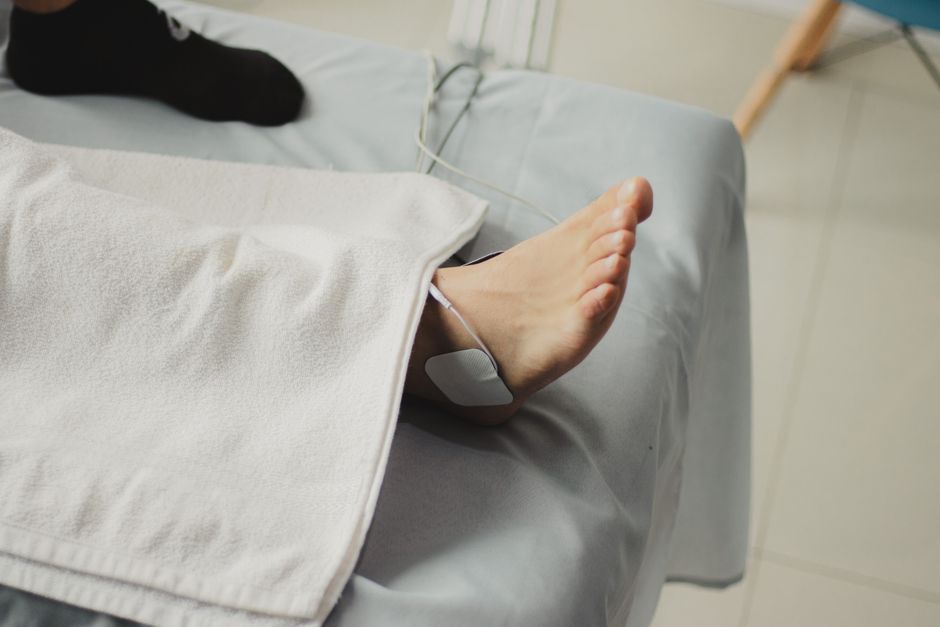
Iontophoresis uses a mild electrical current passed through water to temporarily block sweat glands. You sit with your feet in shallow water while a device delivers a low-level current. Sessions last about 20 minutes, repeated several times a week. The effect builds over weeks. Many people see a significant reduction. Iontophoresis is considered safe and effective, though it requires consistent commitment.
Botulinum toxin injections (Botox) block the nerve signals that trigger sweating. While FDA-approved for underarm sweating, it is used off-label for feet. The procedure involves many small injections across the soles. Pain is a drawback for some people. The effect lasts 6 to 12 months. Multiple clinical trials confirm efficacy, but cost and discomfort limit its use as a first option.
Oral medications such as anticholinergics (e.g., glycopyrrolate) can reduce whole-body sweating. They are sometimes prescribed for hyperhidrosis. Side effects like dry mouth, blurred vision, and urinary retention are common. These are not a long-term solution for most people and are typically used only when other treatments fail.
Home remedies and lifestyle changes: What the evidence says
Many popular home remedies lack strong clinical evidence. Some people find temporary relief from certain practices, but they are not substitutes for proven treatments.
Epsom salt soaks or vinegar foot baths are widely mentioned online. No large human trials confirm that these reduce sweating. They may temporarily affect skin pH or bacteria, but any effect on sweat production is likely minimal and short-lived.
Talcum powder or cornstarch absorbs surface moisture and reduces friction. They can make feet feel drier for a short time, but they do not stop sweating. They may also cake and irritate skin when applied too heavily.
Dietary changes like reducing caffeine or spicy foods may help some individuals, but the evidence is anecdotal. Caffeine is a known stimulant that can increase sweat output in some people. If you notice a pattern, it is reasonable to limit those triggers.
When to see a doctor for sweaty feet
You should make an appointment if foot sweating interferes with daily activities, causes skin maceration or infections, or if you develop a strong odor that does not improve with hygiene. A dermatologist can diagnose hyperhidrosis and recommend prescription treatments.
Also see a doctor if foot sweating is accompanied by other symptoms like unintended weight loss, fever, night sweats, or general fatigue. These can signal an underlying medical condition that needs attention.
Frequently Asked Questions
Is there a permanent cure for sweaty feet?
There is no permanent cure, but several treatments can provide long-lasting control. Prescription antiperspirants, iontophoresis, and Botox injections each offer months to years of relief, especially when used consistently.
Can I use underarm antiperspirant on my feet?
Yes, standard over-the-counter antiperspirants are safe for use on feet. Apply a pea-sized amount to your soles at bedtime. Choose a product with at least 15% aluminum chloride for best results.
Does Botox for sweaty feet hurt?
The soles of the feet are sensitive, and injections can be painful. Doctors may use nerve blocks or topical numbing cream to reduce discomfort. The procedure is brief, and the pain is typically well tolerated for most people.
Will powders like Gold Bond stop foot sweat?
Powders absorb moisture temporarily but do not stop sweat production. They can help keep feet feeling dry between washes but should not be relied on as a primary treatment for moderate to severe hyperhidrosis.
