
Shin pain usually comes from doing too much, too soon — and the fastest way to calm it down is to back off the activity that triggered it while keeping some gentle movement going. Ice, relative rest, and a gradual return to training handle most early cases. The bigger challenge is the second half of the question: keeping it from coming back. That takes fixing the training error, the footwear, or the strength gap that caused it in the first place.
Most shin pain in active adults falls into a category doctors call medial tibial stress syndrome, better known as shin splints. It sits on a spectrum that runs from irritated tissue along the shinbone to an actual stress fracture, and those two problems need very different responses. Knowing roughly where you are on that spectrum shapes everything else.
What Is Actually Causing the Pain in Your Shin?
The shinbone — the tibia — is the large bone you can feel running down the front of your lower leg. Two structures near it cause most of the trouble.
On the inner edge of the tibia, a layer of connective tissue called the periosteum wraps the bone. Repetitive pulling from the muscles and fascia attached there irritates that layer. This is the classic shin splint pattern, and the pain tends to spread over a broad area rather than sitting at one pinpoint spot.
On the outer side of the shin, a separate condition called chronic exertional compartment syndrome can develop. Muscles swell inside a tight sheath of fascia during exercise, pressure builds, and the leg aches or goes numb. The telltale pattern is pain that starts at a predictable time after you begin and eases within minutes of stopping.
A stress fracture of the tibia is the more serious possibility. It produces pain that is sharply localized — you can often cover it with two fingers — and it may ache at rest or at night, not just during activity.
These three conditions can look similar at first. If the pain is pinpoint, worsens over weeks, or persists when you are off your feet, that pattern deserves a medical evaluation rather than self-treatment.
How To Stop Shin Pain Fast And Keep It From Returning
For typical shin splints, the early response is straightforward: reduce the load, manage the symptoms, and rebuild gradually.
Relative rest means cutting back rather than stopping completely. Swapping running for swimming or cycling keeps your fitness while removing the repetitive impact that irritates the shin. Complete rest is rarely necessary for shin splints and can leave you deconditioned when you return.
Ice applied for short periods can ease pain in the first days. The evidence for icing speeding tissue healing is genuinely limited, but it is a reasonable comfort measure and low risk.
Pain relief with over-the-counter options is a personal decision. Some clinicians suggest caution with certain anti-inflammatory drugs during bone healing, though the human evidence on this is not settled. If you suspect a stress fracture, ask a clinician before relying on medication to push through.
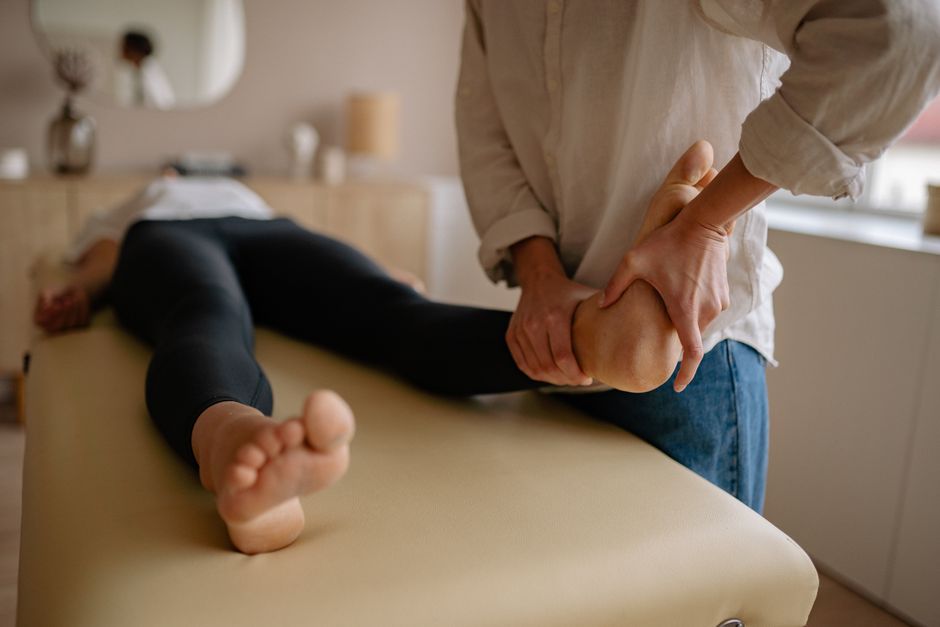
What does not have strong support: aggressive massage directly over the painful bone, heat in the acute phase, or continuing to train through pain that worsens as you go. Those approaches tend to delay recovery rather than speed it.
The timeline matters. Simple shin splints often settle within a few weeks when load is managed. Stress fractures take considerably longer — commonly several weeks to a few months — and returning to impact too early risks a repeat injury at the same site.
Why Does Shin Pain Keep Coming Back?
Recurrence almost always traces back to an unresolved cause. The pain fades, training resumes at the old volume, and the same tissue gets overloaded again.
The most common drivers:
- Too much, too soon. A jump in weekly distance, speed work, or hill running that outpaces what the tissue has adapted to.
- Hard surfaces and worn shoes. Shoes that have lost their cushioning change how force travels up the leg.
- Weak calf and foot muscles. These muscles absorb and control impact. When they tire early, more load reaches the bone.
- Sudden changes in surface or terrain. Moving from treadmill to road, or adding cambered paths, alters the stress pattern.
- Low bone density or nutrition gaps. In some people, especially those with irregular menstrual cycles or low energy intake, bone resilience is reduced.
One point worth separating from the marketing noise: arch supports and orthotics are widely sold for shin pain, but the research on whether they prevent recurrence is mixed. Some people report benefit. The evidence does not support them as a universal fix.




Which Exercises Help Shin Pain Heal and Stay Away?
Strengthening the calf and foot is the most reliable way to reduce recurrence risk. The calf complex — the gastrocnemius and soleus — controls how quickly your leg accepts load with each step. Stronger, more fatigue-resistant calf muscles mean less stress transferred to the tibia.
Heel raises are the foundation. Start with both legs, rise onto the balls of your feet, and lower slowly. Progress to single-leg raises as tolerated. Slow, controlled repetitions build more than fast bouncing ones.
Calf stretching helps if your ankle is stiff, particularly a straight-knee stretch for the gastrocnemius and a bent-knee stretch for the soleus.
Foot intrinsic work — small movements that strengthen the muscles inside the foot — supports the arch and improves how force moves through your stride. Toe spreads and short-foot drills are common examples.
Balance and single-leg control training helps the whole lower leg manage uneven ground.
Start these gently. If a movement reproduces the sharp, localized pain of a possible stress fracture, stop and get it assessed.
When Should You See a Doctor About Shin Pain?
Most shin splints improve with load management. Some signs point to something that needs a professional look.
- Pain that is pinpoint and reproducible when you press one small spot
- Pain at rest, at night, or when you are not exercising
- Swelling, redness, or warmth in the shin
- Numbness, tingling, or a heavy, tight feeling in the leg during exercise
- Pain that keeps worsening despite weeks of reduced activity
- A history of stress fractures or a known bone condition
A clinician may use imaging to distinguish shin splints from a stress fracture. Plain X-rays often miss early stress fractures, so other imaging is sometimes needed. This is where self-diagnosis gets risky — treating a stress fracture as shin splints and pushing through can turn a small crack into a larger problem.
How Do You Return to Running Without a Relapse?
Come back by feel and by rule, not by calendar alone. A common approach is a graded return: start with short, easy sessions on soft surfaces and increase volume slowly. A frequently cited guideline is to keep weekly increases modest, on the order of about 10 percent, though this specific number is more coaching convention than proven science.
Pain is your guide. Mild discomfort that eases as you warm up and does not linger afterward is generally acceptable. Pain that worsens during the run, or that is still there the next morning, means you moved too fast.
Keep the strengthening going even after you feel better. The muscles that protect your shin need consistent work, not a one-time fix. Many people drop the exercises as soon as the pain leaves, then wonder why it returns.
Reassess your shoes, your training surface, and your weekly mileage jump. The injury is usually a signal that something in the plan changed faster than your body could adapt.
Frequently Asked Questions
How long does shin pain usually take to go away?
Simple shin splints often ease within a few weeks with load management, while a tibia stress fracture can take several weeks to a few months to heal. The timeline depends heavily on which structure is involved and how early you reduce the load.
Can I keep running with shin splints?
Many people can continue with reduced volume and intensity if the pain is mild and does not worsen. Sharp, pinpoint, or worsening pain means stop and get it checked, since that pattern can signal a stress fracture.
Do compression sleeves or orthotics stop shin pain from returning?
Compression sleeves may ease symptoms during activity, but they do not address the underlying cause. The evidence on orthotics preventing recurrence is mixed, so they are best viewed as one possible tool rather than a reliable fix.
What is the single best way to prevent shin pain from coming back?
Progressive training plus consistent calf and foot strengthening is the most reliable combination. Increasing mileage slowly and replacing worn shoes supports the same goal.
