
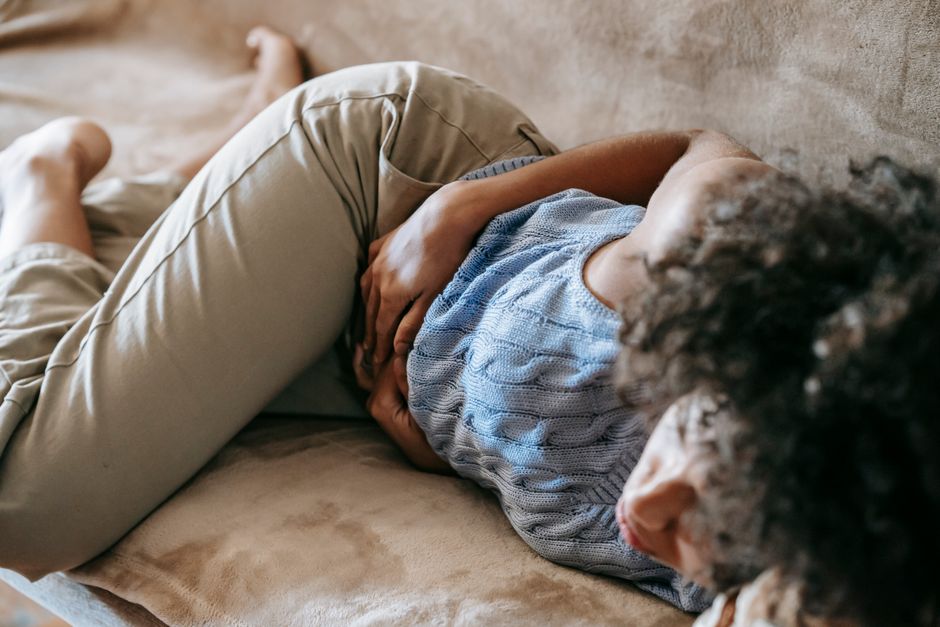
Holding your pee for too long can cause real pain, and it can linger even after you finally go. The fastest relief starts with emptying your bladder completely, then using warmth and gentle movement to relax the muscles. Most bladder pain from holding urine eases within a few hours, but if the pain is sharp, comes with fever, or doesn’t improve after you urinate, you need medical attention because a urinary tract infection may be developing.
Why Does Holding Pee Cause Pain?
The bladder is a muscular sac designed to stretch and hold urine. When it fills, nerve signals tell your brain it’s time to go. If you ignore those signals, the bladder muscle keeps stretching. That stretch is what you feel as pressure and discomfort.
Over time, holding urine can make the pelvic floor muscles tense up. These muscles support the bladder, and when they stay clenched for long periods, they can spasm. A muscle spasm in the pelvic floor feels like a cramp or a deep ache in the lower belly or groin.
There is also a bacterial risk. Urine is not completely sterile, but it is usually dilute enough that bacteria don’t multiply quickly. When urine sits in the bladder for hours, bacteria have more time to grow. This is why holding pee is a known risk factor for urinary tract infections, or UTIs. An infection changes the pain from a dull ache to a burning, urgent sensation.
How To Relieve Bladder Pain From Holding Pee Right Now
If you are in pain right now, start with these steps in order.
1. Urinate completely. Sit down, lean slightly forward, and take your time. Do not push or strain. Pushing can make pelvic floor spasms worse. Let the urine flow naturally. If you can, wait a few seconds after you finish and try again — this double-voiding technique helps empty the bladder fully.
2. Apply heat. A heating pad on your lower belly or between your legs can relax the bladder muscle and pelvic floor. Use low or medium heat for 15 to 20 minutes. Do not fall asleep with a heating pad on. A warm bath works well too, as long as you are not bleeding or experiencing severe pain.
3. Drink water. You might think drinking more will make it worse, but it actually helps. Water dilutes your urine, which reduces irritation to the bladder lining. It also keeps urine flowing, which flushes out bacteria before they can multiply. Aim for a few glasses over the next hour, not a gallon at once.
4. Take an over-the-counter pain reliever. Ibuprofen or acetaminophen can reduce both pain and inflammation. Follow the dosing instructions on the label. If you have kidney disease, liver disease, or take blood thinners, check with a pharmacist first.
5. Try gentle movement. Walk slowly around the room. Stretch your legs and hips. Avoid intense exercise, jumping, or heavy lifting, which can aggravate a tense pelvic floor.
When Bladder Pain Does Not Go Away
If the pain fades within an hour or two after urinating, you are likely fine. The bladder muscle simply needed to relax. But if pain persists for more than a few hours, or if it gets worse, something else may be going on.
Common complications from holding urine include:
- Urinary tract infection. Burning during urination, cloudy or strong-smelling urine, and frequent urges to go are classic signs.
- Pelvic floor dysfunction. Chronically tense pelvic muscles can cause ongoing pain even when the bladder is empty.
- Bladder distension. In rare cases, the bladder stretches so much that it loses tone and cannot empty fully. This is more common in older adults but can happen at any age.
- Kidney infection. If a UTI travels up the ureters to the kidneys, you may develop fever, back pain, and nausea. This is a medical emergency.
You should see a doctor or go to urgent care if you have any of these symptoms along with bladder pain: fever over 100.4°F, chills, pain in your lower back or sides, blood in your urine, or vomiting. These can indicate a kidney infection, which requires antibiotics.




What Not To Do When Your Bladder Hurts
Some common advice for bladder pain is wrong, and following it can make things worse.
Do not drink cranberry juice to treat existing pain. Cranberry has some evidence for preventing UTIs in certain populations, but it does not treat an active infection and will not relax a tense bladder muscle. If you have a UTI, you need antibiotics, not juice.
Do not take a hot bath if you have a fever. Heat can raise your core temperature further and make you feel worse. Use a heating pad on a low setting instead.
Do not “push through” the pain and hold your urine longer. This is the worst thing you can do. It increases pressure on the bladder wall and gives bacteria more time to grow.
Do not drink alcohol or caffeine. Both are bladder irritants. They increase urine production and can make the burning or cramping worse. Stick to water until the pain resolves.
How To Prevent Bladder Pain From Holding Pee
Prevention is straightforward: urinate when your body tells you to. That sounds simple, but many people ignore the signal regularly because they are busy, driving, in a meeting, or sleeping.
Most adults need to urinate every 3 to 4 hours during the day. If you consistently go longer than that, you are training your bladder to hold more, which may feel convenient but increases your risk of UTIs and pelvic floor tension.
If you wake up at night and need to go, go. Holding urine overnight is one of the most common ways people develop UTIs, especially women. The bladder fills during sleep, and if you stay asleep for 8 hours, that urine sits for a long time.
For people with jobs that make bathroom breaks hard — teachers, nurses, truck drivers — schedule bathroom breaks on your breaks. Do not wait until you feel an urgent need. A scheduled stop every 3 hours prevents the bladder from overfilling.
Strengthening your pelvic floor with Kegel exercises can also help. Strong pelvic floor muscles support the bladder and make it easier to empty completely. But do not do Kegels while you are in active pain. Wait until the pain resolves.
Can Holding Pee Cause Long-Term Damage?
Occasional holding — like during a long movie or a road trip — will not cause permanent damage. The bladder is designed to stretch and return to its normal shape.
Chronic holding, meaning you do it daily for months or years, is different. Over time, the bladder muscle can become thickened and less elastic. This condition, called detrusor hypertrophy, makes it harder for the bladder to empty completely. Incomplete emptying leaves residual urine, which is a breeding ground for bacteria.
There is also a link between chronic urine retention and urinary retention, a condition where the bladder cannot empty at all. This is rare but serious. It requires catheterization and sometimes surgery. Most people who develop urinary retention have other contributing factors like prostate enlargement or neurological conditions, but chronic holding can be a contributing factor.
For most healthy adults, the practical takeaway is this: holding occasionally is uncomfortable but not dangerous. Holding regularly is a habit worth breaking.
When To See a Doctor for Bladder Pain
You do not need to see a doctor every time you hold your pee and feel discomfort. Mild pain that resolves after urinating and drinking water is normal.
You should see a doctor within 24 hours if you have:
- Pain that lasts more than a day
- Burning when you urinate that does not go away
- Urine that is cloudy, dark, or has a strong odor
- Frequent urination with small amounts each time
- A feeling that your bladder is not empty after you go
These symptoms suggest a urinary tract infection. A simple urine test can confirm it, and a short course of antibiotics will clear it. Untreated UTIs can spread to the kidneys, which is much more serious and requires stronger treatment.
If you have recurrent bladder pain from holding urine — meaning it happens several times a month — ask your doctor about pelvic floor physical therapy. A physical therapist can teach you relaxation techniques for the pelvic floor and help you retrain your bladder habits. This is a well-established treatment for pelvic floor dysfunction and has strong evidence behind it.
Frequently Asked Questions
How long does bladder pain last after holding pee?
Mild bladder pain usually fades within 1 to 2 hours after you urinate and drink water. If pain lasts more than 24 hours or gets worse, it may be a urinary tract infection and needs medical evaluation.
Can holding your pee cause a urinary tract infection?
Yes. When urine stays in the bladder for hours, bacteria have more time to multiply, which increases the risk of a UTI. This is especially true for women, who have shorter urethras than men.
Is it safe to take pain relievers for bladder pain?
Ibuprofen and acetaminophen are generally safe for occasional bladder pain when taken as directed. If you have kidney or liver disease, or take blood thinners, ask a pharmacist before taking anything.
What does a bladder spasm feel like?
A bladder spasm feels like a sudden cramp or squeezing sensation in the lower belly or pelvic area. It can come and go and may be triggered by trying to urinate or by holding urine for a long time.
