
A hole in your tooth — a cavity — can cause intense, throbbing pain that disrupts your entire day. The fastest way to stop this pain is to see a dentist for professional treatment, as only a filling or root canal can remove the source of the problem. While you wait for your appointment, you can manage the pain at home with over-the-counter pain relievers, cold compresses, and by keeping the area clean and free of food debris.
What Causes the Pain From a Hole in Your Tooth?
A cavity is a bacterial infection that has eaten through the hard outer layer of your tooth, called enamel. Once the decay reaches the softer dentin layer, you may feel sensitivity to sweet, hot, or cold foods. When the cavity reaches the inner pulp — the chamber containing nerves and blood vessels — the pain becomes severe and persistent.
This deep pain is often a sign of pulpitis, which is inflammation of the dental pulp. The inflammation increases pressure inside the tooth, which cannot expand. That pressure causes the sharp, throbbing pain you feel. The pain may worsen when you lie down because blood flow to your head increases, raising the pressure in your tooth.
How To Stop Hole In Tooth Pain Fast Relief: Immediate Steps
Several at-home methods can provide temporary relief before you see a dentist. These do not treat the cavity itself, but they can make you more comfortable.
Over-the-counter pain relievers. Medications like ibuprofen (Advil, Motrin) or acetaminophen (Tylenol) are the most reliable options for dental pain. Ibuprofen is an anti-inflammatory, which targets the inflammation causing the pain. Follow the dosing instructions on the package and do not exceed the recommended daily limit. Some research suggests that combining ibuprofen and acetaminophen can be more effective than either alone, but you should confirm this approach with a pharmacist or doctor first.
Cold compress. Apply an ice pack wrapped in a thin cloth to the outside of your cheek over the painful area. Use it for 15 to 20 minutes at a time. The cold narrows blood vessels, which reduces swelling and numbs the area. Never place ice directly on your gum or tooth, as this can damage soft tissue.
Saltwater rinse. Mix half a teaspoon of salt in a glass of warm water and swish it gently around your mouth for 30 seconds. This helps clean the area and draws out some fluid from inflamed tissue. Do not swallow the saltwater. Spit it out after rinsing.
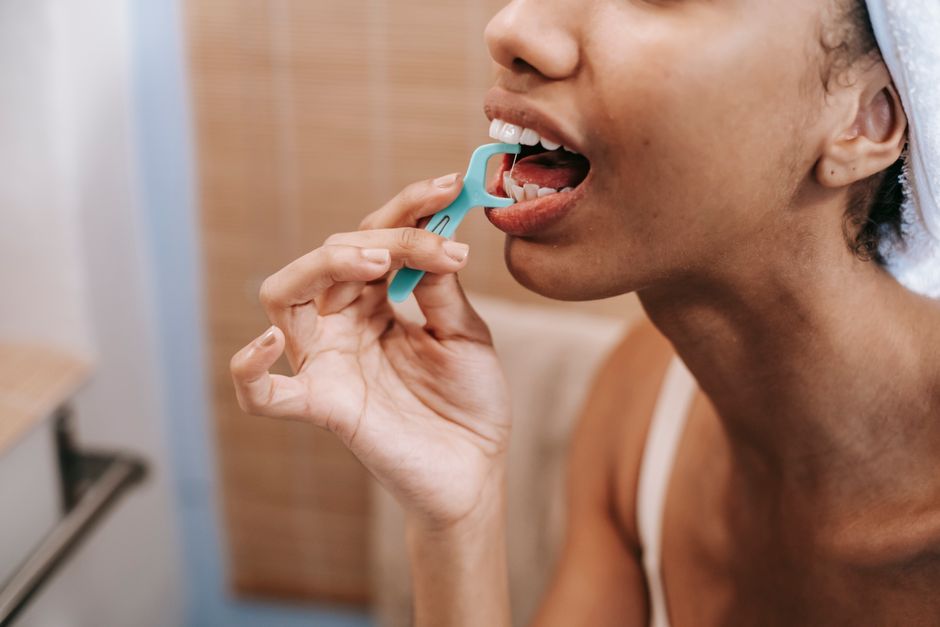
Keep the area clean. Gently brush and floss around the affected tooth. Food particles stuck in the cavity can increase pressure and irritation. Use a soft-bristled toothbrush and be careful not to poke the cavity itself, as this can worsen the pain.
What Not to Do for a Toothache
Some popular home remedies are ineffective and can make the problem worse. Avoid these:
- Do not place aspirin directly on the tooth or gum. This can cause a chemical burn on your gum tissue and does not relieve the pain in the tooth. Aspirin works only when swallowed and absorbed into your bloodstream.
- Do not use essential oils directly on the tooth. Clove oil has some numbing properties, but concentrated essential oils can irritate or burn your gums. If you choose to try it, use a very small amount on a cotton swab and apply it only to the tooth, not the gum. Even then, the evidence for its effectiveness is limited.
- Do not ignore the problem. A cavity will not heal on its own. The decay continues to spread, and the pain will likely return or worsen. Delaying treatment can turn a simple filling into a root canal or tooth extraction.
- Do not eat hard, sticky, or very hot or cold foods. These can trigger pain or dislodge a temporary filling if you have one. Stick to soft foods at room temperature.





When to See a Dentist Immediately
Some symptoms signal a dental emergency that requires immediate professional care. If you experience any of the following, contact a dentist right away:
- Swelling in your face, jaw, or neck
- Fever
- Difficulty breathing or swallowing
- A foul taste in your mouth, which may indicate an abscess has burst
- Pain that is so severe you cannot sleep or function normally
These symptoms can indicate a dental abscess, which is a pocket of pus caused by a bacterial infection. An abscess will not resolve on its own and requires professional drainage and antibiotics. In rare cases, an untreated dental infection can spread to other parts of your body and become life-threatening.
What a Dentist Will Do to Stop the Pain
Your dentist has several treatment options depending on how deep the cavity has progressed. The goal is always to remove the decayed tissue and restore the tooth’s structure.
Filling. If the cavity has not reached the pulp, your dentist will numb the area, remove the decay, and fill the hole with a composite resin or other filling material. This is the most common treatment for cavities and usually resolves the pain completely.
Root canal. If the cavity has reached the pulp and the nerve is infected or damaged, a filling will not be enough. Your dentist will remove the infected pulp, clean the inside of the tooth, and seal it. This procedure is highly effective at stopping the pain because it removes the inflamed nerve tissue. The tooth will then typically need a crown to protect it.
Extraction. If the tooth is too badly damaged to save, your dentist may remove it entirely. This is usually a last resort. After the extraction, the pain from that tooth is gone, but you will need to discuss options for replacing the tooth to prevent your other teeth from shifting.
How to Prevent Cavities in the Future
Preventing cavities is far easier than treating them. The same principles that stop decay from starting will also protect your remaining healthy teeth.
Brush twice a day with fluoride toothpaste. Fluoride strengthens enamel and helps repair early-stage decay before it becomes a cavity. Brush for two full minutes, and pay special attention to the back molars where cavities most often form.
Floss daily. Brushing cleans only about 60 percent of your tooth surfaces. Flossing removes plaque and food particles from between teeth, where cavities frequently develop.
Limit sugary and acidic foods. Bacteria in your mouth feed on sugar and produce acid that erodes enamel. The more often you consume sugar, the more acid your teeth are exposed to. This is why frequent snacking on sweets is worse than eating them all at once.
Visit your dentist regularly. Professional cleanings remove plaque and tartar that brushing cannot. Routine exams can catch cavities early, when they are small and easy to treat. Many people need a checkup every six months, but your dentist may recommend a different schedule based on your individual risk.
Understanding the Limits of Home Relief
It is important to be clear about what home treatments can and cannot do. Saltwater rinses, cold compresses, and pain relievers only mask the symptoms. They do not stop the decay process. The bacteria that caused the cavity remain active and will continue to destroy your tooth structure.
Some people wonder if a cavity can reverse itself. In the very earliest stage, before a hole actually forms, enamel can remineralize with the help of fluoride and good oral hygiene. Once a physical hole exists, however, the damage is permanent and requires professional repair. No home remedy can regrow enamel or close a cavity.
The evidence for natural remedies like oil pulling, garlic, or turmeric as cavity treatments is extremely limited. No clinical study has confirmed that any of these can stop or reverse tooth decay. They may have mild antibacterial properties, but they cannot remove established decay or relieve the pressure of pulpitis. Relying on them instead of seeing a dentist will only delay proper treatment and allow the infection to progress.
Frequently Asked Questions
How long can I wait before seeing a dentist for a cavity?
You should see a dentist within a few days of noticing pain. If you have swelling, fever, or severe pain, seek care immediately, as these can indicate a spreading infection.
Can a cavity heal on its own without treatment?
No. Once a physical hole has formed in the tooth, it cannot heal without professional treatment. Only very early-stage enamel damage can be reversed with fluoride and improved oral hygiene.
Is it safe to take ibuprofen for tooth pain?
Yes, ibuprofen is generally safe for adults when taken according to package instructions. Do not take it if you have certain medical conditions like kidney disease or stomach ulcers, and check with a pharmacist if you take blood thinners.
Will a warm compress or cold compress work better for tooth pain?
Use a cold compress on the outside of your cheek. Cold reduces swelling and numbs the area. A warm compress is not recommended for a toothache, as heat can increase inflammation and worsen the pain.
