
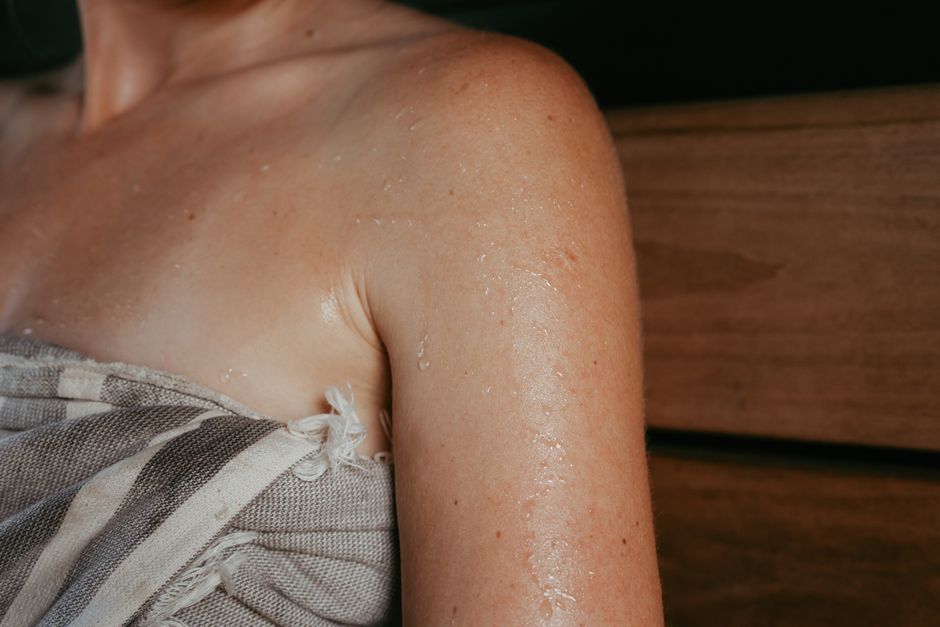
Sweating is a normal, healthy bodily function. But for many people, it comes with an intense, maddening itch. You feel the heat, your skin prickles, and suddenly the urge to scratch is overwhelming. It can happen during a workout, on a hot day, or even from mild stress. The key to stopping it fast is to cool down the skin and remove the irritant that is triggering the nerve response. Quickly moving to a cooler area, patting your skin dry with a clean towel, and rinsing off with cool water will usually stop the acute itch within minutes.
What Causes Itching When You Sweat?
Sweat itself is not the direct problem. The issue is what happens when sweat sits on your skin. Sweat contains salt, urea, and other minerals. When it evaporates, it leaves these substances behind. This salty residue can irritate the skin, especially in areas where sweat gets trapped, like the backs of knees, underarms, and the groin.
There are also several specific skin conditions that make sweat feel like acid on your skin. The most common is cholinergic urticaria, a condition where a rise in core body temperature triggers histamine release. This causes small, itchy hives to form. Another common culprit is miliaria, commonly known as heat rash. This happens when sweat ducts become blocked, trapping sweat beneath the skin and causing a prickly, itchy rash.
Your skin’s microbiome also plays a role. When you sweat, the moisture changes the pH balance of your skin. This can allow certain bacteria or yeast to overgrow, which leads to inflammation and itching. In many cases, it is not just the sweat but the interaction between sweat, fabric, and the skin’s natural flora that causes the reaction.
How To Stop Itching When Sweating Quickly
When the itch hits, you have a narrow window to stop it from escalating. The fastest methods focus on interrupting the nerve signal and removing the trigger. Here is the most effective sequence to follow when you feel that prickling sensation start.
Step one: Get out of the heat. Move indoors, stand in front of a fan, or step into an air-conditioned space. Lowering your core temperature stops the sweating response that is driving the reaction.
Step two: Pat, do not rub. Use a soft, clean towel to pat the sweaty areas dry. Rubbing creates friction, which stimulates the itch receptors in your skin further and can make the irritation worse.
Step three: Rinse with cool water. If possible, take a quick cool shower. This washes away the salty residue and trapped irritants. Do not use hot water, which will trigger more histamine release and worsen the itch.
Step four: Apply a cold compress. If you cannot shower, hold a cold, damp cloth against the itchy area for several minutes. The cold temperature numbs the nerve endings and constricts blood vessels, reducing the inflammatory response.
These steps will usually provide relief within five to ten minutes. If you are in a public place and cannot shower, moving to a cooler area and patting the skin dry with a paper towel is the fastest way to break the cycle.
Why Scratching Makes Sweat Itching Worse
Scratching feels good in the moment, but it is the worst thing you can do. When you scratch, you activate pain receptors in the skin. These pain signals temporarily override the itch signals traveling to your brain. That is why a quick scratch provides instant relief.
However, that relief is temporary. The physical act of scratching damages the top layer of skin. This damage triggers the release of more inflammatory chemicals, including histamine. Your skin then produces more of an itch response to promote healing. This creates a vicious cycle: you scratch, the skin becomes more inflamed, which makes it itch more, so you scratch again.
Scratching also breaks the skin barrier. This opens the door for bacteria to enter, which can turn a simple irritation into a bacterial infection. If you have broken the skin from scratching, you need to be extra careful about keeping the area clean and dry. The skin barrier is your first line of defense, and once compromised, the itch will only intensify.

Long-Term Prevention: Managing the Root Cause
Stopping the itch in the moment is critical, but preventing it from happening is the real goal. The most effective long-term strategy is to identify what type of sweat reaction you have. If you break out in small, red hives that look like bug bites, you likely have cholinergic urticaria. If you have a bumpy, prickly rash in areas where clothing rubs, it is likely heat rash.
For cholinergic urticaria, some dermatologists recommend taking a daily over-the-counter antihistamine before exercise or heat exposure. This blocks the histamine release and can prevent the hives from forming. However, you should always check with a doctor before starting a daily medication. The research on this is well-established, but the specific drug and dosage should be guided by a clinician.
For heat rash, the prevention focuses on keeping the sweat ducts clear. Exfoliating gently a few times a week can help remove dead skin cells that block ducts. Wearing loose, breathable clothing made of moisture-wicking fabrics is also essential. Cotton absorbs sweat but holds it against the skin. Synthetic athletic fabrics pull moisture away from the body, allowing it to evaporate faster and reducing the time sweat sits on your skin.
Showering immediately after sweating is one of the most effective preventative habits. Do not let sweat dry on your skin. The residue left behind is a primary trigger. A quick rinse with cool or lukewarm water and a mild, fragrance-free cleanser removes the irritants before they can cause a reaction.
When To See a Doctor About Sweat Itching
Occasional itching when you sweat is common and usually manageable at home. But there are signs that indicate a deeper issue. If the itching is accompanied by a severe rash that does not go away with cooling down and antihistamines, you should seek medical advice.
You should also see a doctor if the itching is so intense that it disrupts your sleep or prevents you from exercising. This level of severity suggests a condition that needs professional management, not just home remedies. A dermatologist can run tests to determine if you have an underlying condition like eczema, psoriasis, or a fungal infection that is being exacerbated by sweat.
Another situation that warrants a medical visit is if you develop symptoms beyond the skin. If you feel dizzy, lightheaded, or have difficulty breathing alongside the itching, this could be a sign of a more serious allergic reaction and requires immediate emergency care. While rare, severe anaphylaxis can be triggered by a rapid rise in core temperature in certain individuals.
For most people, however, the condition is manageable. A doctor can prescribe stronger antihistamines, topical steroids for inflammation, or other treatments based on the specific diagnosis. There is no reason to suffer through chronic itching when effective clinical treatments are available.
Home Remedies That Actually Work
Many products on the market claim to stop sweat itching, but the evidence behind them varies. Some home remedies have solid backing, while others are marketing noise. Here is a breakdown of what the evidence supports.
Colloidal oatmeal baths are a standard recommendation for itchy skin. The oatmeal contains compounds that have anti-inflammatory properties and help restore the skin barrier. Adding a cup of finely ground colloidal oatmeal to a cool bath can provide significant relief for widespread itching.
Aloe vera gel is effective for cooling the skin after heat exposure. It has natural anti-inflammatory properties and provides a cooling sensation that interrupts the itch signal. Use pure aloe vera gel, not a lotion with added fragrances or colors, which can further irritate the skin.
Baking soda paste is a common remedy, but the evidence is mixed. Some people find that a paste of baking soda and water helps neutralize the acid on the skin’s surface. However, baking soda can be abrasive and may disrupt the skin’s natural pH balance if used too frequently. It is best used sparingly on small areas.
One thing you should avoid is applying heavy lotions or petroleum jelly before exercise. These occlusive products trap sweat against the skin and clog pores, which can actually cause heat rash. If you need a pre-workout product, choose a lightweight, water-based lotion that is labeled non-comedogenic.
Frequently Asked Questions
Why does my skin itch when I sweat?
Sweat leaves behind salt and minerals that irritate the skin, and the rise in body temperature can trigger histamine release in some people. Conditions like cholinergic urticaria and heat rash are common underlying causes.
Is it bad to scratch a sweat rash?
Yes, scratching breaks the skin barrier and triggers more inflammation, which intensifies the itch. It also increases the risk of a secondary bacterial infection.
Does cold water stop the itching?
Yes, cool water constricts blood vessels and reduces the release of inflammatory chemicals. A cool shower or cold compress is one of the fastest ways to stop a sweat-induced itch.
Can I take an antihistamine before working out?
For people with cholinergic urticaria, a daily over-the-counter antihistamine can prevent heat-induced hives. You should consult a doctor first to confirm the diagnosis and get the correct dosing guidance.
