
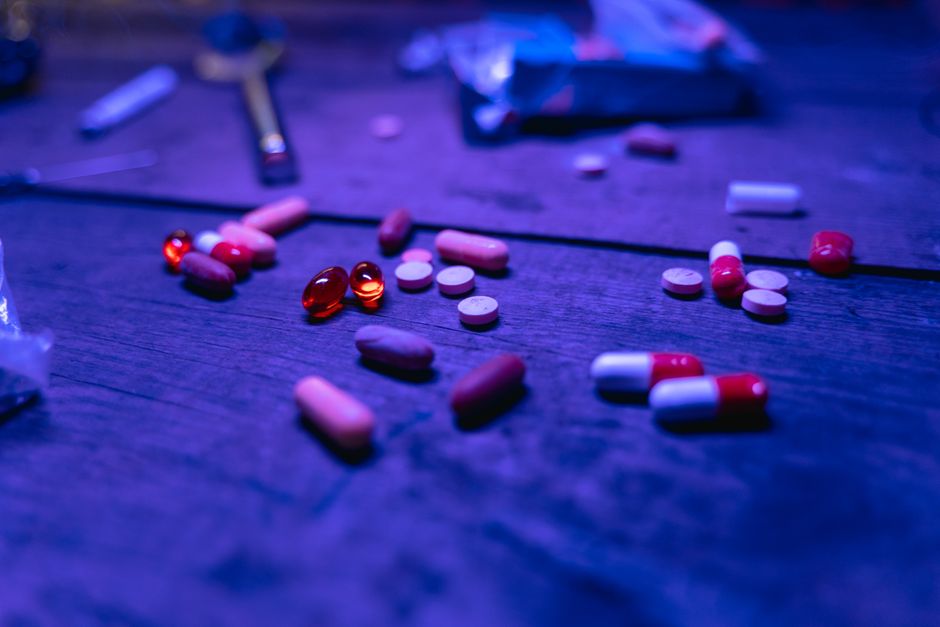
An overdose is a medical emergency, and the single most important thing you can do is call 911 immediately. While you wait for help to arrive, there are specific, evidence-based steps you can take to keep the person alive and reduce the risk of death or permanent injury. These actions do not replace emergency medical care, but they can make the difference between life and death.
What Should You Do First When You Suspect an Overdose?
Call 911. This is not a suggestion — it is the step that saves lives.
Many people hesitate to call for help because they fear legal consequences. In most US states, Good Samaritan laws protect people who call for help during an overdose from certain drug-related charges. These laws vary by state, but the protection is real and widespread. The person’s life matters more than any legal risk.
When you call, speak clearly. Tell the dispatcher:
- That you believe someone is overdosing
- What substance you think was taken, if you know
- Whether the person is breathing
- Your exact location
Do not hang up until the dispatcher tells you to. They can guide you through what to do next.
After calling 911, check the person’s breathing and responsiveness. If they are not breathing or breathing very slowly, you may need to begin rescue breathing or CPR. The dispatcher can walk you through this.
How To Stop Overdose Symptoms Before Help Arrives
You cannot reverse an overdose on your own. What you can do is support the person’s breathing and circulation until emergency responders arrive.
The exact steps depend on the type of substance involved. Opioid overdoses and stimulant overdoses look different and require different responses. If you do not know what was taken, focus on airway, breathing, and circulation.
If You Suspect an Opioid Overdose
Opioid overdoses — from heroin, fentanyl, oxycodone, hydrocodone, or other opioids — cause breathing to slow or stop. The person may be limp, unresponsive, and have pale or blue-tinged lips and fingertips.
If naloxone is available, give it immediately. Naloxone is a medication that reverses opioid overdose by blocking opioid receptors in the brain. It is available as a nasal spray and as an injectable. Many states allow anyone to obtain naloxone without a prescription.
Give naloxone according to the package instructions. If the person does not respond within 2 to 3 minutes, give another dose. Naloxone will not help if the overdose does not involve opioids, but it will not cause harm either.
After giving naloxone, try to keep the person awake and breathing. If they are not breathing, begin rescue breathing — one breath every 5 seconds. If you are trained in CPR and the person has no pulse, begin chest compressions.
Do not put the person in a cold bath. Do not make them drink anything. Do not slap or hurt them to keep them awake. These actions do not help and can cause injury.
If You Suspect a Stimulant Overdose
Stimulant overdoses — from cocaine, methamphetamine, or prescription stimulants — cause the opposite problem. The heart races, blood pressure spikes, and body temperature rises. The person may be agitated, paranoid, or having seizures.
There is no medication that reverses stimulant overdose the way naloxone reverses opioid overdose. Care is supportive.
Move the person to a quiet, cool place if possible. If they are overheating, remove excess clothing and cool them with wet cloths. Do not restrain them unless they are in immediate danger of hurting themselves or others. Restraint can worsen agitation and increase the risk of cardiac arrest.
If they are having a seizure, clear the area around them and do not put anything in their mouth. Time the seizure. If it lasts more than 5 minutes, tell the dispatcher.
If You Suspect a Mixed Overdose
Many overdoses today involve more than one substance. Fentanyl is often mixed into cocaine, methamphetamine, and counterfeit pills without the user’s knowledge. This means a person who thinks they are taking a stimulant may also be experiencing opioid effects.
If you are unsure what was taken and the person is not breathing adequately, give naloxone if you have it. It will not hurt them if opioids are not involved. Then focus on breathing support.
What Not To Do During an Overdose
Some common beliefs about overdose response are wrong and can cause harm.
- Do not induce vomiting. If the person is unconscious, vomit can block the airway.
- Do not give them food, drink, or medication by mouth if they are not fully alert.
- Do not leave them alone. Even if they seem to improve, overdose symptoms can return.
- Do not assume they will sleep it off. Unresponsiveness is not sleep.
- Do not delay calling 911 to try home remedies first.
Naloxone wears off before many opioids do. A person who wakes up after naloxone can slip back into overdose within 30 to 90 minutes. This is why medical observation is necessary even if the person seems fine.



How To Recognize the Signs of an Overdose
Knowing what an overdose looks like helps you act faster.
Signs of opioid overdose include:
- Slow, shallow, or stopped breathing
- Pinpoint pupils
- Unresponsiveness or inability to wake up
- Pale, blue, or gray skin, especially lips and fingertips
- Limp body
- Snoring or gurgling sounds
Signs of stimulant overdose include:
- Chest pain
- Rapid or irregular heartbeat
- High body temperature
- Seizures
- Severe agitation or paranoia
- Confusion or psychosis
Not every overdose looks the same. Some people become very sleepy. Others become violent or confused. If something seems wrong and you suspect drugs or medication are involved, treat it as an emergency.
Why Naloxone Matters and How To Get It
Naloxone is the only proven antidote for opioid overdose. It has been used in emergency medicine for decades and is now available to the public in most states.
You can get naloxone from:
- Pharmacies, often without a prescription
- Community health centers
- Harm reduction organizations
- Some public health departments
Many states have standing orders that allow pharmacists to dispense naloxone to anyone who asks. Some organizations provide it free of charge.
If you or someone you know uses opioids, having naloxone on hand is a reasonable safety measure. It does not encourage drug use. It buys time.
Naloxone is not a substitute for calling 911. It is a bridge to emergency care.
What Happens After Help Arrives
Emergency responders will assess the person’s breathing, heart rate, and level of consciousness. They may give more naloxone, provide oxygen, or start an IV. In severe cases, the person may need a breathing tube or admission to an intensive care unit.
Not everyone who overdoses needs hospital care, but many do. Complications can include brain injury from lack of oxygen, aspiration pneumonia, and organ damage. The sooner breathing is supported, the lower the risk of lasting harm.
After the immediate crisis, the person may be offered substance use treatment or harm reduction resources. These services vary by location.
How To Reduce the Risk of Overdose
You cannot control everything, but some risks are manageable.
If you use drugs:
- Do not use alone. If you must, tell someone and check in.
- Start with a small amount, especially with a new supply.
- Assume any pill or powder could contain fentanyl.
- Carry naloxone.
- Avoid mixing substances, especially opioids with alcohol or benzodiazepines.
If you take prescription opioids, take them exactly as prescribed. Do not crush or snort them. Do not share them. Store them securely and dispose of unused pills properly.
If you are prescribed opioids and also take benzodiazepines, sleep aids, or muscle relaxants, talk to your prescriber about the combined risk. These combinations significantly increase the chance of respiratory depression.
Frequently Asked Questions
Can you stop an overdose without naloxone?
You cannot reverse an opioid overdose without naloxone, but you can support breathing until help arrives by performing rescue breathing or CPR if trained. For stimulant overdoses, there is no antidote, so cooling, calming, and calling 911 are the main actions.
How long does it take for naloxone to work?
Naloxone typically begins working within 2 to 3 minutes after nasal spray or injection. If there is no response after that time, a second dose should be given while waiting for emergency responders.
Should you put someone in recovery position during an overdose?
If the person is breathing but unconscious, placing them on their side can help keep the airway clear and prevent choking on vomit. However, if they are not breathing, rescue breathing or CPR takes priority.
What if the person refuses help after naloxone wakes them up?
Naloxone can cause sudden withdrawal, which may make the person confused, agitated, or unwilling to stay. Even if they refuse, they are still at risk of overdose returning, so emergency medical evaluation is strongly recommended.
