
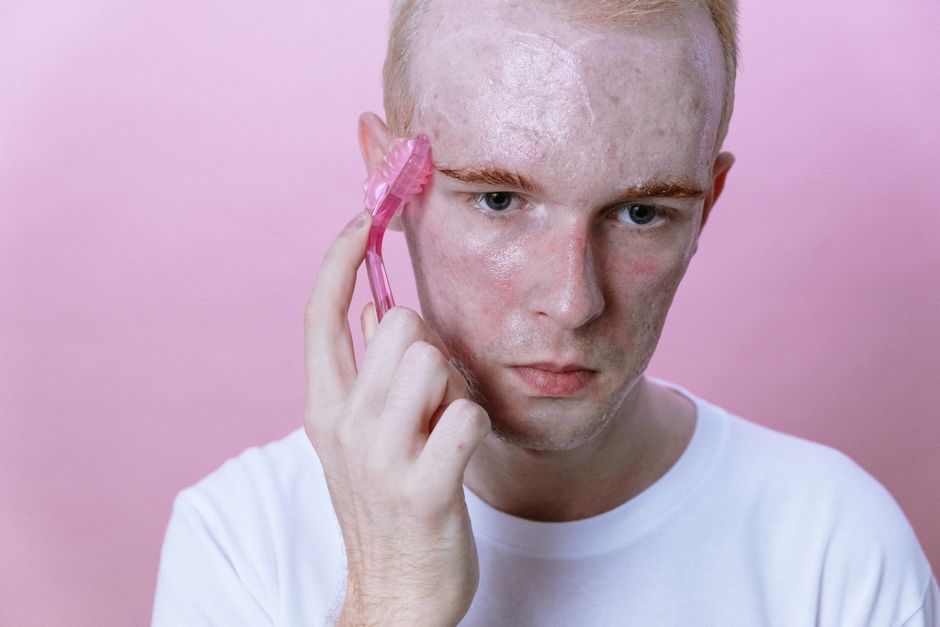
Acne stops at different ages for different people, but for most, it clears significantly by the early to mid-20s. Research from the American Academy of Dermatology shows that acne affects nearly 85% of people between ages 12 and 24. For some, it persists into the 30s and 40s, especially in women. The real answer depends on your skin type, hormones, genetics, and how you manage breakouts.
Does Acne Always Stop After Puberty?
No, it does not always stop after puberty. Many people believe acne is only a teenage problem. That is not true. Studies have found that about 50% of women in their 20s still have acne. About 25% of women in their 40s report breakouts too.
Adult acne is common. It often looks different from teenage acne. Teen acne usually appears on the forehead, nose, and chin. Adult acne tends to show up on the lower face, jawline, and neck. The causes are similar — clogged pores, bacteria, and inflammation — but the triggers shift. Hormones play a bigger role in adult acne.
For men, acne usually stops earlier. Testosterone levels stabilize after the teen years. But men can still get breakouts from stress, shaving irritation, or certain medications. The idea that acne magically ends at 21 is a myth. It is not that simple.
What Age Does Acne Typically Stop?
There is no single age when acne stops for everyone. Data from the National Institutes of Health shows that acne peaks between ages 14 and 19 for most people. After age 20, the number of people with acne drops steadily. But it does not disappear entirely.
By age 25, about 15% of people still have acne. By age 40, that number drops to about 10%. For women, hormonal changes from pregnancy, birth control, and menopause can cause new breakouts. For men, acne after 30 is less common but still possible.
A 2013 study in the Journal of the American Academy of Dermatology followed adults with acne for several years. It found that 64% of women and 43% of men over 25 still had visible acne. These numbers show that acne is not just a teenage issue. It is a lifelong condition for many.
Does Hormonal Acne Ever Stop?
Hormonal acne can stop, but it often comes and goes. It is tied to changes in estrogen, progesterone, and testosterone. For women, breakouts often happen around their period. This is called premenstrual acne. It affects about 60% of women with acne.
For some women, hormonal acne stops after menopause. Estrogen levels drop and the skin produces less oil. But menopause can also trigger acne for others. It is not predictable. A 2017 study in the Journal of Women’s Health found that 26% of women aged 40 to 49 had acne. Many of them had never had acne before.
For men, hormonal acne is less common. Testosterone levels decline slowly with age. But stress can raise cortisol, which increases oil production. This can cause breakouts at any age. Some men also get acne from anabolic steroids or testosterone replacement therapy.
There is no guarantee that hormonal acne will stop. But it often becomes less severe with age. The key is to manage triggers rather than wait for it to disappear.



When Does Acne Stop Without Treatment?
Without treatment, acne may take longer to clear. For some people, it stops naturally in their early 20s. For others, it persists into their 30s and 40s. A study published in Dermatology followed people who never used acne medication. It found that 40% still had acne at age 30.
Untreated acne can also leave scars. The longer acne lasts, the higher the risk of permanent marks. This is why dermatologists recommend treatment even for mild acne. Waiting for it to stop on its own is risky.
Some people see improvement with simple lifestyle changes. Washing the face twice a day, using non-comedogenic products, and avoiding picking can help. But these steps do not work for everyone. Genetics play a big role in how long acne lasts.
If you have a family history of adult acne, yours is more likely to persist. The same is true if you have oily skin or hormonal imbalances. Without treatment, acne can last a decade or more.
What Treatments Help Acne Stop Faster?
Treatments can help acne stop sooner. The right one depends on your skin type and severity. Over-the-counter products with benzoyl peroxide or salicylic acid work for mild acne. They kill bacteria and unclog pores. Research from the Cochrane Library shows that benzoyl peroxide reduces acne lesions by about 50% in 12 weeks.
For moderate acne, prescription treatments are more effective. Topical retinoids like tretinoin speed up skin cell turnover. They prevent clogged pores and reduce inflammation. A 2019 review in the Journal of Dermatological Treatment found that retinoids cut acne counts by 60% to 80% in 12 weeks.
For severe or hormonal acne, oral medications may be needed. Antibiotics like doxycycline reduce bacteria and inflammation. Hormonal treatments like birth control pills or spironolactone block androgen effects. A 2021 study in JAMA Dermatology found that spironolactone reduced acne in 80% of women after 3 months.
Isotretinoin, often called Accutane, is the most powerful option. It is used for severe cystic acne that does not respond to other treatments. About 85% of people see permanent clearing after one course. But it has side effects and requires close monitoring.
Laser and light therapies can also help. They target bacteria and reduce oil glands. Results vary. A 2020 review in Lasers in Medical Science found that laser therapy reduced acne by 40% to 70% after several sessions.
| Treatment | Type | Expected Clearance | Timeframe |
|---|---|---|---|
| Benzoyl Peroxide | Over-the-counter | ~50% reduction | 12 weeks |
| Topical Retinoids | Prescription | 60-80% reduction | 12 weeks |
| Oral Antibiotics | Prescription | 50-70% reduction | 8-12 weeks |
| Spironolactone | Prescription | ~80% reduction | 3 months |
| Isotretinoin | Prescription | ~85% permanent clearing | 4-6 months |
| Laser Therapy | In-office | 40-70% reduction | 3-6 sessions |
What Makes Acne Last Longer?
Certain habits and conditions can make acne last longer. Picking or popping pimples is one of the worst things you can do. It pushes bacteria deeper into the skin and causes more inflammation. It also increases the risk of scarring. Scars can last a lifetime.
Using the wrong skin products can also prolong acne. Heavy moisturizers, oily sunscreens, and makeup with pore-clogging ingredients can make breakouts worse. Look for labels that say “non-comedogenic” or “oil-free.” These products are less likely to clog pores.
Stress is another factor that keeps acne around. Cortisol, the stress hormone, increases oil production. A 2017 study in the Journal of Investigative Dermatology found that stress made acne worse in 65% of participants. Managing stress through exercise, sleep, or therapy can help.
- Picking or popping pimples
- Using oily or heavy skincare products
- High stress levels
- Poor sleep habits
- Certain medications like corticosteroids or lithium
- Diet high in sugar or dairy for some people
Diet is a debated topic. Some studies suggest that high-glycemic foods and dairy can trigger acne. A 2012 review in the Journal of the Academy of Nutrition and Dietetics found that dairy intake was linked to more acne in adolescents. But the evidence is not strong enough to recommend cutting these foods for everyone. It depends on the individual.
Common Misconceptions About When Acne Stops
One common myth is that acne only happens to teenagers. This is false. Adult acne is common and well-documented. Another myth is that washing your face more often clears acne. Over-washing can strip the skin and cause more oil production. Twice a day is enough.
Some people believe that sun exposure helps acne. It can temporarily dry out pimples, but it also damages the skin and increases oil production later. Sun exposure also raises the risk of skin cancer and premature aging. It is not a treatment.
Another misconception is that acne means you have dirty skin. Acne is caused by hormones, bacteria, and genetics — not poor hygiene. Scrubbing hard or using harsh soaps can irritate the skin and make acne worse. Gentle cleansing is better.
Finally, many people think acne will stop after pregnancy or menopause. This is not always true. Hormonal shifts can trigger acne in both directions. Some women clear up, while others break out more. There is no way to predict it.
What to Do If Acne Does Not Stop
If acne does not stop by your mid-20s, see a dermatologist. They can diagnose the type of acne you have and recommend the right treatment. Persistent acne may be a sign of an underlying condition like polycystic ovary syndrome (PCOS) or a hormonal imbalance.
Blood tests can check for high androgen levels or insulin resistance. Treating the root cause often clears the skin. For women with PCOS, birth control or metformin can help. For men with high testosterone, reducing stress and avoiding steroids is key.
Do not wait years to get help. The longer acne lasts, the higher the risk of scarring. Dermatologists have many tools to stop acne, even stubborn cases. Some people need a combination of treatments. Patience is important — most treatments take 8 to 12 weeks to show results.
If you have tried multiple treatments without success, ask about isotretinoin. It is not for everyone, but it offers the highest chance of long-term clearing. A 2020 study in the British Journal of Dermatology found that 85% of people who took isotretinoin had no acne relapse after 5 years.
Frequently Asked Questions
At what age does acne usually stop?
Most people see acne clear by their early 20s, but about 15% still have it at age 25 and 10% at age 40.
Can acne come back after it stops?
Yes, acne can return later in life due to hormonal changes, stress, or certain medications.
Does acne stop after menopause?
For some women, acne stops after menopause, but others may develop it for the first time during this stage.
What is the fastest way to make acne stop?
The fastest way is to see a dermatologist for prescription treatments like retinoids or oral medications, which work within 8 to 12 weeks.
