
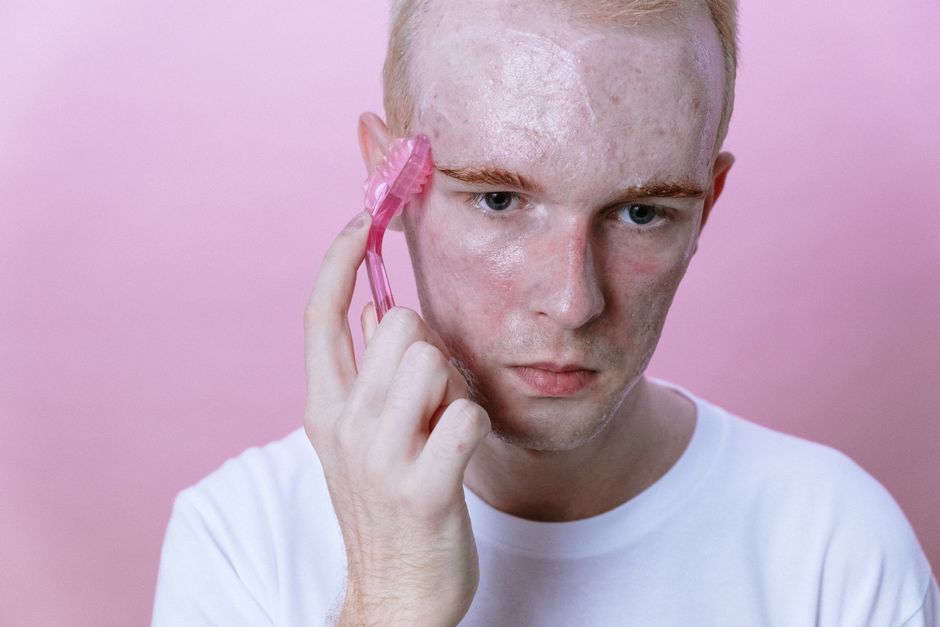
Herpes does not cause acne. They are different conditions with different causes, and confusing them can delay the right care. Herpes is caused by a virus. Acne is a disorder of hair follicles and oil glands. A herpes outbreak on the face can look like a cluster of bumps or pimples, which is why people sometimes mistake one for the other. But the two are not the same, and they do not share a cause.
Can Herpes Cause Acne On The Face?
No. Herpes does not cause acne, and acne does not cause herpes. The two conditions involve completely different systems in the body.
Acne happens when a hair follicle becomes blocked with oil and dead skin cells. Bacteria that normally live on the skin, mainly Cutibacterium acnes, can multiply in the blocked follicle and trigger inflammation. Hormones, especially androgens, influence how much oil the skin produces. This is why acne often shows up during the teen years and can flare around menstrual cycles or times of hormonal change.
Herpes is an infection caused by a virus. Herpes simplex virus type 1 (HSV-1) is the usual cause of cold sores around the mouth. HSV-2 is more often linked to genital herpes, though either type can infect either area through skin-to-skin contact. Once a person is infected, the virus stays in the body for life and can reactivate from time to time.
The confusion comes from appearance, not cause. A herpes outbreak can produce small, fluid-filled blisters that sit close together. When those blisters break or crust over, they can resemble a patch of pimples. The location near the mouth or nose adds to the mix-up.
Why Do Herpes Bumps Get Mistaken For Acne?
Herpes and acne can look alike at a glance, especially in the early stage of an outbreak. Both can appear as red bumps on the face. That surface similarity is where the resemblance ends.
There are a few features that help tell them apart. A cold sore usually starts with a tingling, burning, or itching feeling in one spot before any bump appears. Acne does not do that. Herpes blisters tend to cluster tightly and are often filled with clear fluid before they break. Acne pimples are more often scattered and may have a white or dark center.
Location matters too. Cold sores most often form on or around the lips, the edge of the nose, or the chin. Acne tends to appear on the cheeks, forehead, chin, and jaw, where oil glands are dense.
One point worth clearing up: a cold sore is not a “herpes pimple.” It is a cluster of small blisters caused by a virus. Calling it a pimple blurs two conditions that need different handling.
What Does A Herpes Outbreak On The Face Actually Look Like?
A facial herpes outbreak usually follows a predictable pattern. Knowing the stages can help you recognize it.
- Tingling stage: Many people feel itching, burning, or a slight sting in one small area before anything is visible. This is often called a prodrome.
- Blister stage: Small, fluid-filled blisters appear, often grouped in a cluster.
- Weeping stage: The blisters break and release fluid. This stage is when the virus spreads most easily.
- Crusting stage: A yellow or brown crust forms over the area.
- Healing stage: The crust falls off and the skin heals, usually without a scar.
A first outbreak tends to be more uncomfortable and longer-lasting than later ones. Some people also get swollen lymph nodes, fever, or a general feeling of being unwell during a first episode. Repeat outbreaks are usually milder and shorter.
Not everyone who carries HSV-1 gets visible cold sores. Many people carry the virus without symptoms, though they can still pass it to others through direct skin contact.
What Actually Causes Acne On The Face?
Acne comes from a mix of factors working together inside the hair follicle. Four things drive most cases:
- Extra oil: Androgens increase sebum production, especially during puberty and around hormonal shifts.
- Blocked follicles: Dead skin cells shed faster than normal and clump together, plugging the follicle opening.
- Bacterial growth: C. acnes multiplies in the blocked follicle.
- Inflammation: The body’s immune response creates the redness, swelling, and tenderness.
Genetics play a real role. If a parent had significant acne, a person’s own risk tends to be higher. Some medications, certain cosmetic products, and hormonal conditions can also contribute. Diet is studied as a possible factor, but the evidence is mixed and does not point to a single cause.
None of these mechanisms involve a virus. That is the core reason herpes cannot cause acne.
Can A Herpes Outbreak Make Existing Acne Worse?
There is no strong evidence that herpes makes acne worse. The two conditions can, however, show up at the same time on the same face, which can make it seem like one is driving the other.
One thing to watch: people with acne sometimes have a damaged skin barrier from harsh products or picking. Broken skin can make it easier for a virus to enter. This is not the same as herpes causing acne, but it is a reason to treat active acne gently rather than scrubbing or squeezing.
If you have a cold sore near an area of active acne, keep your hands off both. Touching a cold sore and then touching acne or your eyes can spread the virus to new spots. This is called autoinoculation, and it is a real risk during an active outbreak.
How Do You Tell Herpes And Acne Apart?
The clearest way to tell them apart is by pattern and timing. The table below summarizes the main differences. It is a general guide, not a diagnosis.
| Feature | Herpes (cold sore) | Acne |
|---|---|---|
| Cause | Herpes simplex virus | Blocked follicle, oil, bacteria, inflammation |
| Early warning | Tingling or burning before a bump appears | Usually none |
| Appearance | Clustered fluid-filled blisters | Scattered red bumps, whiteheads, or blackheads |
| Common location | Lips, edge of nose, chin | Cheeks, forehead, jaw, chin |
| Pattern | Comes and goes in episodes | Ongoing, can flare and settle |
| Contagious | Yes, through direct skin contact | No |
If a bump is painful, clustered, and came on after a tingling feeling, herpes is more likely. If you have ongoing breakouts across typical acne zones, acne is more likely. When you are unsure, a clinician can tell the difference, and sometimes testing is used to confirm herpes.
When Should You See A Doctor?
See a clinician if a facial outbreak is severe, keeps coming back, or does not fit the usual acne pattern. A few situations deserve prompt attention.
- Sores near the eye, which need urgent care because herpes can affect the eye
- Widespread blisters with fever or feeling unwell, especially during a first episode
- Outbreaks in someone with a weakened immune system
- Skin that is not improving with standard acne care
For people with frequent cold sores, clinicians sometimes prescribe antiviral medication. Some clinicians recommend starting it at the first tingle, since earlier treatment tends to work better. Whether antiviral treatment is right for you, and which one, is a decision for a clinician who knows your history.
For acne, treatment depends on severity. Over-the-counter products containing benzoyl peroxide or salicylic acid are common starting points. Moderate to severe acne often needs prescription treatment. No acne product treats a virus, and no antiviral treats acne, which is another reason getting the diagnosis right matters.
How Can You Reduce The Spread Of Facial Herpes?
Herpes spreads through direct skin-to-skin contact with an active sore or with virus shed from the skin. Avoiding contact during an outbreak lowers the risk of passing it on.
- Do not kiss or share utensils, towels, or lip products during an active cold sore.
- Wash your hands after touching the area.
- Avoid touching your eyes after touching a sore.
- Keep the area clean and let it heal without picking.
People with cold sores can spread the virus even when no sore is visible, though the risk is highest when blisters are present. This is one reason HSV-1 is so common worldwide.
Frequently Asked Questions
Can herpes cause acne on the face?
No. Herpes is caused by a virus, while acne is caused by blocked hair follicles, oil, bacteria, and inflammation. They are separate conditions that can appear on the face at the same time.
How can you tell a cold sore from a pimple?
A cold sore often starts with tingling or burning and forms a cluster of fluid-filled blisters, usually near the lips or nose. A pimple is typically a single red bump or whitehead without that early tingling stage.
Can a cold sore spread to other parts of the face?
Yes. Touching an active sore and then touching another area, especially the eyes, can spread the virus. Washing your hands and avoiding contact with the sore lowers this risk.
Does acne mean you have herpes?
No. Acne is not a sign of herpes and has no viral cause. If a breakout is clustered, painful, or comes with tingling, a clinician can help confirm what it is.
