
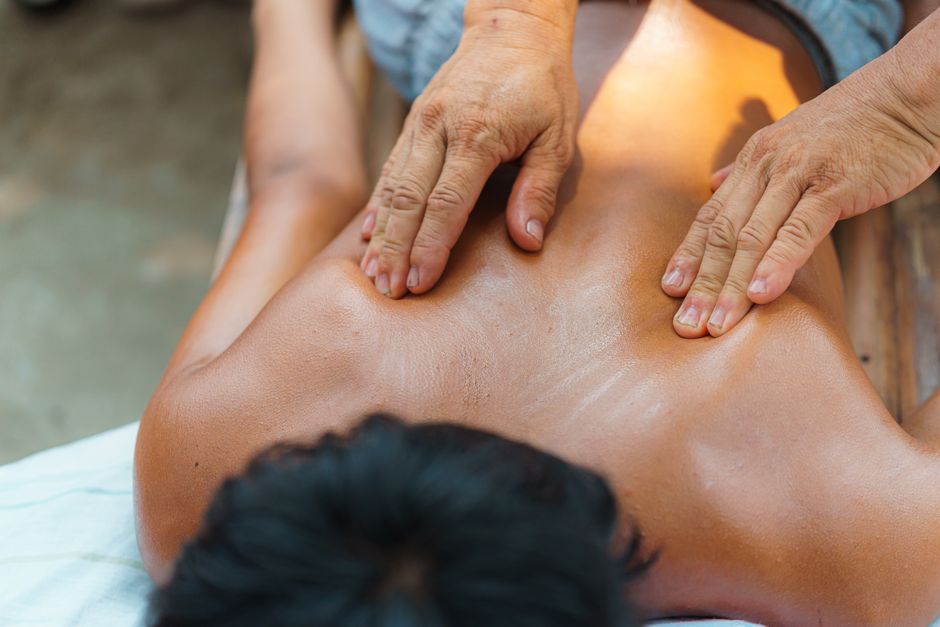
Tight back muscles are one of the most common reasons people see a doctor or miss work. The fastest way to start feeling better is to combine heat with targeted stretching. Heat increases blood flow to the area, which helps muscles relax. Stretching then lengthens the muscle fibers so they can return to a normal resting state. For most people, applying moist heat for 15 to 20 minutes before gentle stretching is the most effective first step.
Why Does Heat Work on Tight Back Muscles?
Heat works by increasing blood flow to the tissue. When blood vessels dilate, more oxygen and nutrients reach the muscle. This helps reduce the muscle spasm and clears out metabolic waste products that build up during tension.
Heat also stimulates sensory receptors in the skin. This can reduce the pain signals being sent to the brain, a mechanism similar to how a warm compress eases a headache. The result is that the muscle is less guarded and more willing to stretch.
There is a difference between moist heat and dry heat. Moist heat, such as a warm wet towel or a steam pack, penetrates deeper into the muscle tissue. Dry heat, like an electric heating pad, is more convenient but primarily warms the skin surface. Both are useful, but moist heat is generally more effective for deep muscle tightness.
Do not use heat if the area is swollen or if you have a fresh injury from the last 48 hours. In those cases, ice is the appropriate choice. Heat is for chronic tightness and muscle spasms, not acute inflammation.
What Is the Best Way to Stretch a Tight Back?
Stretching a tight back requires patience and proper technique. The goal is to lengthen the muscle without triggering a protective spasm. If you force a stretch, the muscle will fight back and tighten further.
Start with gentle movements that take the spine through its full range of motion. The knee-to-chest stretch is a reliable starting point. Lie on your back, bring one knee toward your chest, and hold for 30 seconds. Repeat on the other side. This targets the lower back muscles and the glutes.
The child’s pose is another effective stretch. Kneel on the floor, sit back on your heels, and reach your arms forward. This lengthens the entire back from the pelvis to the shoulders. Hold it for 30 to 60 seconds while breathing slowly.
A seated spinal twist can help with mid-back tightness. Sit with one leg crossed over the other, and rotate your torso toward the bent knee. Keep your spine tall and avoid jerking the rotation. This stretch targets the muscles that run along the spine.
For best results, hold each stretch for at least 30 seconds. Shorter holds of 10 seconds do not create the lasting elongation that a 30-second hold provides. Breathe steadily during the stretch. Exhaling helps the muscle relax further.
How To Loosen Tight Back Muscles Heat Stretches More
The order matters more than most people realize. Heat first, then stretch. If you stretch a cold muscle, you risk micro-tears and increased soreness. If you apply heat without stretching, the muscle relaxes temporarily but returns to its tight state quickly.
Here is the sequence that works best for most people:
- Apply moist heat for 15 to 20 minutes. Use a warm wet towel or a commercial moist heat pack.
- Begin with gentle range-of-motion movements. Slowly roll your shoulders and tilt your pelvis.
- Move into static stretches like knee-to-chest and child’s pose.
- Hold each stretch for 30 seconds without bouncing.
- Finish with light movement, such as a short walk, to keep blood flowing.
The heat phase is not optional. It is the preparation that makes the stretch effective. Without it, the muscle remains guarded and the stretch produces less benefit.
You can also use a warm shower or bath for the heat phase. Stand under the water and let it run down your back for several minutes before stretching. This is a practical option if you do not have a heating pad or compress.





Are There Risks With Heat and Stretching?
Yes, there are risks, but they are manageable. Heat can cause burns if left on too long or set too high. Always use a barrier like a towel between a heating pad and your skin. Limit heat sessions to 20 minutes at a time.
Stretching carries a risk of injury if done aggressively. A muscle that is stretched beyond its current capacity will tear. This is why the heat phase is essential. A warmed muscle is more pliable and less likely to tear.
Do not stretch into sharp pain. A mild pulling sensation is normal. Sharp or shooting pain is a warning sign to stop. If you feel numbness or tingling in your legs, stop immediately and consult a healthcare provider. These symptoms can indicate nerve involvement that requires professional evaluation.
People with certain conditions should be cautious with heat. If you have diabetes, peripheral vascular disease, or reduced skin sensation, you may not feel a burn developing. In these cases, use a lower heat setting and shorter duration.
What Else Can Help Beyond Heat and Stretching?
Heat and stretching are the foundation, but they are not the only tools. Strengthening the core and back muscles prevents future episodes of tightness. A strong core supports the spine and reduces the load on the back muscles.
Regular movement throughout the day is important. Sitting for long periods causes the back muscles to shorten and tighten. Standing up and walking for a few minutes every hour can prevent this.
Massage can help release trigger points in the back. A foam roller is a practical home option. Roll slowly over the tight areas and pause on any tender spots for 20 to 30 seconds. Do not roll directly over the spine itself.
Hydration matters more than many people realize. Muscle tissue is about 75 percent water. Dehydration can make muscles more prone to cramping and tightness. Drinking enough water throughout the day supports muscle function.
Sleep position also contributes to back tightness. Sleeping on your stomach puts strain on the lower back. Sleeping on your side with a pillow between your knees keeps the spine aligned. This reduces morning stiffness.
When Should You See a Doctor for Back Tightness?
Most back tightness resolves within a few days with heat, stretching, and gentle movement. Some situations require medical attention.
Seek care if the tightness lasts longer than two weeks despite home treatment. See a doctor if the pain is severe enough to interfere with daily activities or sleep. Seek immediate care if you lose bladder or bowel control, or if you experience numbness in the groin area. These can be signs of a serious condition called cauda equina syndrome.
Back tightness accompanied by fever, unexplained weight loss, or pain that worsens at night warrants evaluation. These symptoms can indicate an infection or other underlying condition that is not muscular.
If the tightness follows a fall or injury, get evaluated. A muscle strain may be the cause, but a fracture or disc injury is also possible. Imaging may be needed to rule out structural damage.
Frequently Asked Questions
How long should I apply heat before stretching my back?
Apply moist heat for 15 to 20 minutes before stretching. This gives the blood vessels time to dilate and the muscle time to relax.
Can I use a heating pad instead of moist heat?
Yes, a heating pad is effective, but moist heat penetrates deeper into the muscle. Place a damp towel between the pad and your skin to add moisture.
How often should I stretch a tight back?
Stretch twice daily for best results. Once in the morning to relieve overnight stiffness and once in the evening after heat application.
Is it better to ice or heat a tight back?
Use heat for chronic tightness and muscle spasms. Use ice only for acute injuries with swelling within the first 48 hours.
