
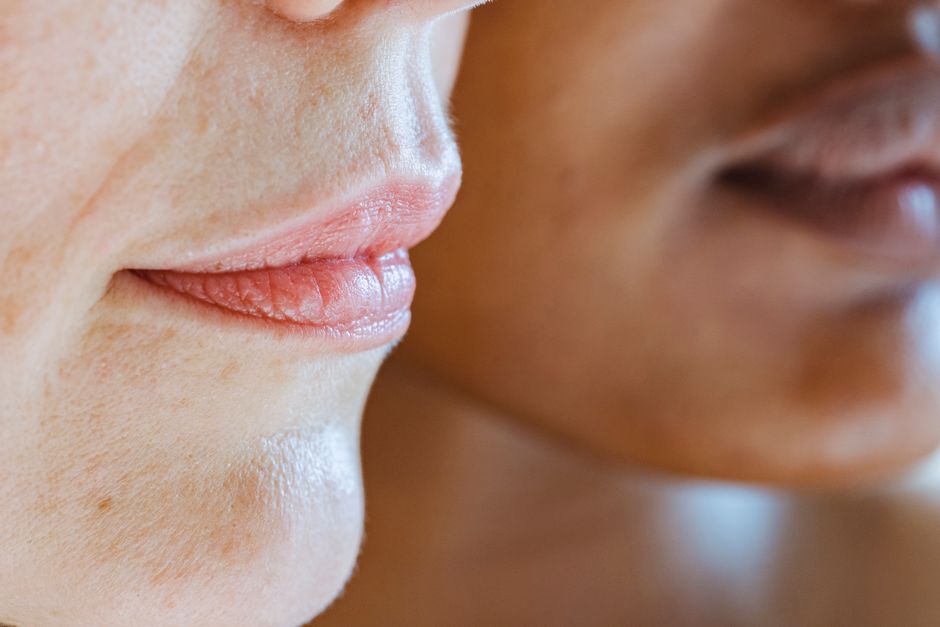
Most people have felt that odd, brief twitch in their lip at some point. It is rarely a sign of a serious medical problem, but it can be annoying and worrying. The science is straightforward: a lip twitch is a spontaneous, involuntary contraction of the tiny muscle fibers in your lips. In the vast majority of cases, it is caused by temporary lifestyle factors like fatigue, stress, or caffeine, and it resolves on its own within a few days.
What Is a Lip Twitch?
A twitch, also called a fasciculation, happens when a single muscle fiber or a small group of fibers contracts on their own. You cannot control it. It is different from a spasm, which involves the whole muscle and can be painful.
Your lips have a complex ring of muscles called the orbicularis oris. This muscle is responsible for puckering, closing, and shaping your lips. Because these muscles are small and close to the skin, their contractions are very visible. This makes a lip twitch more noticeable than a twitch in a larger muscle, like your thigh.
Why Your Lips Twitching: The Most Common Causes
The most frequent triggers for lip twitching are everyday factors. These are not dangerous, but they can irritate your nerves and muscles.
- Stress and anxiety: Stress hormones can overstimulate your nervous system. This can cause muscles anywhere in your body to fire randomly.
- Fatigue and lack of sleep: Sleep deprivation affects how your nerves communicate with your muscles. A tired nervous system is more likely to misfire.
- Caffeine and stimulants: Caffeine blocks the chemicals that calm your brain and muscles. Too much coffee, tea, or energy drinks can increase muscle excitability.
- Dehydration and electrolyte imbalance: Your muscles need a precise balance of minerals like potassium, calcium, and magnesium to function. Low levels can cause involuntary twitching.
- Nutrient deficiencies: Some research suggests that low levels of magnesium or vitamin B12 can contribute to muscle twitching, though this is not the most common cause.
These triggers usually need to build up. One bad night of sleep alone rarely causes a twitch. More often, it is a combination of a busy week, extra coffee, and not enough water.
Medical Conditions That Can Cause Lip Twitching
Sometimes a lip twitch is linked to a medical condition. These are less common, but they are worth knowing about.
Bell’s palsy is a condition that causes sudden weakness or paralysis on one side of the face. It can start with a twitching sensation before the weakness becomes obvious. If you cannot close your eye on that side, or your smile looks crooked, seek medical attention quickly.
Hemifacial spasm is a rare neurological condition. It causes involuntary twitching on one side of the face, often starting around the eye and moving down to the cheek and mouth. This is caused by a blood vessel pressing on a facial nerve. It is not dangerous, but it can be persistent and may require treatment.
Tourette syndrome and other tic disorders can cause facial twitches. However, tics are usually more complex than a simple muscle twitch. They are often preceded by an urge to perform the movement, and they can be briefly suppressed.
In very rare cases, a persistent twitch can be an early sign of a neurological condition like multiple sclerosis or amyotrophic lateral sclerosis (ALS). These diseases cause widespread muscle twitching, weakness, and wasting. A twitch confined to your lip for a few days is not a sign of these conditions.





When Is a Lip Twitch a Sign of Something Serious?
You should see a doctor if your lip twitch lasts longer than two weeks without stopping. You should also seek medical advice if the twitch spreads to other parts of your face or body.
Seek urgent care if the twitch is accompanied by any of these symptoms:
- Weakness or drooping on one side of the face
- Difficulty speaking or swallowing
- Numbness or tingling
- Vision changes
- Severe headache
These symptoms can point to a stroke or a transient ischemic attack (TIA). A TIA is a temporary blockage of blood flow to the brain. It is a warning sign of a future stroke and requires immediate medical evaluation.
How to Stop a Lip Twitch
For most people, a lip twitch will stop on its own. You can speed up the process by addressing the likely cause.
Start by reducing your caffeine intake. If you drink several cups of coffee a day, cut back for a few days. Drink more water to rule out dehydration. Aim for enough sleep to feel rested. If stress is high, try a short walk or deep breathing.
You can also gently massage the area. Light pressure on the twitching muscle for a minute or two can sometimes help it relax. Applying a warm compress to the lip may also provide temporary relief.
There is no clinical guideline that recommends a specific supplement for lip twitching. If you suspect a magnesium deficiency, talk to your doctor about a blood test. Do not take high-dose supplements without knowing your levels, as too much magnesium can cause digestive issues.
Can Lip Twitching Be Prevented?
Prevention is about managing the triggers. Keep your caffeine intake moderate. Stay hydrated throughout the day. Prioritize consistent sleep, even on weekends.
Managing stress is harder but equally important. Chronic stress keeps your nervous system on high alert. This makes muscle twitching more likely. Regular exercise and mindfulness practices have been shown to lower stress hormones, which can reduce the frequency of twitches.
If you notice that your lip twitches every time you have a certain energy drink or food, that is a strong clue. Your body may be sensitive to that stimulant. Removing it from your routine may prevent future episodes.
What the Evidence Does Not Support
There is a lot of misinformation online about facial twitching. Some sources claim that a twitching lip is a sign of a specific vitamin deficiency or an early sign of a serious disease. Most of these claims are not supported by clinical evidence.
No study has confirmed that a lip twitch alone is a reliable indicator of any serious illness. In otherwise healthy people, it is a benign and temporary phenomenon. The same goes for “detox” teas or special facial exercises marketed to stop twitching. No clinical evidence currently confirms that these work.
If a twitch persists or bothers you, a doctor can evaluate it. They may check your electrolyte levels, thyroid function, or nerve response. But for the vast majority of people, no medical treatment is needed.
Frequently Asked Questions
How long does a lip twitch usually last?
Most lip twitches last from a few seconds to a few minutes at a time, and they typically stop completely within a few days. If it lasts longer than two weeks, see a doctor.
Is a twitching lip a sign of a stroke?
A lip twitch alone is not a sign of a stroke. However, if the twitch comes with weakness, drooping, or difficulty speaking, seek emergency care immediately.
Can stress cause my lip to twitch?
Yes, stress is one of the most common triggers for lip twitching. Stress hormones can overstimulate your nerves and cause small muscles to contract randomly.
What vitamin deficiency causes lip twitching?
Low levels of magnesium or vitamin B12 can contribute to muscle twitching in some people. A blood test is the only way to know if you have a deficiency.
