
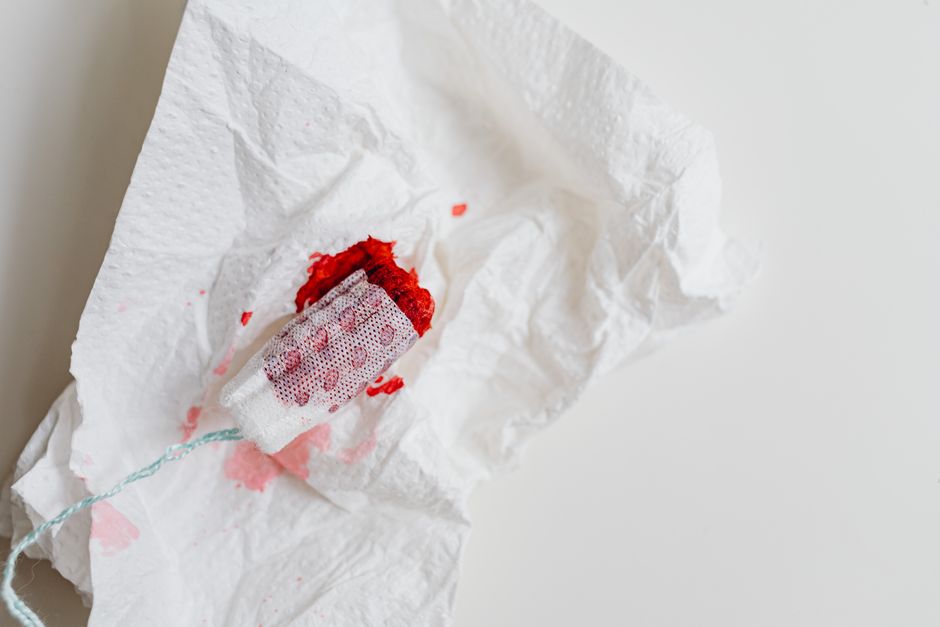
Menstrual bleeding that lasts longer than seven days is called prolonged menstrual bleeding, and it is not something you have to simply endure. The first step is not a home remedy — it is finding out why the bleeding is continuing, because the cause determines what actually works. A normal period typically lasts three to seven days, so bleeding that runs past seven days is a sign worth evaluating rather than masking with pads and patience.
How To Stop Menstrual Bleeding After 7 Days?
There is no reliable home method to stop an ongoing period once it has passed seven days. The honest answer is that prolonged bleeding usually needs a medical evaluation to identify the cause before it can be effectively treated.
This is not a cop-out. It reflects how menstrual bleeding actually works. A period ends when the uterine lining has finished shedding and rising estrogen levels help rebuild it. If bleeding continues, something is interfering with that process — a hormonal imbalance, a structural growth in the uterus, a bleeding disorder, or another underlying condition. You cannot fix a hormonal or structural cause with diet, teas, or over-the-counter products.
What you can do right away is track the bleeding carefully and contact a clinician. Note how many days it has lasted, how heavy it is (how often you soak through a pad or tampon), whether you are passing clots larger than a quarter, and whether you feel dizzy, weak, or short of breath. That information helps your clinician move faster toward the right cause.
When Does Bleeding Past 7 Days Need Medical Attention?
Bleeding that lasts longer than seven days meets the clinical definition of prolonged menstrual bleeding and should be evaluated. That is a widely used threshold in gynecology, not an arbitrary number.
Certain features make the situation more urgent:
- Soaking through one pad or tampon every hour for several hours in a row
- Passing blood clots larger than a quarter
- Feeling dizzy, lightheaded, unusually tired, or short of breath
- Bleeding that is heavy enough to interfere with daily activities
- Bleeding between periods, after sex, or after menopause
- Any bleeding during pregnancy
Heavy or prolonged bleeding over time can lead to iron-deficiency anemia, which causes fatigue, pale skin, and shortness of breath. That is one reason not to wait indefinitely. If you are soaking through protection hourly or feel faint, seek care the same day.
What Causes Bleeding That Lasts More Than 7 Days?
The causes fall into a few broad groups, and identifying the right one is what makes treatment work.
Hormonal causes are common. When estrogen and progesterone are out of balance — which can happen with thyroid problems, polycystic ovary syndrome (PCOS), perimenopause, or significant weight changes — the uterine lining may build up abnormally and shed unevenly, prolonging bleeding.
Structural causes include uterine fibroids, endometrial polyps, and adenomyosis. These are growths or changes in the uterine tissue that can cause heavier, longer bleeding. They are not cancer, but they need to be identified.
Bleeding disorders such as von Willebrand disease can cause prolonged or heavy periods, sometimes from the very first period a person has.
Medications can play a role. Blood thinners and some hormonal contraceptives can change bleeding patterns. So can an intrauterine device (IUD), especially in the first months after insertion.
Other causes include infection, endometrial cancer (rare but important to rule out, especially after menopause), and complications of pregnancy such as miscarriage or ectopic pregnancy.
Because so many conditions produce similar bleeding, no one can identify the cause from symptoms alone. That is why testing matters.





What Treatments Can Stop Prolonged Bleeding?
Treatment depends entirely on the cause, which is why self-treatment usually fails. A clinician may recommend one or more of the following, based on what testing shows.
Hormonal medications — including certain birth control pills, hormonal IUDs, or other hormone therapies — are often used to regulate the lining and reduce bleeding. These are among the most common approaches for hormonal causes.
Non-hormonal medications such as tranexamic acid or certain anti-inflammatory drugs can reduce heavy bleeding. These require a prescription or clinical guidance and are not appropriate for everyone.
Procedures may be needed for structural causes. Polyps and some fibroids can be removed. In certain cases, endometrial ablation or other surgical options are considered.
Treating the underlying condition — such as correcting a thyroid problem or managing a bleeding disorder — can resolve the bleeding at its source.
Iron supplementation is often recommended if anemia is present, but the dose and type should come from your clinician based on blood test results.
What Home Remedies Actually Help — And What Doesn’t?
No home remedy has been shown to stop an ongoing period that has passed seven days. That includes herbal teas, apple cider vinegar, and dietary changes marketed for this purpose.
What you can reasonably do at home is manage symptoms and avoid making things worse while you seek care:
- Use the right absorbency and change protection regularly to reduce infection risk
- Rest and stay hydrated, especially if bleeding is heavy
- Eat iron-rich foods if you are at risk of anemia
- Avoid aspirin, which can thin the blood, unless a clinician has told you to take it
Some people find that nonsteroidal anti-inflammatory drugs reduce cramping and flow, but these should be discussed with a clinician, particularly if you have stomach, kidney, or bleeding problems. They are not a substitute for finding the cause.
Be cautious with any product or supplement that claims to “stop” or “reset” your period. No study has confirmed these claims, and delaying real evaluation can allow a treatable condition to worsen.
How Is Prolonged Bleeding Diagnosed?
Diagnosis usually starts with a conversation and a physical exam, followed by tests. Your clinician will ask about your bleeding pattern, medical history, medications, and family history.
Common tests include:
- Blood tests to check for anemia, thyroid function, and hormone levels
- Pregnancy testing when relevant
- Pelvic ultrasound to look for fibroids, polyps, or other structural changes
- Endometrial biopsy in certain cases, particularly after menopause or when cancer risk needs to be ruled out
- Blood clotting tests if a bleeding disorder is suspected
The goal is to match the treatment to the cause. Two people with the same number of bleeding days can need completely different approaches.
What If the Bleeding Won’t Stop?
Bleeding that does not stop, or that is heavy enough to soak through protection every hour, is a reason to seek emergency care. This is not a situation to manage at home.
Heavy, unrelenting bleeding can cause rapid blood loss and serious anemia. Emergency treatment can include intravenous fluids, medications to slow bleeding, or procedures to control it. If you feel faint, confused, or have chest pain, call emergency services.
For bleeding that is prolonged but not severe, the practical path is the same: get evaluated. The sooner the cause is identified, the sooner the right treatment can bring the bleeding under control.
Frequently Asked Questions
Is it normal to bleed for more than 7 days?
A period lasting longer than seven days is considered prolonged menstrual bleeding and is not typical. It should be evaluated by a clinician to find the cause.
Can I stop my period at home if it lasts longer than a week?
No reliable home method exists to stop an ongoing period once it passes seven days. Effective treatment depends on identifying the underlying cause with medical testing.
When should I worry about bleeding past 7 days?
Seek care promptly if you soak through a pad or tampon every hour, pass large clots, or feel dizzy, weak, or short of breath. Even without those signs, bleeding past seven days warrants an evaluation.
What is the most common cause of prolonged menstrual bleeding?
Hormonal imbalance is a common cause, but fibroids, polyps, bleeding disorders, and other conditions can produce the same pattern. Only testing can confirm which cause applies to you.
