
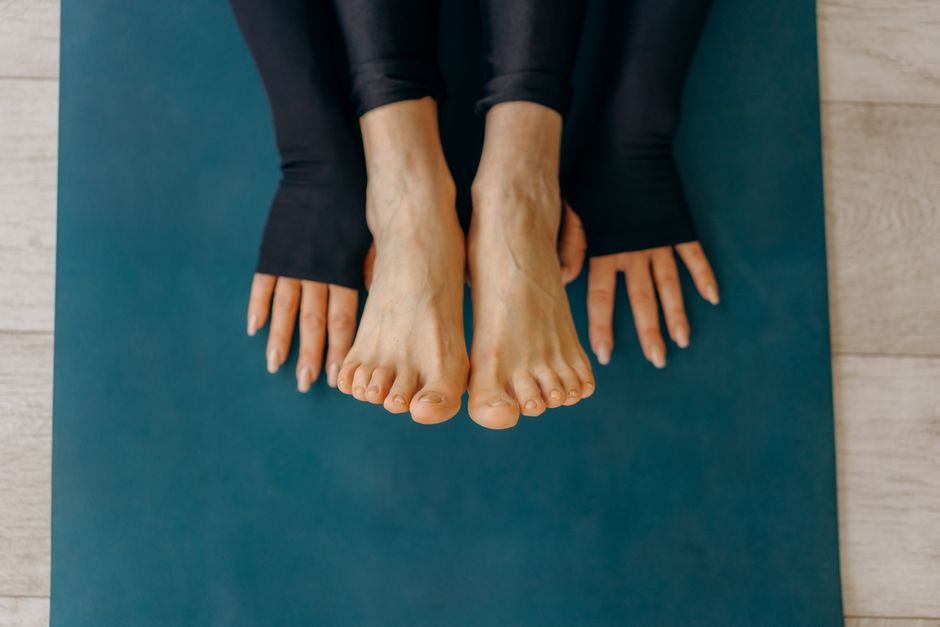
If your feet sweat so much that your socks are soaked by lunchtime, you are not imagining it, and you are not alone. Sweaty feet are common, and the medical name for excessive sweating is hyperhidrosis. The good news is that there are real, evidence-based ways to control it. Most people get meaningful relief by combining a few simple daily habits with an antiperspirant made for the job.
Here is the short answer. Wash and dry your feet every day, wear socks that pull moisture away from the skin, rotate your shoes so each pair dries fully, and use an antiperspirant containing aluminum on your feet, not just deodorant. If those steps do not control it, a doctor has several stronger options, including prescription-strength antiperspirants, iontophoresis, and other treatments.
Why Do My Feet Sweat So Much?
Sweating is your body’s cooling system, and your feet have more sweat glands than almost anywhere else on your body. Each foot contains roughly 250,000 sweat glands. That is a lot of plumbing packed into a small space.
For most people, the amount of sweat is normal and the problem is really about trapping. Shoes and socks hold moisture against the skin. Bacteria that live on your feet break that sweat down, and the byproducts are what smell. So the wetness and the odor are two related but separate issues.
Some people have hyperhidrosis, which means the sweat glands are overactive. This can run in families. It often starts in childhood or the teen years. It can affect the feet, hands, underarms, or face, and sometimes several at once.
Other things can make foot sweating worse. These include:
- Hot weather and humid conditions
- Standing or walking for long stretches
- Nerve-related conditions such as diabetes
- Hormonal changes, including menopause
- Anxiety and stress
- Some medications
- Non-breathable footwear
If your sweating is heavy, happens on both sides of your body equally, and has been going on for years, that pattern points toward hyperhidrosis. If it started suddenly, affects only one foot, or comes with night sweats, weight loss, or other new symptoms, that is a reason to see a doctor. A sudden change like that can have a different cause and should be checked.
Do Antiperspirants Work on Feet?
Yes. Antiperspirants are the most reliable over-the-counter tool for sweaty feet, and they work better than deodorant alone. The key difference is what is inside the product.
Deodorants mainly control odor. Antiperspirants contain aluminum salts, which form a temporary plug at the opening of the sweat gland and reduce how much sweat reaches the skin. This is why the label matters. If a product says “deodorant” only, it is not designed to reduce sweat.
The trick with feet is timing. Apply the antiperspirant at night, before bed, when your feet are clean and completely dry. Sweat glands are less active while you sleep, so the product has time to work. Wash it off in the morning. This nighttime approach is the standard advice for getting the most out of an antiperspirant.
If regular antiperspirants are not enough, a doctor can prescribe a stronger version. These contain a higher concentration of aluminum and are applied the same way, usually at night. Some people find they cause irritation, so it helps to start slowly and follow the instructions.
One honest note: aluminum in antiperspirants has been studied for years, and the available evidence does not support the claim that it causes harm through normal skin use. If you have heard otherwise, that concern is not backed by current medical evidence.
What Shoes and Socks Help Stop Sweaty Feet?
What you wear matters as much as what you put on your skin. The goal is to move moisture away from your feet and let your shoes dry out between wears.
For socks, choose materials that wick moisture. Good choices include:
- Moisture-wicking synthetic blends made for athletic or hiking use
- Merino wool, which manages moisture and resists odor
- Bamboo or other breathable fibers
Pure cotton is the one to be careful with. Cotton holds water against your skin and dries slowly, so once it is damp it stays damp. That keeps your feet wet and feeds the bacteria that cause odor.
For shoes, breathable materials help. Leather and mesh allow more airflow than synthetic materials that trap heat. If you can, avoid wearing the same pair two days in a row. Give each pair at least a full day to dry out. Rotating two or three pairs makes a bigger difference than most people expect.
You can also use moisture-absorbing insoles and change them regularly. Some people keep a spare pair of socks handy and swap them midday, especially in warm weather or after a long commute. If you go barefoot at home, that gives your feet a break from the heat and moisture.





Can Home Remedies Actually Reduce Foot Sweat?
Some home measures help with comfort and odor, but they are not a substitute for reducing sweat itself. It is worth being clear about which is which.
Foot soaks, powders, and good hygiene can cut down on odor and keep skin healthier. They do not shut down overactive sweat glands. So if your main problem is volume, these alone will not solve it.
Things that genuinely help:
- Washing your feet daily and drying them completely, including between the toes
- Using a foot powder to absorb surface moisture
- Changing socks when they get damp
- Keeping toenails trimmed and skin clean to reduce odor-causing bacteria
Things that get oversold:
- Tea soaks and vinegar soaks are often promoted online. There is no strong clinical evidence that they reduce sweat production. They may help with odor for some people, but that is a different goal.
- Botanical sprays and “detox” products. No study has confirmed these reduce sweating.
If you want to try a soak for odor, it is generally low-risk for healthy skin. Just do not expect it to fix heavy sweating. Match the tool to the problem.
When Should You See a Doctor About Sweaty Feet?
See a doctor if over-the-counter antiperspirants and the shoe and sock changes are not controlling your sweating. That is the main reason to seek help. Excessive sweating is a recognized medical condition, and there are treatments beyond what you can buy yourself.
Treatment options a clinician may discuss include:
- Prescription-strength antiperspirants with higher aluminum concentrations
- Iontophoresis, which uses a mild electrical current passed through water to temporarily reduce sweating on the feet and hands
- Oral medications that reduce sweating across the body
- Botulinum toxin injections, which can block the nerve signals that trigger sweat glands
- In rare, severe cases, surgery
These options vary in how well they work, how long the effect lasts, and what side effects they carry. Iontophoresis and botulinum toxin are used in clinical practice for hyperhidrosis, but they are not first-line for everyone, and a doctor will weigh the tradeoffs for your situation. This is exactly the kind of decision that benefits from a real conversation rather than a general article.
There is also a reason to get checked that goes beyond comfort. Sometimes heavy sweating is a sign of another condition, such as an overactive thyroid or diabetes. If your sweating is new, one-sided, or comes with other symptoms like weight change, palpitations, or night sweats, mention it to a clinician.
Does Diet or Anxiety Affect Foot Sweating?
Stress and anxiety can trigger sweating, including on the feet, because the sweat glands respond to nerve signals tied to your body’s stress response. If you notice your feet sweat most during tense moments, that connection is real. Managing stress may reduce those episodes, though it will not cure an underlying overactive sweat gland.
Diet plays a smaller and more indirect role. Spicy foods and hot drinks can trigger sweating in some people. Caffeine can too. Alcohol can affect body temperature regulation. None of these cause hyperhidrosis, but cutting back may reduce flare-ups if you notice a pattern.
There is no specific diet proven to stop foot sweating. Be skeptical of any program that claims otherwise. If you want to test whether a trigger affects you, change one thing at a time and watch for a pattern over a few weeks.
What Actually Works: Putting It Together
Controlling sweaty feet usually takes a combination, not one magic product. The people who get the best results tend to stack several small steps.
Start with the basics. Wash and dry your feet daily. Wear moisture-wicking socks and breathable shoes. Rotate your footwear so each pair dries fully. Then add a nighttime antiperspirant with aluminum, applied to dry skin before bed.
If that is not enough after a few weeks of consistent use, that is your signal to see a doctor. There are stronger treatments, and you do not have to just live with soaked socks. Excessive sweating is treatable, and the first step is often simpler than people expect.
One last point worth repeating. Wetness and odor are related but not the same. If odor is your main concern, hygiene, dry socks, and breathable shoes go a long way. If volume is your main concern, antiperspirant and medical treatment are where the real gains are.
Frequently Asked Questions
How do I stop my feet from sweating so much?
Use a nighttime antiperspirant containing aluminum on clean, dry feet, wear moisture-wicking socks, and rotate your shoes so each pair dries fully. If these steps do not control it, a doctor can offer stronger treatments.
Is it normal for my feet to sweat a lot?
Some sweating is normal, but heavy sweating that soaks your socks daily may be hyperhidrosis, a recognized medical condition. If it started suddenly or affects only one foot, get it checked by a doctor.
Does deodorant stop sweaty feet?
No, deodorant mainly controls odor and does not reduce how much you sweat. You need an antiperspirant, which contains aluminum salts that temporarily reduce sweat reaching the skin.
Can I use underarm antiperspirant on my feet?
Yes, the same aluminum-based antiperspirant you use under your arms can be applied to your feet. Apply it at night to clean, dry skin and wash it off in the morning for the best effect.
