
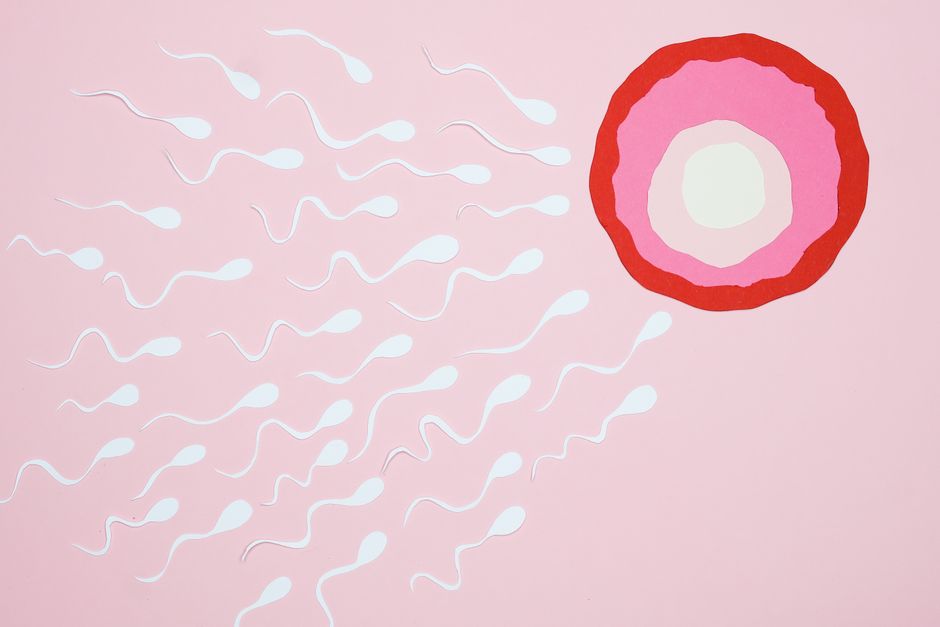
Ovulation is the release of a single mature egg from one ovary, and the egg survives for only about 12 to 24 hours after release. Because sperm can live in the reproductive tract for up to about five days, the fertile window — the days when sex can lead to pregnancy — spans roughly six days: the five days before ovulation plus the day of ovulation itself. Ovulation itself is a brief event, but the fertile days around it are what matter for anyone trying to conceive or avoid pregnancy.
How Long Ovulation Lasts Timing And Fertile Days
Ovulation is not a phase that stretches across several days. It is a single event that happens within minutes to hours when a mature follicle on the ovary ruptures and releases its egg.
The egg then travels into the fallopian tube, where it can be fertilized. If fertilization does not occur, the egg degenerates within about 12 to 24 hours. This short lifespan is why timing matters so much. Sperm, by contrast, can survive in cervical mucus and the fallopian tubes for up to five days under favorable conditions.
That difference in lifespan is the whole basis of the fertile window. Pregnancy is possible from sex that happens up to five days before ovulation, because sperm can wait for the egg. Once the egg is released, the window closes quickly — generally within a day.
The most fertile days are the two days before ovulation and the day of ovulation itself. Conception rates are highest when intercourse occurs in that narrow stretch. Sex earlier in the five-day window can still lead to pregnancy, but the probability tends to be lower the further it falls from ovulation.
What Happens During Ovulation?
Ovulation is the midpoint of the menstrual cycle, triggered by a surge in luteinizing hormone (LH) from the pituitary gland. That surge usually occurs about 24 to 36 hours before the egg is released.
In the first half of the cycle, called the follicular phase, one follicle in an ovary matures under the influence of follicle-stimulating hormone (FSH). As it grows, it produces estrogen. When estrogen reaches a high enough level, it triggers the LH surge. The follicle then ruptures, releasing the egg.
After release, the empty follicle becomes a structure called the corpus luteum. It produces progesterone, which thickens the uterine lining to prepare for a possible pregnancy. If no pregnancy occurs, the corpus luteum breaks down, progesterone falls, and menstruation begins. This second half of the cycle, the luteal phase, is fairly consistent from person to person — typically around 14 days, though it can range from about 11 to 17 days.
The follicular phase is far more variable. That is why cycle length differs so much between individuals, and even from month to month in the same person.
How Do You Know When You Are Ovulating?
There is no single reliable sign that confirms ovulation, but several body changes tend to cluster around it. Tracking more than one can improve accuracy.
- Cervical mucus changes. As estrogen rises, mucus becomes clearer, wetter, and stretchier — often compared to raw egg white. This type of mucus helps sperm survive and travel.
- Basal body temperature. After ovulation, progesterone raises resting body temperature slightly. A sustained rise of a few tenths of a degree, measured first thing each morning, can confirm that ovulation happened — but it appears after the fact, not before.
- LH test strips. These detect the LH surge in urine and can predict ovulation roughly a day or so in advance. They are the most practical at-home predictor for many people.
- Mittelschmerz. Some people feel a one-sided twinge or ache near ovulation. It is not a dependable standalone sign.
Calendar-based methods alone are less reliable, especially for people with irregular cycles. Cycle-tracking apps that rely only on past cycle lengths can be inaccurate because they assume ovulation occurs on the same day each cycle — which is often not the case.


How Long Is the Fertile Window Really?
The fertile window is about six days long: the five days before ovulation plus the day of ovulation. Outside this window, the chance of pregnancy from a single act of intercourse is very low.
This six-day figure comes from studies that measured hormone levels and sperm survival directly. It reflects the maximum span in which pregnancy is biologically possible, not the days when pregnancy is equally likely. The probability rises sharply as ovulation approaches.
For people trying to conceive, this means the days right before ovulation matter most. For people trying to avoid pregnancy, it means the riskiest days are also just before ovulation — which is exactly when calendar methods can fail, because ovulation timing shifts.
One point that is often misunderstood: the fertile window is not the same as the “safe period” some apps display. Ovulation can occur earlier or later than expected in any given cycle, and sperm survival varies. Relying on predicted fertile days alone is not a reliable form of contraception.
When Does Ovulation Happen in the Cycle?
Ovulation typically occurs about 14 days before the next period begins — not necessarily on day 14 of the cycle. This distinction matters.
In a 28-day cycle, ovulation often falls around day 14. But in a 32-day cycle, it is more likely around day 18. In a 24-day cycle, it may be closer to day 10. The luteal phase stays relatively fixed, so ovulation shifts earlier or later depending on how long the follicular phase runs.
This is why counting from the first day of your period is only a rough guide. It works reasonably well for people with very regular cycles and less well for everyone else. Stress, illness, travel, significant weight change, and hormonal conditions can all delay ovulation.
Can You Ovulate More Than Once in a Cycle?
In most cycles, only one egg is released. A single ovulation event is the norm.
However, two eggs can be released within a short span — usually within 24 hours of each other — in some cycles. This is one way fraternal (non-identical) twins occur. It is not the same as ovulating on separate days weeks apart, which is not how the cycle works.
The idea that a person can ovulate at completely different times in the same cycle, and therefore get pregnant from sex on almost any day, is not supported. The fertile window stays anchored to the actual ovulation event.
What Can Delay or Prevent Ovulation?
Ovulation can be delayed, irregular, or absent for many reasons. When ovulation does not happen, pregnancy cannot occur that cycle.
- Polycystic ovary syndrome (PCOS). A common hormonal condition that can interfere with regular ovulation.
- Thyroid problems. Both an underactive and overactive thyroid can disrupt the hormonal signals that drive ovulation.
- High stress or significant weight change. Severe stress, very low body weight, or rapid weight loss can suppress ovulation.
- Perimenopause. As ovarian function declines, cycles often become irregular and ovulation less predictable.
- Intense exercise or low energy availability. In some people, this disrupts the hormonal cycle.
If cycles are consistently very irregular, very long, or absent, that is worth discussing with a clinician. It can reflect an underlying condition that affects both fertility and general health.
Does Ovulation Pain or Discharge Confirm It?
No single symptom confirms ovulation on its own. Cervical mucus changes and mittelschmerz are useful clues, but neither proves an egg was released.
The most reliable at-home confirmation is a sustained rise in basal body temperature after the event. The most reliable prediction is an LH surge detected by urine test strips. Used together, they give a clearer picture than either alone.
For anyone with irregular cycles, or who has been trying to conceive without success, a clinician can confirm ovulation through blood tests or ultrasound. Those methods are more accurate than any at-home tracking.
Frequently Asked Questions
How many days does ovulation last?
Ovulation itself lasts only minutes to hours — the egg is released in a single event. The egg then survives for about 12 to 24 hours, which is the full extent of the fertile window after release.
How many days before ovulation can you get pregnant?
Pregnancy is possible from sex up to about five days before ovulation, because sperm can survive that long in the reproductive tract. Adding the day of ovulation gives a fertile window of roughly six days.
Can you get pregnant after ovulation?
Once the egg has degenerated, which happens within about 12 to 24 hours, pregnancy is no longer possible that cycle. Sex after that point cannot lead to pregnancy until the next ovulation.
Is day 14 always the day you ovulate?
No. Day 14 is only typical for a 28-day cycle. Ovulation usually occurs about 14 days before the next period, so it shifts earlier or later depending on your cycle length.
