
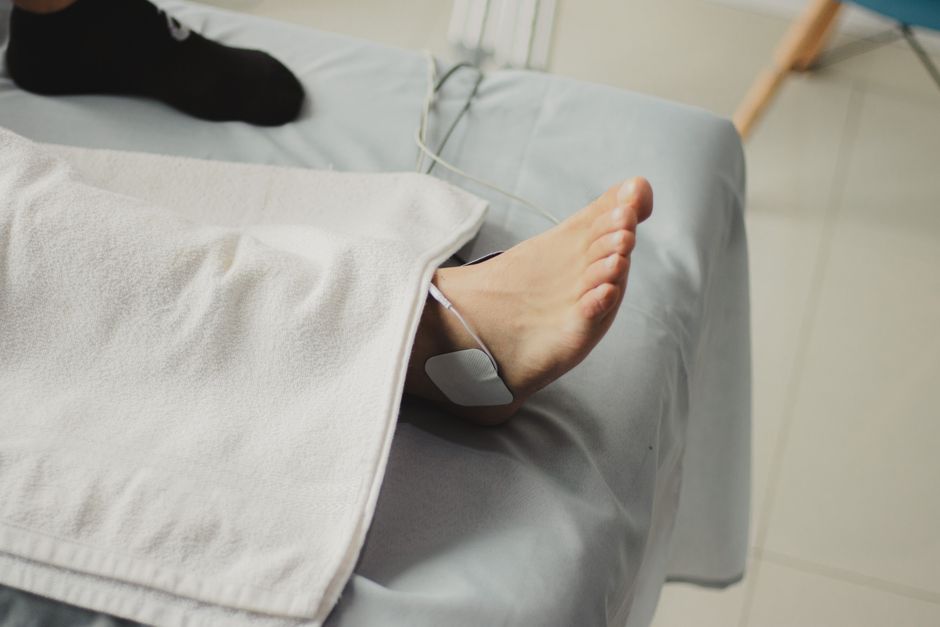
Nighttime leg cramps are sudden, tight, and painful muscle spasms that yank you out of sleep. They most often strike the calf, but they can also hit the foot or thigh. The good news is that most people can reduce or stop these cramps with a few simple, evidence-based strategies. Stretching the muscle, staying hydrated, and addressing any underlying mineral or medical issues are the most effective ways to stop leg and foot cramps at night. For most people, a consistent nightly stretching routine is the single most reliable fix.
What Causes Leg and Foot Cramps at Night?
Experts do not fully agree on one single cause. The medical term is nocturnal leg cramps, and they are incredibly common. About 60% of adults report experiencing them at some point.
The exact mechanism is still debated. The leading theory is that nerves fire abnormally during sleep, causing the muscle to contract involuntarily. This is different from restless leg syndrome, which is a strong urge to move the legs. A cramp is a physical tightening of the muscle that you cannot control.
Several factors are linked to a higher risk. These include prolonged sitting during the day, standing for long periods, and muscle fatigue. Dehydration is frequently mentioned, though the research supporting it as a direct cause is not strong. Still, many people find that poor fluid intake makes their cramps worse.
Does Stretching Actually Prevent Night Cramps?
Yes. This is the most well-supported prevention method. Stretching the calf and foot muscles before bed has been shown in clinical studies to reduce both the frequency and the severity of nighttime cramps.
The most effective stretch targets the calf. Stand facing a wall, place your hands on it, and step one foot back. Keep the back heel flat on the floor and bend the front knee. You should feel a pull in the back of the lower leg. Hold for 30 seconds. Repeat three times on each leg.
For foot cramps, a towel stretch works well. Sit on the floor with your legs straight out. Loop a towel around the ball of your foot and gently pull the toes toward your shin. Hold for 30 seconds.
Do these stretches nightly, not just when a cramp hits. Prevention is the goal. Stretching during a cramp is also helpful, but it is harder to do when the muscle is actively spasming.
What Is the Fastest Way to Stop a Cramp When It Happens?
When a cramp strikes, the immediate goal is to stop the spasm. The fastest method is to stretch the muscle in the opposite direction of the contraction.
For a calf cramp, stand up and put weight on the affected leg. Keep the heel down and press the ball of the foot into the floor. If standing is too painful, sit with your leg straight and pull your toes back toward your knee with your hand.
For a foot cramp, the same principle applies. Pull the toes up and back toward the shin. This lengthens the cramped muscle and interrupts the spasm.
Massage can also help. Firmly knead the muscle with your hand. Some people find that applying a warm towel or heating pad relaxes the muscle faster. Others prefer cold. There is no strong evidence that one temperature is better. Use whichever feels best to you.





Do Magnesium and Other Supplements Help?
This is where the evidence gets mixed. Magnesium is the most popular supplement for cramps, but the research does not clearly support it for everyone.
Some studies show that magnesium helps people who have low magnesium levels. However, most people with cramps have normal magnesium levels. For those people, taking extra magnesium does not appear to prevent cramps. A large review of clinical trials found no significant benefit from magnesium for the general population.
That said, magnesium is generally safe for most adults when taken at recommended doses. It is worth discussing with your doctor, especially if you have kidney disease or take certain medications. Do not take high doses without medical supervision.
Potassium and sodium are also often mentioned. Low potassium can cause muscle cramps, but this is usually related to diuretic use or severe dehydration, not a typical diet. Eating a banana or drinking an electrolyte drink is a reasonable step, but it is not a proven cure for chronic nighttime cramps.
When Should You See a Doctor About Leg Cramps?
Night cramps are common and usually harmless. But sometimes they signal a deeper problem. You should see a doctor if the cramps happen frequently enough to disrupt your sleep on a regular basis.
You should also seek medical advice if the cramps are severe, if you notice swelling or redness in the leg, or if the cramps are accompanied by weakness. These could be signs of a blood clot, nerve compression, or a circulation problem.
Certain medications can cause leg cramps. Diuretics, statins, and some blood pressure drugs are known culprits. If your cramps started after a new prescription, talk to your doctor before stopping the medication.
Underlying conditions linked to frequent cramps include diabetes, thyroid disease, and peripheral artery disease. Your doctor can run simple blood tests to check for these.
Are There Lifestyle Changes That Reduce Cramping?
Several daily habits can lower your risk. The evidence for each varies, but together they form a sensible approach.
Hydration matters, though the research is not definitive. Aim for enough fluids so your urine is light yellow. This is a practical guideline, not a strict medical rule. Avoid excessive alcohol in the evening, as it can dehydrate you.
Footwear during the day can play a role. People who wear flat shoes or walk barefoot often experience more foot cramps. Shoes with good arch support may reduce strain on the foot muscles. Some podiatrists recommend this, though large trials are lacking.
Adjust your sleeping position. If you sleep on your back with your toes pointing down, the calf muscle is shortened. This can make cramps more likely. Sleeping on your side with your knees slightly bent may help. If you sleep on your back, place a pillow under your knees to keep your feet at a neutral angle.
Regular daily exercise is protective. Walking, cycling, or swimming keeps muscles conditioned. But be careful not to overdo it. Extreme muscle fatigue from intense exercise can trigger cramps at night.
What About Quinine and Other Old Remedies?
Quinine was once a standard treatment for leg cramps. It is no longer recommended. In 2010, the U.S. Food and Drug Administration warned against using quinine for cramps due to serious side effects, including heart rhythm problems and low blood platelets.
Some over-the-counter products still contain small amounts of quinine, but the evidence for effectiveness is weak. Do not use these products without discussing them with your doctor.
Other home remedies include pickle juice and mustard. These are popular among athletes. The theory is that the vinegar or mustard triggers a nerve reflex that stops the cramp. Some small studies suggest pickle juice may shorten cramp duration, but the evidence is limited. These are harmless to try, but do not expect them to prevent future cramps.
Frequently Asked Questions
Why do I get leg cramps at night even when I drink enough water?
Dehydration is only one possible trigger, and it is not the most common cause. Muscle fatigue, nerve activity during sleep, and certain medications are all stronger contributors.
Can low vitamin D cause leg cramps at night?
Some research suggests a link between low vitamin D and muscle cramps, but the evidence is not strong enough to confirm a direct cause. If you have other symptoms of low vitamin D, ask your doctor about a blood test.
Is it safe to take magnesium every night for leg cramps?
Magnesium is safe for most healthy adults at recommended doses, but it does not help everyone. Check with your doctor first if you have kidney disease or take heart medications.
Are night leg cramps a sign of heart problems?
Occasional cramps are not a sign of heart disease. However, leg pain with swelling, redness, or warmth can indicate a blood clot and requires immediate medical attention.
