
Menstrual cramps happen when the uterus contracts to shed its lining. For most people, over-the-counter ibuprofen taken at the first sign of pain is the most effective first step. Heat therapy, gentle movement, and certain dietary adjustments also help. The key is knowing what causes the pain and which remedies have real evidence behind them.
What Actually Causes Menstrual Cramps?
The direct cause is a group of chemicals called prostaglandins. Your body releases them right before your period starts. Prostaglandins make the uterine muscle contract harder and longer than usual. Stronger contractions squeeze blood vessels, cutting off oxygen to the muscle tissue. That lack of oxygen is what you feel as pain.
Higher prostaglandin levels mean more severe cramps. Research published in the journal Obstetrics & Gynecology found that people with painful periods have significantly higher prostaglandin levels than those who don’t. The pain typically starts 24 to 48 hours before bleeding begins and peaks within the first few days.
Other factors can make cramps worse. A tilted uterus, endometriosis, fibroids, or pelvic inflammatory disease all increase pain. But for most people, the cramps are primary dysmenorrhea — meaning the pain comes from normal uterine contractions without any underlying disease.
What Helps With Menstrual Cramps Causes And Relief — What the Research Shows
Nonsteroidal anti-inflammatory drugs (NSAIDs) are the most studied and effective option. Ibuprofen and naproxen work by blocking the enzymes that produce prostaglandins. The Cochrane Database of Systematic Reviews analyzed 80 trials and found NSAIDs significantly reduce menstrual pain compared to placebo. They work best when taken at the first twinge of pain, before prostaglandin levels peak.
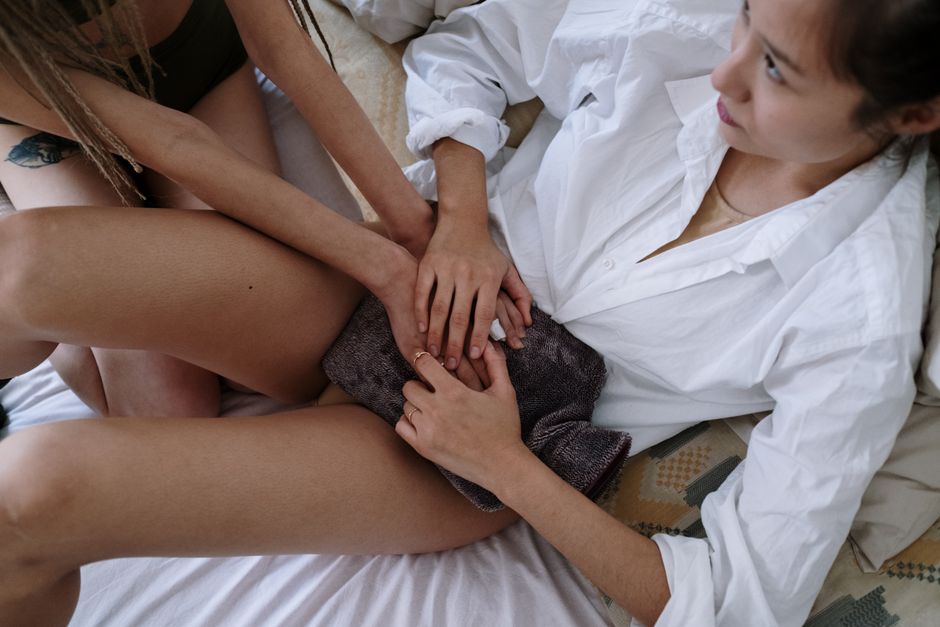
Heat therapy has surprisingly strong evidence. A 2018 study in the Journal of Women’s Health compared heat patches to ibuprofen for menstrual cramps. Both worked equally well. The heat relaxes uterine muscle and increases blood flow. A heating pad, hot water bottle, or warm bath all do the same thing. The effect is not imaginary — it is measurable.
Exercise is another evidence-backed option. A systematic review in BMC Complementary and Alternative Medicine found that 30 minutes of aerobic exercise three times per week reduced cramp severity. The reason is likely improved blood flow and lower prostaglandin levels. Light walking, swimming, or cycling during your period can help. You do not need intense workouts.
| Relief Method | How It Works | Strength of Evidence |
|---|---|---|
| NSAIDs (ibuprofen, naproxen) | Blocks prostaglandin production | Strong — Cochrane review of 80 trials |
| Heat therapy | Relaxes uterine muscle, increases blood flow | Strong — equivalent to ibuprofen in one trial |
| Exercise | Improves circulation, lowers prostaglandins | Moderate — systematic review supports it |
| Dietary changes | Reduces inflammation | Moderate — some trials, more research needed |
Which Supplements and Herbal Remedies Actually Work?
Some supplements have real evidence. Magnesium is the best studied. A 2015 review in Nutrients found that magnesium supplements reduced cramp severity and duration. The typical dose used in studies is 200-400 mg per day, started a few days before your period. Magnesium relaxes smooth muscle, including the uterus.
Ginger has multiple small trials behind it. A 2009 study in the Journal of Alternative and Complementary Medicine found that ginger powder capsules reduced pain as effectively as ibuprofen in one trial. The dose was 250 mg four times daily for the first three days of the period. The evidence is not as strong as for NSAIDs, but it is promising for people who prefer plant-based options.
Vitamin B1 (thiamine) also has some support. A small randomized trial found that 100 mg daily reduced menstrual pain after two months. The mechanism is not fully understood. It may involve improved nerve function or reduced muscle tension.
What does not have good evidence? Raspberry leaf tea is widely claimed to help, but clinical trials are very limited. Chasteberry (vitex) has mixed results. Cramp bark is used in herbal medicine but has almost no modern clinical research. Some people report benefits from these, but you should not expect reliable relief from them alone.




What to Avoid When You Have Cramps
Caffeine can make cramps worse. It constricts blood vessels, which reduces blood flow to the uterus. That worsens the oxygen shortage that causes pain. Coffee, black tea, and energy drinks are the main sources. If you are in pain, switching to herbal tea or water for a few days makes sense.
Alcohol is also problematic. It dehydrates you and can increase prostaglandin production in some people. It also interferes with sleep, and poor sleep makes pain feel worse. A 2014 study in the Journal of Women’s Health found that sleep deprivation increased pain sensitivity significantly.
Salty foods can increase water retention. That does not directly cause cramps, but the bloating can make the discomfort feel worse. Processed foods, chips, and fast food are the biggest sources of excess sodium. Cutting back during your period may help you feel less puffy and uncomfortable.
Smoking is strongly linked to more severe cramps. A large study in Epidemiology found that smokers had a 50% higher risk of severe menstrual pain compared to nonsmokers. The nicotine constricts blood vessels and may alter hormone levels. If you smoke, quitting is one of the most effective things you can do for period pain.
When Should You See a Doctor About Cramps?
Most cramps are normal and manageable at home. But some signs point to a deeper problem. See a doctor if your pain does not improve with NSAIDs or heat. Also go if the pain gets worse over time, or if it interferes with your normal activities every month.
Other red flags include pain that starts after age 25 when you did not have it before. That can signal endometriosis or fibroids. Heavy bleeding, bleeding between periods, or pain during sex also warrant a checkup. The American College of Obstetricians and Gynecologists recommends an evaluation if period pain keeps you from school or work regularly.
Endometriosis affects about 10% of people with uteruses, according to the World Health Organization. It is often underdiagnosed because people assume severe cramps are normal. They are not. If you are missing days of your life every month, that is worth investigating. Treatments beyond NSAIDs exist, including hormonal birth control, prescription pain medications, and surgery in severe cases.
Common Misconceptions About Menstrual Cramps
One widespread myth is that cramps are “all in your head.” They are not. Prostaglandins are measurable chemicals that cause real physical pain. The idea that mental attitude determines cramp severity has no scientific basis. Pain is pain.
Another misconception is that having children cures cramps. Some people do experience less pain after pregnancy. But many do not. The uterine muscle stretches during pregnancy, which can reduce contraction intensity for some. But there is no guarantee, and it is not a reason to have a child.
Some people believe that you should not exercise during your period. The opposite is true. Light to moderate exercise reduces pain. You do not need to push through intense workouts if you do not feel like it. But staying still on the couch often makes cramps worse because blood flow slows down.
Finally, the idea that you must suffer through cramps every month is false. Effective treatments exist. If your current approach is not working, try something different. Combine heat with NSAIDs. Add magnesium. Cut caffeine for a few days. Most people can find significant relief with the right combination.
Frequently Asked Questions
How long do menstrual cramps usually last?
Most cramps last 1 to 3 days, starting just before or at the beginning of your period. They typically stop once bleeding becomes lighter.
Can birth control pills help with menstrual cramps?
Yes. Hormonal birth control reduces prostaglandin production by thinning the uterine lining. Many people report significantly less pain after starting the pill.
Is it safe to take ibuprofen every month for cramps?
Taking ibuprofen for 1-3 days per month is generally safe for most people. Do not exceed the recommended dose and take it with food to protect your stomach.
Does orgasm help relieve menstrual cramps?
Some people report relief because orgasm releases endorphins and increases blood flow. The evidence is mostly anecdotal, but it is a low-risk option to try.
