
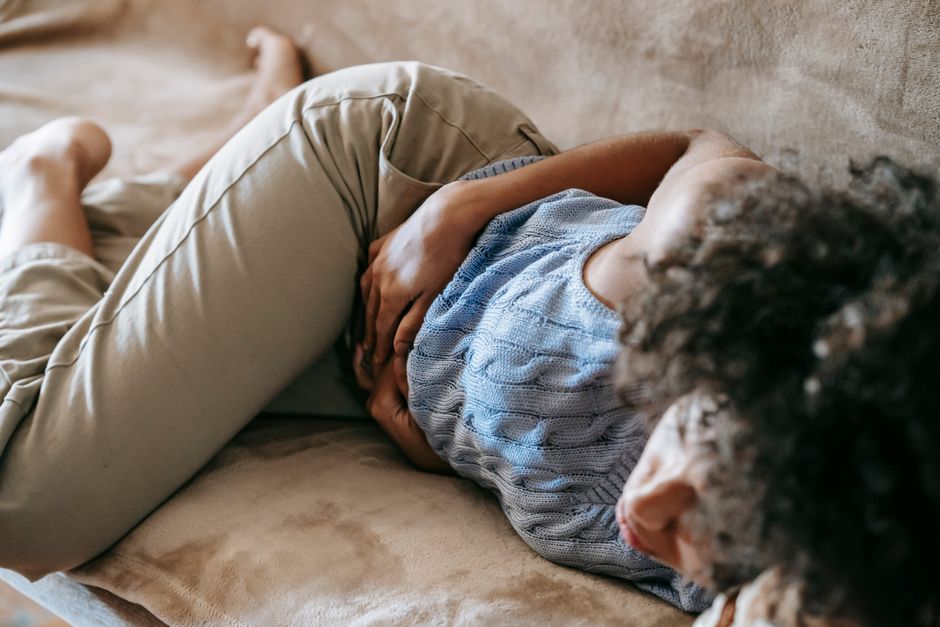
Most cramps stop within seconds to minutes once you stretch the muscle and apply gentle pressure. The fastest approach is to lengthen the cramped muscle slowly while pressing on it firmly. For leg cramps, flex your foot upward toward your shin. For hand cramps, gently extend your fingers backward. Cramps happen when a muscle contracts and will not relax. The goal is to signal the muscle to let go. Heat helps relax tight muscles. Cold reduces pain if the muscle stays sore after the cramp ends. Drink water if dehydration might be the cause. Most cramps resolve on their own without medical help.
What Exactly Causes a Muscle Cramp?
A muscle cramp is a sudden, involuntary contraction that will not release. The muscle fibers fire uncontrollably. This creates the intense pain you feel. The exact mechanism is not fully understood, but researchers have identified several triggers.
Dehydration is a common cause. When your body loses fluids and electrolytes like sodium, potassium, and magnesium, nerve signals to muscles can misfire. The National Institutes of Health notes that electrolyte imbalances disrupt the normal communication between nerves and muscles.
Overuse or fatigue also plays a big role. Muscles that are tired from exercise or repetitive activity are more likely to cramp. This is especially true if you push a muscle past its normal range of motion without proper conditioning.
Poor blood flow can cause cramps, particularly in the legs during sleep. When blood vessels narrow, muscles do not get enough oxygen. This triggers pain and contraction. Sitting or standing in one position for too long can reduce blood flow and lead to cramping.
Some medications list cramps as a side effect. Diuretics, statins, and asthma drugs like albuterol are known culprits. If you started a new medication and noticed more cramps, talk to your doctor about it.
What Is the Fastest Way to Stop a Cramp Right Now?
The fastest way to stop a cramp is to stretch the muscle in the opposite direction of the contraction. This interrupts the spasm by telling the muscle to lengthen. Hold the stretch gently. Do not bounce or force it. The cramp should release within 30 to 60 seconds.
For a calf cramp, stand up and put your weight on the affected leg. Slowly bend your knee while keeping your heel on the floor. This stretches the calf muscle. If standing is not possible, sit down and pull your toes toward your shin with a towel or your hand.
For a foot cramp, curl your toes upward and massage the arch of your foot with your thumb. For a hand cramp, extend your fingers straight and gently pull them back with your other hand. For a thigh cramp, sit down and pull your heel toward your buttock if the cramp is in the front of your thigh. Straighten your leg if the cramp is in the back.
Massage the cramped muscle while you stretch. Use firm, circular pressure with your thumb or knuckles. This increases blood flow to the area and helps the muscle relax. Some people find that pinching the upper lip helps. There is no strong evidence for this, but it is harmless to try.
Apply heat if the muscle stays tight after the cramp stops. A warm towel, heating pad, or hot shower can keep the muscle from cramping again. Apply cold if the muscle remains sore. Ice wrapped in a cloth reduces inflammation and numbs the pain.
How Do You Help Cramps That Keep Coming Back?
Recurring cramps need a different approach than a single cramp. You want to address the underlying cause rather than just treating each episode. Start by looking at your hydration and electrolyte intake.
Drink water consistently throughout the day, not just when you feel thirsty. The color of your urine is a useful guide. Pale yellow means you are well hydrated. Dark yellow or amber means you need more fluids. For people who exercise heavily or sweat a lot, adding an electrolyte drink can help restore sodium and potassium levels.
Stretching before bed can reduce nighttime leg cramps significantly. A study published in the Journal of Physiotherapy found that people who stretched their calves and hamstrings before sleep had 59 percent fewer nighttime cramps. The routine took less than three minutes. Stand facing a wall, place your hands on the wall, and step one foot back. Keep the back leg straight and the heel on the floor. Hold for 30 seconds. Repeat three times on each leg.
Strengthening the muscles around the cramp-prone area can help too. Weak muscles fatigue faster and cramp more easily. Simple calf raises, toe curls, and ankle rotations done daily can build endurance and reduce cramp frequency.
Check your sleeping position. Sleeping with your toes pointed downward shortens the calf muscles and makes them more likely to cramp. Sleeping on your back with a pillow under your knees or on your side with your knees slightly bent keeps the calf muscles in a neutral position.


What Does Research Say About Magnesium for Cramps?
Magnesium is one of the most popular supplements for cramps. The idea makes sense biologically. Magnesium helps muscles relax after contraction. Low magnesium levels can cause muscle irritability and spasms. But the research results are mixed.
A 2020 review in the journal Nutrients analyzed 11 studies on magnesium for muscle cramps. The researchers found that magnesium supplements helped reduce cramp frequency in pregnant women. For older adults and people with exercise-related cramps, the evidence was weak. Most studies did not show a significant benefit over placebo.
Magnesium seems to work best for people who are already deficient. If your magnesium levels are normal, taking more will probably not help. Blood tests can check your magnesium status. Foods rich in magnesium include almonds, spinach, black beans, pumpkin seeds, and bananas. Getting magnesium from food is safer than taking high-dose supplements.
Too much magnesium from supplements can cause diarrhea, nausea, and stomach cramps. Magnesium citrate and magnesium glycinate are better absorbed than magnesium oxide. Do not exceed the recommended daily allowance of 400 to 420 milligrams for men and 310 to 320 milligrams for women unless your doctor advises otherwise.
What Should You Avoid When Treating Cramps?
Some common remedies for cramps do not work and can even make things worse. Avoid the urge to use a heating pad on a muscle that is still actively cramping. Heat increases blood flow, which can intensify the contraction. Wait until the cramp stops, then use heat to prevent it from returning.
Do not drink pickle juice for cramps if you have high blood pressure. Pickle juice is high in sodium. While some athletes swear by it, the evidence is limited. A 2014 study in Medicine & Science in Sports & Exercise found that pickle juice relieved cramps faster than water, but only by about 45 seconds. The effect may come from triggering a nerve reflex in the throat, not from replacing electrolytes.
Avoid tonic water for cramps. Tonic water contains quinine, which was once prescribed for leg cramps. The FDA has warned against using quinine for cramps because of serious side effects including heart rhythm problems and low blood platelets. Over-the-counter tonic water has very little quinine anyway, so it will not help.
Do not massage a cramp aggressively. Firm pressure is fine. Poking, jabbing, or kneading too hard can bruise the muscle and make the soreness last longer. Gentle, sustained pressure works better than rough manipulation.
Avoid sudden, forceful stretching. You want to lengthen the muscle slowly. Jerking or pulling too hard can tear muscle fibers. The goal is to convince the muscle to relax, not to overpower it.
When Should You See a Doctor About Cramps?
Most cramps are harmless and do not require medical attention. But some situations warrant a visit to your doctor. If cramps happen frequently and disrupt your sleep or daily activities, it is worth getting checked out.
See a doctor if your cramps are accompanied by swelling, redness, or warmth in the affected area. These could be signs of deep vein thrombosis, a blood clot that requires immediate treatment. Cramps that occur after taking a new medication should also be discussed with your prescriber.
Muscle cramps that affect multiple parts of your body at the same time may point to an underlying condition like thyroid disease, nerve compression, or metabolic disorders. A simple blood test can rule out many of these causes.
If cramps come with muscle weakness, numbness, or loss of function, do not wait. These symptoms could indicate a nerve problem or electrolyte imbalance severe enough to need medical intervention. The same applies if you notice your urine is dark brown after a severe cramp. This can signal rhabdomyolysis, a condition where muscle tissue breaks down and releases harmful proteins into your bloodstream.
| Remedy | How It Works | Evidence Level |
|---|---|---|
| Stretching | Lengthens the contracted muscle | Strong – multiple clinical studies |
| Massage | Increases blood flow and relaxes muscle fibers | Moderate – widely reported effective |
| Heat | Relaxes tight muscles after cramp ends | Moderate – supported by physiology |
| Magnesium supplements | Helps muscles relax at cellular level | Weak for most people; strong for deficiency |
| Pickle juice | Triggers nerve reflex in throat | Weak – minimal benefit over water |
| Tonic water | Contains quinine | None – FDA warns against quinine for cramps |
If you have tried stretching, hydration, and electrolyte balance and still get cramps several times a week, a doctor may prescribe a muscle relaxant or recommend physical therapy. Some people benefit from nerve studies to check for conditions like peripheral neuropathy. Do not assume cramps are just a nuisance. They can be a signal from your body that something needs attention.
Common Misconceptions About Cramps
One widespread myth is that cramps only happen to athletes or older people. Cramps can happen to anyone at any age. Children get leg cramps during growth spurts. Pregnant women get them from hormonal changes and increased blood volume. Office workers get them from sitting in one position too long.
Another myth is that drinking more water always prevents cramps. While dehydration is a trigger, overhydration can also cause cramps. Drinking too much water without enough electrolytes dilutes the sodium in your blood. This can cause muscle cells to swell and misfire. Balance matters more than volume.
Some people believe that cramps are always caused by a mineral deficiency. This is not true. Muscle fatigue, poor circulation, nerve compression, and medication side effects are all common causes that have nothing to do with what you eat or drink. Supplementing blindly can waste money and cause side effects.
The idea that eating bananas prevents cramps is overblown. Bananas contain potassium, which helps muscle function. But most people get enough potassium from their diet. Eating a banana right before a cramp will not stop it because potassium takes hours to absorb. A banana as part of a balanced diet is fine. It is not a cure for cramps.
Frequently Asked Questions
Frequently Asked Questions
Does drinking water help prevent cramps?
Yes, staying hydrated reduces cramp risk, but it is not a guarantee. Balance your water intake with enough electrolytes from food or drinks.
Can stress cause muscle cramps?
Yes, stress can cause muscle tension and shallow breathing that leads to cramps. Relaxation techniques and deep breathing may help reduce frequency.
Is it safe to exercise with a cramp?
No, stop exercising immediately when a cramp hits. Stretch the muscle gently and rest until the cramp fully resolves before resuming activity.
Do cramps mean something is wrong with my nerves?
Not usually, but frequent cramps with numbness or weakness may indicate a nerve issue. See a doctor if these symptoms occur together.
