
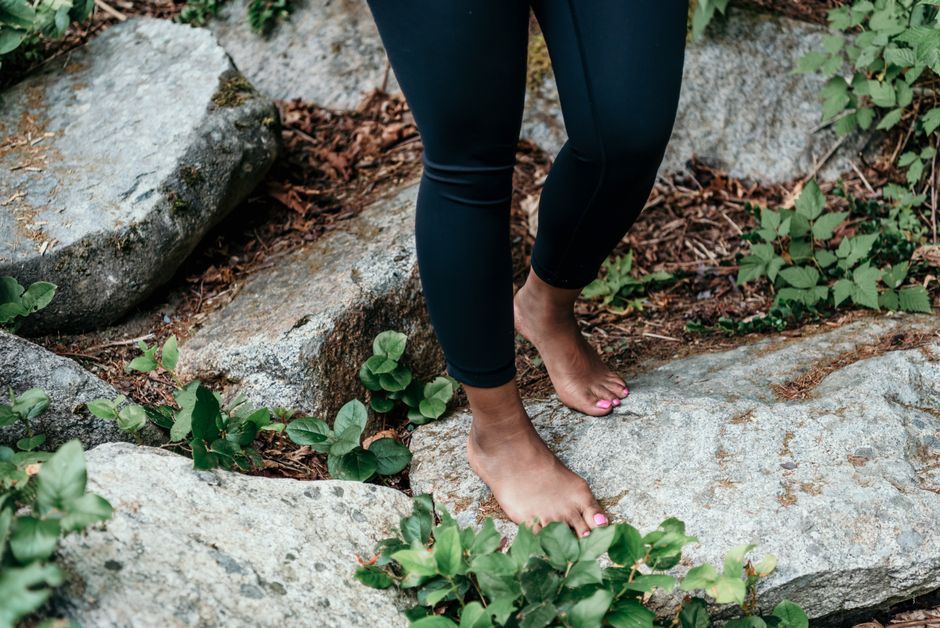
Foot blisters form when repeated friction causes the upper layers of skin to separate and fluid collects in the gap beneath them. You stop them by removing the friction or the moisture that makes skin more vulnerable — usually with properly fitted footwear, moisture-wicking socks, and early attention to the hot spots that warn you a blister is forming. Once a blister has already formed, the goal shifts from prevention to protecting the skin so it can heal without infection.
What Actually Causes a Blister to Form?
A blister is a mechanical injury, not a skin condition. Three forces have to come together: friction, shear, and moisture. Friction is the rubbing itself. Shear is the deeper tugging that happens when the skin sticks to a sock or shoe surface while the bone underneath keeps moving. Moisture — from sweat or a wet sock — softens the outer layer of skin and makes it separate from the layers below more easily.
When those forces repeat over enough steps, the top layer of skin (the epidermis) tears away from the layer beneath it. The body fills the gap with fluid to cushion the damaged tissue. That fluid is mostly plasma, and the blister roof is intact skin. This is why a blister is painful but usually not an open wound at first — the roof is doing its job as a natural dressing.
Heat and moisture build up inside shoes during activity. That is why blisters tend to appear on people who walk or run long distances, wear new shoes, or wear shoes that do not match the shape of their feet. A shoe that fits well in the store can still cause blisters if the foot swells during activity or if the sock bunches up.
How To Stop Getting Blisters On Your Feet Before They Start
Prevention works best when you address friction, moisture, and fit at the same time. Fixing only one of the three usually leaves the door open.
Get the fit right. Shoes should have roughly a thumb’s width of space between the longest toe and the front of the shoe. A shoe that is too tight presses skin against the shoe wall. A shoe that is too loose lets the foot slide, which creates the shear that separates skin layers. Both cause blisters.
Break in new shoes gradually. New footwear is stiff and does not yet match the shape of your foot. Wearing new shoes for short periods before long walks or runs gives the material time to soften and the shoe time to mold to your foot.
Choose socks that manage moisture. Synthetic materials like polyester, nylon, and acrylic wick sweat away from the skin better than cotton. Cotton holds moisture against the foot, which softens skin and raises blister risk. Some socks are made with two layers that slide against each other instead of against your skin — the friction happens between the sock layers rather than on your foot.
Keep feet dry. Change socks when they get wet. On long hikes or walks, a mid-activity sock change can make a real difference. Some people apply a thin layer of petroleum jelly or a similar lubricant to high-risk areas before activity. This is a common practice and some evidence supports it, but it is not a guaranteed fix and it can make some people’s skin more prone to softening.
Use tape or patches on known hot spots. If you know from experience where you blister, covering that area before activity with athletic tape, moleskin, or a blister-prevention patch can reduce friction on the skin. The key is applying it smoothly with no wrinkles, because a wrinkled patch creates its own friction point.
Are Some People More Prone to Blisters Than Others?
Yes. Blister risk is not the same for everyone, even in identical shoes and conditions.
Feet that sweat heavily stay moist, which softens skin and lowers the friction needed to cause separation. People with bony prominences — a prominent heel, a bunion, a tailor’s bunion on the outside of the foot — have spots where pressure concentrates. Foot shape matters too. A wide forefoot in a narrow shoe, or a narrow heel in a wide heel cup, creates sliding.
Some medical conditions increase blister risk. Diabetes can reduce sensation in the feet, so a person may not feel a blister forming until it is advanced. Circulation problems slow healing. Certain skin conditions make the skin more fragile. If you have diabetes or reduced feeling in your feet, foot care and footwear deserve extra attention, and any blister or wound should be checked by a clinician rather than managed at home.


What Should You Do When You Feel a Hot Spot?
Stop and treat it. A hot spot — that warm, tender, rubbing sensation — is the warning sign that skin separation is starting. Acting at this stage can prevent a full blister.
- Stop activity and remove your shoe and sock.
- Dry the area if it is wet.
- Apply a patch, tape, or moleskin over the spot with no wrinkles.
- Check that nothing inside the shoe is bunched or protruding.
- If you can, change into dry socks before continuing.
If you keep going without addressing a hot spot, the friction continues and the blister forms. The earlier you act, the better your odds of walking away without one.
How Do You Treat a Blister That Has Already Formed?
Most blisters heal on their own in a few days if you leave the roof intact and protect the area from further friction. The fluid inside is sterile, and the roof of the blister is intact skin that keeps bacteria out.
Do not pop a blister unless a clinician tells you to. Popping opens a wound, introduces infection risk, and removes the natural protective covering. This is especially important for people with diabetes or circulation problems, where foot infections can become serious.
To protect a blister while it heals:
- Cover it with a loose bandage or a hydrocolloid dressing, which cushions and keeps the area moist.
- Avoid the shoes and activity that caused it until it heals.
- Keep the area clean and dry.
- Watch for signs of infection: increasing redness, warmth, swelling, pus, or a red streak spreading from the area.
If a blister is very large, extremely painful, or in a spot where you cannot avoid pressure, some clinicians will drain it under sterile conditions. This is a clinical procedure, not something to do at home with a needle. If you have diabetes, poor circulation, or a weakened immune system, contact a clinician rather than self-treating.
When Should You See a Doctor About a Foot Blister?
See a clinician if the blister shows signs of infection, if you have diabetes or reduced sensation in your feet, or if a blister is not healing after several days. A blister that becomes increasingly painful, develops pus, or is surrounded by spreading redness needs medical attention.
People with diabetes should treat any foot blister as a medical matter. Reduced sensation means a blister can go unnoticed and worsen. Poor circulation means healing is slower and infection risk is higher. The same applies to anyone with a condition that affects wound healing or immune function.
Blood-filled blisters — where the fluid is dark red or black rather than clear — should also be evaluated, because they can indicate deeper tissue damage.
Which Prevention Methods Actually Work?
Not every product marketed for blister prevention has strong evidence behind it. Here is an honest look at what the research supports.
| Method | Evidence level | Notes |
|---|---|---|
| Properly fitted footwear | Well established | Reduces both pressure and sliding |
| Moisture-wicking socks | Well established | Synthetic fibers move sweat away from skin |
| Two-layer (double) socks | Some evidence | Friction shifts between sock layers |
| Lubricants (petroleum jelly) | Some evidence | Common practice; effect varies by person |
| Paper tape on hot spots | Some evidence | Must be applied smoothly |
| Moleskin and patches | Common practice | Widely used; strong trial evidence is limited |
| Antiperspirant on feet | Some evidence | Reduces sweating, which reduces softening |
| Breaking in new shoes | Common practice | Widely recommended; limited formal trials |
The strongest prevention comes from fit, moisture control, and early action on hot spots. Everything else is a supporting measure. No single product guarantees you will not blister, and anyone claiming otherwise is overstating the evidence.
Frequently Asked Questions
Should I pop a blister on my foot?
No. Popping a blister opens a wound and raises infection risk, and the intact roof is a natural protective covering. Let it heal on its own unless a clinician advises otherwise.
How long does a foot blister take to heal?
Most blisters heal within a few days to about a week if you protect the area and avoid further friction. Blisters that are not healing, or that show signs of infection, need medical attention.
What is the fastest way to stop a blister from forming?
Act at the hot spot. Stop, dry the area, and cover it smoothly with tape or a patch before the skin separates. Addressing friction early is the most reliable way to prevent a full blister.
Are cotton socks bad for blisters?
Cotton holds moisture against the skin, which softens it and makes blisters more likely. Synthetic moisture-wicking socks keep feet drier and are generally a better choice for activity.
