
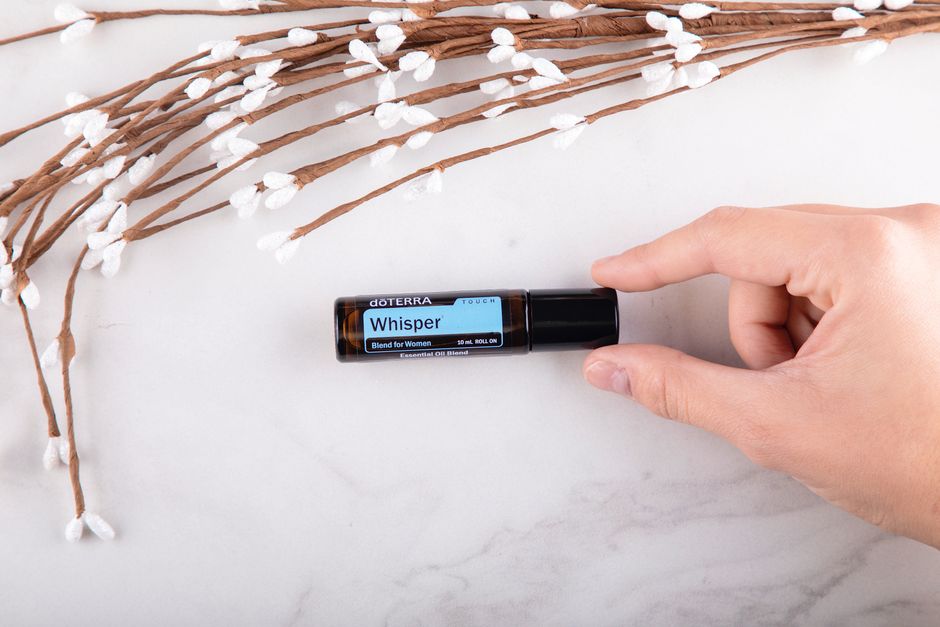
Yes, essential oils can expire. Most last roughly one to three years when stored properly, though that range shifts depending on the oil, how it was made, and how it has been kept. The shelf life is not infinite, and an old bottle will not smell or perform the way a fresh one does.
What changes is not usually spoilage in the way food spoils. Essential oils are concentrated plant compounds, and over time those compounds react with oxygen and light. The result is a gradual decline in quality, not a sudden switch from safe to unsafe. Understanding what actually happens helps you decide what to keep and what to toss.
What Actually Happens When Essential Oil Expires?
Essential oils break down through a process called oxidation. When oxygen in the air reacts with the chemical compounds in the oil, those compounds change into different ones. This is the same basic chemistry that turns butter rancid or makes an old perfume smell sharp.
The molecules most vulnerable are the ones that give an oil much of its character. Citrus oils are packed with limonene, a compound that oxidizes fairly quickly. That is why a lemon or orange oil tends to go off faster than a woody oil like cedarwood or sandalwood.
Three things drive this breakdown:
- Oxygen — every time you open the bottle, fresh air gets in
- Light — ultraviolet light speeds up chemical reactions
- Heat — warm temperatures accelerate oxidation
What you notice first is usually the smell. A fresh citrus oil smells bright and clean. An oxidized one smells flat, waxy, or vaguely like furniture polish. The color may darken. The liquid may thicken. None of these changes mean the oil has turned into something dangerous, but they do mean it is no longer the product you bought.
How Long Do Essential Oils Last?
There is no single answer because different plant families produce chemically different oils. The general pattern is that citrus and other light, volatile oils have the shortest shelf life, while heavier oils from resins, woods, and roots last the longest.
These figures are general industry guidance rather than clinical standards. They assume the bottle is sealed, kept in a cool dark place, and opened only occasionally.
| Oil Type | Typical Shelf Life |
|---|---|
| Citrus (lemon, orange, lime, grapefruit) | About 1 to 2 years |
| Floral and herbaceous (lavender, tea tree, peppermint) | About 2 to 3 years |
| Woody and resinous (cedarwood, frankincense, sandalwood) | About 3 to 4 years or longer |
These are rough ranges, not hard rules. A bottle of lemon oil kept in a cool cupboard might hold up longer than a bottle of lavender oil left on a sunny windowsill. Storage often matters more than the oil type itself.
One thing worth knowing: dilution can shorten shelf life further. An oil already blended into a carrier oil, such as jojoba or almond oil, is now a mixture of two things that can both degrade. Those blends tend to have a shorter usable window than the pure oil would on its own.
Does Expired Essential Oil Become Dangerous?
An expired essential oil is not the same as spoiled food. It will not grow mold or bacteria the way a forgotten container of leftovers will. The main concern is skin sensitivity, not infection.
As oils oxidize, they form new compounds that the skin can react to. Some of these are known irritants. This is why an oil that felt fine a year ago might cause redness or itching now, even at the same dilution. The oil did not become toxic. Your skin is reacting to a chemical that was not there before.
The evidence on how often this happens is limited. Anecdotal reports and some dermatology literature describe increased sensitization with aged oils, particularly citrus oils, but large controlled studies are not available. What is clear is that oxidation products are more likely to irritate skin than the fresh compounds they replace.
Some people report that oxidized oils cause a stronger reaction after repeated use rather than on first contact. This is a known pattern with skin sensitizers in general, though again, the specific data for aged essential oils is thin.
If you have sensitive skin, eczema, or a history of reactions to fragrances, using an old oil is a reasonable thing to avoid. For everyone else, the honest position is that the risk is real but not well quantified.




How Can You Tell If Essential Oil Has Gone Bad?
Your nose is the most reliable tool you have. A change in scent is the first and clearest sign that an oil has oxidized.
Look for these signals:
- A sharp, sour, or waxy smell instead of the original scent
- A scent that has faded to almost nothing
- Visible darkening or a change in color
- A thicker, stickier texture than when it was new
- Sediment or cloudiness at the bottom of the bottle
If the oil still smells the way you remember and looks the same, it is probably fine to keep using. If it smells off, the quality has declined even if nothing looks wrong.
One clarification that surprises people: a bottle with no expiration date printed on it is not a sign that the oil lasts forever. Many essential oil brands do not include a date because there is no regulatory requirement to do so in the United States. The absence of a date means the manufacturer chose not to print one, not that the product is exempt from oxidation.
How Should You Store Essential Oils to Make Them Last?
Good storage slows oxidation and can meaningfully extend shelf life. The goal is to limit exposure to air, light, and heat.
The basics:
- Keep bottles tightly closed when not in use
- Store in a cool, dark place — a closed cabinet works well
- Choose dark glass bottles over clear ones when you have the option
- Keep oils away from stovetops, radiators, and sunny windowsills
- Avoid transferring oil into larger containers, which exposes more of it to air
Refrigeration is often suggested, and it can help with citrus oils in particular. It is not required for most oils, and it comes with a tradeoff. Moving a cold bottle in and out of the fridge causes condensation and repeated temperature swings, which is not ideal either. If you refrigerate, keep the oil there consistently rather than going back and forth.
What you should not do is store oils in the bathroom. The heat and humidity from showers are hard on them, and it is one of the most common places people keep essential oils.
Can You Still Use Expired Essential Oil?
An expired oil is not automatically useless, but its best uses are limited. The scent and therapeutic quality have declined, so anything relying on the aroma will be disappointing.
For cleaning purposes, an older oil may still work. The antibacterial properties of oils like tea tree and oregano come largely from compounds that survive longer than the delicate aroma molecules. Some research has examined the antimicrobial activity of these oils, though how much potency remains after oxidation is not well established.
For skin application, the safer choice is to replace the oil. This is especially true for citrus oils, which are among the most likely to cause reactions once oxidized. If you do use an older oil on skin, dilute it well and test a small area first.
For aromatherapy, an oxidized oil will not give you the experience you are after. The compounds responsible for the scent have changed, so the effect on mood or relaxation is not the same.
The simplest rule: if the smell has changed, retire it from skin and inhalation use. Keep it for cleaning if you like, or let it go.
Does Expiration Affect All Essential Oils the Same Way?
No. The chemistry of the plant determines how quickly an oil breaks down, and the range is wide.
Citrus oils are the most fragile. Their high limonene content makes them oxidize faster than almost any other category. A bottle of sweet orange oil can start to smell off within a year if it is not stored well.
Oils high in certain compounds, like those from the mint family, tend to hold up better but still decline over time. Peppermint and spearmint usually last longer than citrus but shorter than woods.
Woody, resinous, and root oils are the most stable. Frankincense, cedarwood, sandalwood, and patchouli can last for years and, in some cases, are said to improve with age. Patchouli in particular is often described as deepening in scent over time, though this is a matter of preference more than a measurable standard.
The takeaway is that a single expiration rule does not fit every bottle. Treat citrus oils as short-term purchases and woody oils as longer investments.
Frequently Asked Questions
Do essential oils expire?
Yes, essential oils expire. Most last between one and four years depending on the oil type and how it is stored.
How can I tell if my essential oil has gone bad?
The clearest sign is a change in smell, often turning sharp, waxy, or flat. Darkening color or a thicker texture can also indicate oxidation.
Is it safe to use expired essential oil on my skin?
It is generally better to avoid it. Oxidized oils are more likely to cause skin irritation, though how often this happens is not well studied.
How should I store essential oils to make them last longer?
Keep them in a cool, dark place with the cap tightly closed. Dark glass bottles and consistent temperatures help slow oxidation.
