
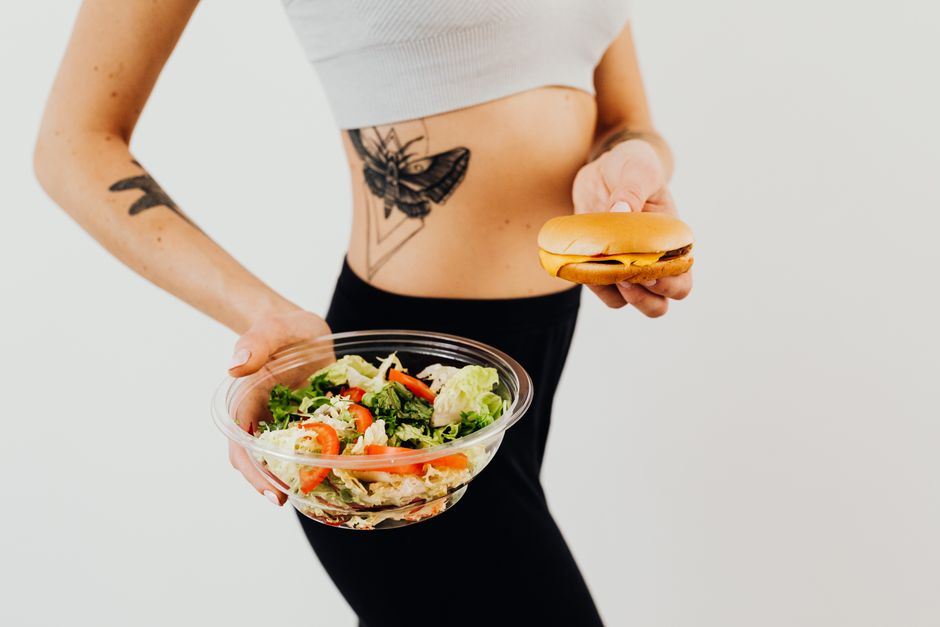
Fast food is engineered to be cheap, fast, and hard to resist. To stop fast food addiction for good, you have to treat it like any other habit loop: identify the trigger, change the routine, and remove the reward that keeps you coming back. Willpower alone rarely works because it fights biology, not just preference.
The word “addiction” gets used loosely. Fast food does not work on the brain the same way nicotine or alcohol does. But the pull many people feel is real, and it follows a pattern that behavior science understands well.
Is Fast Food Addiction Real?
Fast food is not classified as an addictive substance, and there is no formal diagnosis for it. What exists is a well-documented pattern of compulsive eating driven by highly rewarding food.
Researchers have used the term “ultra-processed food addiction” to describe eating behavior that meets several criteria borrowed from substance use disorders, such as craving, loss of control, and continued use despite negative consequences. This is a matter of ongoing scientific debate. Some researchers argue the food itself is addictive. Others argue the behavior is a learned habit reinforced by cues and convenience. Both explanations point to the same practical solutions.
What is not debated is that certain foods trigger reward pathways in the brain. Fast food combines fat, refined carbohydrate, salt, and sugar in combinations that rarely occur in nature. That combination produces a strong dopamine response, and repeated exposure can strengthen the habit over time.
Why Is Fast Food So Hard To Give Up?
Fast food hits the brain’s reward system harder than most home-cooked meals. Fat and refined carbohydrate together produce a larger dopamine response than either one alone. That is not a character flaw. It is how the reward system works.
Three forces keep the habit alive:
- Reward. The food tastes good and delivers quick energy, which reinforces the behavior every time you repeat it.
- Cues. Logos, drive-thru signs, certain times of day, stress, and boredom all become triggers that spark craving before you have made any decision.
- Convenience. Fast food is fast, cheap, and available. Any habit that reduces effort is easier to repeat.
There is also a physiological piece. Fast food is high in calories but low in fiber and protein, so it does not keep you full for long. Blood sugar rises quickly and then falls, which can leave you hungry again within a couple of hours. That cycle drives you back to the same source.
Some research suggests that repeated intake of high-fat, high-sugar food may change how the brain responds to food cues over time, making them more salient. This research is early and mostly from animal models and small human studies. It does not prove that fast food is addictive in the clinical sense. It does help explain why cutting it out feels harder than logic would predict.
How To Stop Fast Food Addiction For Good
Lasting change comes from changing your environment and your routine, not from trying harder. The habit loop has three parts: cue, routine, reward. To break it, you change at least two.
Change the cue
Cravings are usually triggered by something specific. A drive home past the same intersection. A stressful afternoon. A late-night lull. Write down when you eat fast food for one week. Most people find the pattern is narrower than they expected.
Once you know the trigger, you can interrupt it. Take a different route. Keep a snack in the car. Plan something to do at the time you usually crave it.
Change the routine
You do not have to replace fast food with a perfect meal. You only have to replace it with something easier than driving to the restaurant. Frozen burritos, pre-made sandwiches, rotisserie chicken, and bagged salad all work. The point is to reduce the friction of the alternative.
Most people quit a habit by trying to remove it. It works better to replace it. The brain wants the reward, not the specific food.
Change the reward
Fast food delivers a fast reward. Home food often does not, at least not at first. This is the hardest part. You can make the replacement more rewarding by choosing food you actually like, not food you think you should eat. If the swap feels like punishment, you will not keep it.
Protein and fiber matter here. Meals with both keep you full longer and blunt the blood sugar swings that drive cravings. This is one of the few areas where the practical advice is also the well-established physiology.





What About Withdrawal And Cravings?
Some people report headaches, irritability, and strong cravings in the first few days after cutting back on fast food. The evidence for a formal withdrawal syndrome from food is limited and debated. What is well documented is that cravings peak and then fade.
Cravings are usually time-limited. They rise, crest, and pass within minutes if you do not act on them. This is one of the most useful facts in behavior change. You do not have to fight a craving all day. You only have to outlast it for a short window.
Practical tools that help:
- Drink water and wait ten minutes before deciding.
- Eat regular meals so you are not making decisions while hungry.
- Keep your hands busy during the craving window.
- Get enough sleep. Short sleep is linked to stronger cravings and higher calorie intake in multiple studies.
Sleep is underrated here. People trying to cut back on fast food often do it while also sleeping poorly, which stacks the odds against them.
Do You Have To Quit Cold Turkey?
No. There is no strong evidence that one approach works better than the other. Some people do better cutting fast food out entirely because a single taste can reignite the habit. Others do better reducing frequency gradually.
What matters more than the method is consistency. A person who eats fast food once a week for a year is in a very different place than someone who eats it five times a week. The goal is not perfection. It is a durable change in the default.
If you have tried multiple times and cannot stop, that is worth mentioning to a doctor. Compulsive eating can overlap with binge eating disorder, which is a recognized condition and has evidence-based treatments. It is not a willpower problem.
How Long Does It Take To Break The Habit?
The popular claim that habits take 21 days to break is not supported by research. A commonly cited study found that the time to reach automaticity varied widely between people and behaviors, ranging from a few weeks to several months, with an average around two to three months. That study looked at habit formation, not fast food specifically.
What you can expect is that the first week is the hardest, the second week is easier, and by the first month the routine starts to feel less like a fight. This is a general pattern, not a guaranteed timeline.
Do You Have To Give Up Fast Food Forever?
No. Most people who successfully change their eating do not eliminate fast food entirely. They change its role. It stops being the default and becomes an occasional choice.
The difference is whether fast food is a decision or a reflex. A decision you make once a month is not the same behavior as a reflex you act on four times a week. The goal is to move from reflex to decision.
That shift is what makes the change stick. It also removes the all-or-nothing thinking that causes most people to quit their quit.
Frequently Asked Questions
Is fast food actually addictive?
Fast food is not classified as an addictive substance, and there is no formal medical diagnosis for fast food addiction. However, some researchers use the term “ultra-processed food addiction” to describe eating behavior that meets several criteria for substance use disorders, and this remains an area of active scientific debate.
How long does it take to stop craving fast food?
Cravings typically peak in the first few days and weaken over several weeks for most people. There is no fixed timeline, and individual experiences vary widely.
Can you eat fast food occasionally and still break the habit?
Yes. Most people who change their eating successfully do not eliminate fast food completely. The key is whether it becomes an occasional decision rather than a frequent reflex.
When should you talk to a doctor about fast food cravings?
If you have tried repeatedly to cut back and cannot, or if eating feels out of control, it is worth talking to a doctor. Compulsive eating can overlap with binge eating disorder, which is a recognized condition with evidence-based treatment options.
