
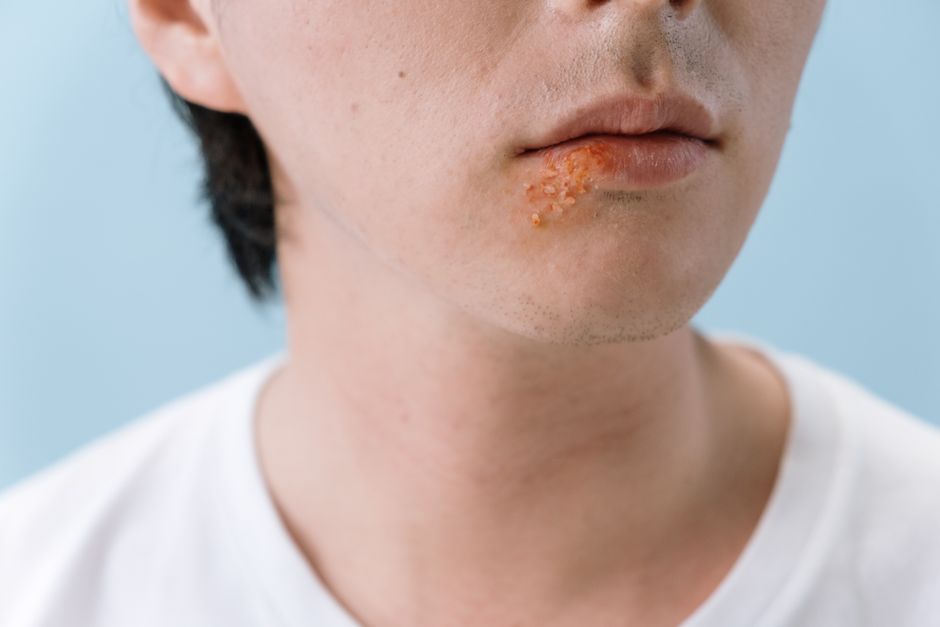
Cold sores are frustrating, painful, and always seem to show up at the worst time. The fastest way to stop a cold sore is to start treatment at the first sign of a tingling or burning sensation. Antiviral pills work fastest and are most effective, but topical creams and patches also help if started early. Prescription antiviral medications can stop the virus from multiplying, which shortens the outbreak and reduces symptom severity. The sooner you act, the better your chances of stopping the sore before it fully forms.
What Causes a Cold Sore Outbreak?
Cold sores come from the herpes simplex virus, usually type 1 (HSV-1). Most people get this virus during childhood, and once you have it, it stays in your body for life. The virus lives quietly in nerve cells near your face. Certain triggers wake it up and cause it to travel to your skin surface.
Common triggers include stress, illness, fatigue, sun exposure, and hormonal changes. A fever or cold can bring one on, which is why people call them cold sores. Some people get them from the same trigger every time. Others cannot pin down a specific cause.
Once the virus reactivates, it moves down the nerve to the skin. This is why you feel a tingling or burning sensation before anything visible appears. That warning period is your best window for treatment.
How To Stop Cold Sores Fast: Pills, Creams, and More
The fastest approach combines early detection with the right medication. If you feel that telltale tingle, do not wait. Start treatment immediately.
Prescription antiviral pills are the gold standard for speed. Drugs like acyclovir, valacyclovir, and famciclovir work from the inside. They stop the virus from replicating, which shortens the outbreak. Taken at the first sign of symptoms, these pills can stop the sore from developing fully or reduce its size and healing time significantly.
Topical antiviral creams like acyclovir cream or penciclovir cream are applied directly to the affected area. They work well but are generally less effective than oral pills. Creams are best for people who have mild, infrequent outbreaks or who cannot take oral medication.
Hydrocolloid patches or dressings cover the sore and create a moist healing environment. They do not kill the virus, but they reduce pain, hide the sore, and prevent you from touching or scratching it. Some patches contain antiviral medication, combining protection with treatment.
Over-the-counter options like docosanol (Abreva) can help if applied early. Docosanol works by preventing the virus from entering healthy skin cells. It is less potent than prescription options but is available without a visit to the doctor.
When Should You See a Doctor for a Cold Sore?
Most cold sores clear up on their own within 7 to 10 days without treatment. But some situations require medical attention.
See a doctor if you get outbreaks more than several times a year. Frequent outbreaks may warrant daily suppressive therapy to reduce how often they occur. A doctor can also prescribe stronger medication than anything available over the counter.
Seek medical care if the cold sore spreads beyond your lip area. Cold sores near your eyes are a medical concern because the virus can affect your vision. Anyone with a weakened immune system should also see a doctor promptly, as the infection can be more severe.
If the sore does not heal within two weeks, get it checked. A sore that persists could be something else entirely, including a bacterial infection or another skin condition.



What Makes a Cold Sore Heal Faster?
Medication is the primary tool for speeding up healing, but supportive care matters too. Keep the area clean and dry during the weeping phase. Once the sore crusts over, keeping it moisturized can prevent painful cracking.
Do not pick at the scab. Picking delays healing and increases the risk of scarring or secondary bacterial infection. It also makes you more contagious.
Managing your triggers helps prevent future outbreaks. If sun exposure triggers your cold sores, use lip balm with SPF daily. If stress is your trigger, stress management techniques like adequate sleep and regular exercise may reduce outbreak frequency.
Avoid sharing items that touch your mouth during an outbreak. This includes lip balm, utensils, towels, and drinking glasses. The virus spreads easily through direct contact with the sore or with fluids from it.
Can You Prevent Cold Sores Entirely?
No medication or lifestyle change can guarantee you will never get another cold sore. The virus stays in your body permanently. But you can reduce how often outbreaks occur.
For people with frequent outbreaks, daily suppressive therapy is an option. Taking a low dose of antiviral medication every day can reduce outbreak frequency by a significant margin. This approach is generally reserved for people who get several outbreaks per year or who have severe symptoms.
Identifying your personal triggers is the most practical prevention strategy. Keep a simple log of when outbreaks happen and what preceded them. Patterns often emerge after a few episodes. Once you know your triggers, you can take steps to avoid or manage them.
Lysine supplements are popular for cold sore prevention, but the evidence is mixed. Some studies suggest lysine may help reduce outbreak frequency, while others show no benefit. If you try lysine, know that the scientific support is not strong. Speak with your doctor about appropriate dosing, as supplements are not regulated like medications.
Cold Sore Medications Compared
| Treatment | How It Works | Speed of Effect | Availability |
|---|---|---|---|
| Prescription antiviral pills (valacyclovir, acyclovir) | Stop the virus from replicating internally | Fastest — most effective when taken at first tingle | Prescription required |
| Prescription antiviral cream (penciclovir) | Blocks virus replication at the skin surface | Moderate — needs frequent application | Prescription required |
| Over-the-counter docosanol cream | Prevents virus entry into healthy cells | Moderate — must be applied at first symptom | Over the counter |
| Hydrocolloid patches | Protects the area, absorbs fluid, promotes healing | Does not kill virus but speeds healing and reduces pain | Over the counter |
Are Cold Sores Contagious?
Yes, cold sores are highly contagious. The virus spreads through direct contact with the sore or with saliva from an infected person. You can spread the virus from the moment you feel tingling until the sore completely heals.
Kissing is a common way the virus spreads. So is sharing drinks, utensils, or lip products. The virus can also spread to other parts of your own body. Touching a cold sore and then touching your eye can lead to a serious eye infection called herpes keratitis.
Wash your hands frequently during an outbreak, especially after touching the affected area. This simple habit reduces the risk of spreading the virus to others or to other parts of your body.
People with active cold sores should avoid contact with infants, people with weakened immune systems, and anyone with eczema. These groups are at higher risk for severe complications from HSV-1 infection.
What Does Not Work for Cold Sores?
Internet remedies for cold sores are everywhere, and most are not backed by evidence. Some are harmless but useless. Others can actually make things worse.
Applying toothpaste, rubbing alcohol, or hydrogen peroxide to a cold sore is a common folk remedy. These substances can irritate the skin and delay healing. They do not kill the virus beneath the surface.
Tea tree oil and essential oils are sometimes recommended. Some research suggests certain oils have antiviral properties in laboratory settings, but no clinical evidence confirms they shorten cold sore outbreaks in humans. Applying undiluted essential oils to broken skin can cause burning and irritation.
Garlic applied directly to a cold sore can cause chemical burns. Do not do this. The pain and tissue damage are not worth any theoretical benefit.
Some people swear by vitamin C or zinc applied topically. Evidence for these approaches is limited. If you want to try them, do so with the understanding that they are not proven treatments.
Frequently Asked Questions
How long does a cold sore last with treatment?
With antiviral treatment started early, a cold sore typically heals in about 5 to 7 days. Without treatment, healing usually takes 7 to 10 days.
Can you pop a cold sore blister?
No. Popping a cold sore blister increases the risk of spreading the virus and can lead to infection or scarring. Let the blister heal on its own.
Is it safe to use cold sore cream while pregnant?
Topical antiviral creams are generally considered safe during pregnancy, but oral antiviral medications require a doctor’s guidance. Always consult your obstetrician before using any cold sore treatment while pregnant.
Does ice help a cold sore?
Ice can temporarily reduce pain and swelling, but it does not stop the virus or shorten the outbreak. Use it for comfort only, and do not apply ice directly to the skin without a barrier.
