
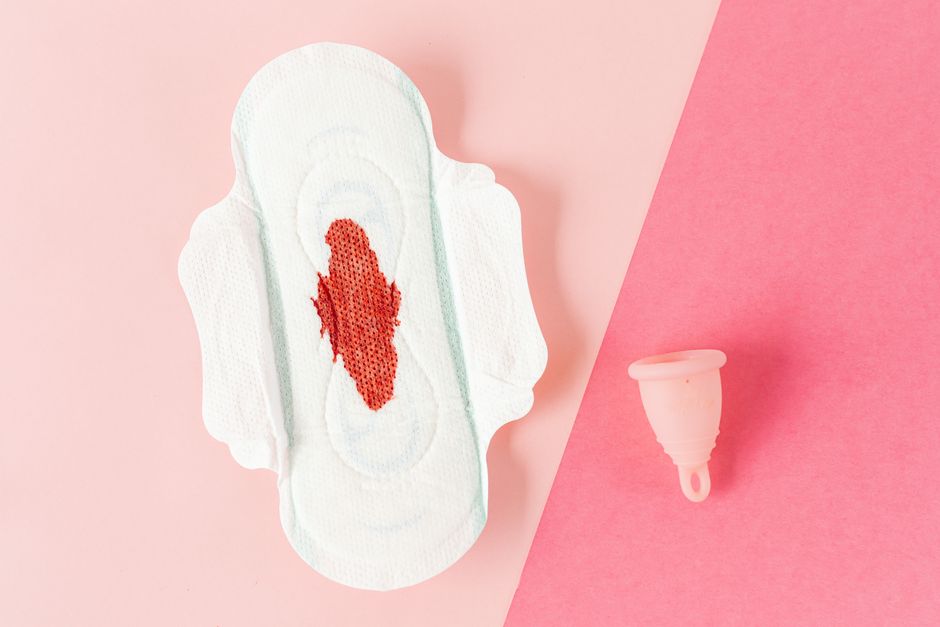
Really bad period cramps can stop you cold — and when they hit, you want relief now, not next week. The fastest options that actually work are heat applied directly to your lower belly, an anti-inflammatory pain reliever like ibuprofen or naproxen taken early, and gentle movement or certain positions that ease muscle tension. For cramps caused by a condition like endometriosis or fibroids, those same steps help but often are not enough on their own, and that is worth knowing so you can get the right care.
What Actually Causes Really Bad Period Cramps?
Menstrual cramps happen because the uterus contracts to shed its lining. The muscle squeezes, blood flow to the muscle briefly drops, and that is what you feel as a cramp.
The driver behind those contractions is a group of hormone-like substances called prostaglandins. Higher prostaglandin levels tend to produce stronger, longer contractions — which is why some people have mild cramping and others are doubled over.
This is the key insight most people miss: cramps are not a sign of weakness or a low pain tolerance. They are a measurable biological event, and the same mechanism that causes them is the same mechanism that anti-inflammatory drugs target. That is why ibuprofen works for many people and acetaminophen, which does not block prostaglandins, often works less well.
There are two broad categories:
- Primary dysmenorrhea — cramps caused by the normal menstrual process itself, with no underlying disease. This is the most common type and usually starts within a few years of a first period.
- Secondary dysmenorrhea — cramps caused by a condition such as endometriosis, adenomyosis, fibroids, or pelvic inflammatory disease. This tends to start later, last longer, and get worse over time.
The distinction matters a lot. Primary cramps respond well to heat and anti-inflammatories. Secondary cramps may improve with those measures but usually need a diagnosis and targeted treatment.
How To Stop Really Bad Period Cramps Fast
Heat is the single most reliable fast fix for most people. A heating pad, a warm bath, or a heat patch placed on the lower abdomen can ease cramping within minutes for many people. Research has found that continuous low-level heat can perform comparably to ibuprofen for period pain in some studies, which is notable because heat carries almost no risk.
An anti-inflammatory pain reliever taken early — at the first sign of cramps or bleeding, rather than waiting until pain peaks — tends to work better than taking it after the pain is already severe. Ibuprofen and naproxen are the most commonly used options. Both are available over the counter.
Two important cautions. First, these drugs are not appropriate for everyone. People with stomach ulcers, kidney disease, certain heart conditions, or who are pregnant should talk to a clinician before using them. Second, taking more than the label recommends does not work faster and can cause harm.
Gentle movement helps some people. Walking, light stretching, or yoga can reduce tension and improve blood flow. It will not work for everyone, and if you feel worse moving, stop.
Certain positions can take pressure off the abdomen — lying on your side with knees drawn up, or on your back with a pillow under your knees. This is comfort measures, not a treatment, but it can take the edge off while other steps kick in.
If you want the fastest combined approach: heat plus an anti-inflammatory taken early, plus a position that reduces abdominal pressure. That combination addresses the mechanism from more than one angle.
Does Heat Really Work Better Than Medication?
Heat works, and it works fast. That part is well established. Whether it beats medication is a different question, and the honest answer is that it depends on the person and the severity.
Some studies have found continuous low-level heat comparable to ibuprofen for mild to moderate cramps. For severe cramps, medication often pulls ahead — but heat still helps and can be used alongside it.
The advantage of heat is that it is low-risk, immediate, and has no drug interactions. The limitation is that it treats the symptom, not the prostaglandin production driving the cramp. So it may wear off faster than a medication does.
Practical takeaway: use heat first because it is fast and safe. Add medication if heat alone is not enough. Do not think of it as an either-or choice.




When Are Bad Period Cramps a Sign of Something Else?
Cramps that interfere with daily life every month are not something to just push through. That pattern is common in secondary dysmenorrhea and deserves a medical evaluation.
Warning signs that point toward an underlying condition:
- Pain that has gotten worse over time rather than staying stable
- Cramps that start before bleeding begins and continue for days after
- Pain during sex, bowel movements, or urination
- Heavy bleeding, clotting, or bleeding between periods
- Cramps that no longer respond to heat or over-the-counter medication
- Pain that started well after your teens, especially in your 30s or 40s
Endometriosis is one of the more common causes of severe period pain. It occurs when tissue similar to the uterine lining grows outside the uterus. Diagnosis often takes years because symptoms overlap with many other conditions. That delay is well documented and frustrating, but it means advocating for yourself matters.
Fibroids and adenomyosis are other common causes. None of these can be ruled out by how the pain feels alone. A clinician needs to evaluate.
If your cramps are severe enough that you miss work, school, or time with family most months, that is a signal to get checked — not a sign you need to cope better.
What About Hormonal Birth Control for Severe Cramps?
Hormonal birth control is one of the most effective options for reducing period cramps, and it is often recommended when over-the-counter measures are not enough. Combination pills, hormonal IUDs, and other methods can reduce or thin the uterine lining, which lowers prostaglandin production.
This is a treatment decision, not a quick fix. It takes time to work — often several cycles — and it comes with its own side effects and considerations. It requires a conversation with a clinician who knows your history.
Some people see significant improvement. Others do not. Response varies, and there is no way to predict it in advance for a given person.
Other prescription options exist for specific diagnoses. For endometriosis, for example, treatment may include hormonal therapy or surgery depending on severity and goals. These are decisions made with a specialist, not something to self-manage.
What Does Not Work for Period Cramps
A lot of what circulates online about period pain does not hold up. Being clear about this saves time and money.
Acetaminophen (Tylenol) does not block prostaglandins. It can help with pain generally, but for menstrual cramps specifically, it tends to be less effective than ibuprofen or naproxen. It is not useless — it just is not the strongest choice for this particular pain.
Essential oils, crystals, and most “hormone-balancing” supplements have no strong clinical evidence behind them for period cramps. Some people find certain scents relaxing, and relaxation can reduce pain perception. That is a real effect, but it is not the same as treating the cramp itself.
Cutting out gluten, dairy, or sugar to “fix” period pain is a common claim with limited evidence. Some people with specific conditions may notice a difference, but there is no strong general evidence that dietary elimination reduces cramps in most people.
What does have some supportive evidence: regular physical activity, adequate sleep, and not smoking are all associated with less severe menstrual pain in observational research. These are not fast fixes, but they shape the baseline.
Building a Plan That Actually Helps
The best approach depends on whether your cramps are primary or secondary, and how severe they are.
For typical primary cramps, the pattern that works for many people is:
- Start heat early, at the first sign of cramping
- Take an anti-inflammatory at the first sign, not at peak pain
- Stay gently active if it helps, rest if it does not
- Track your cycle so you can anticipate and act sooner
For cramps that are severe, worsening, or not responding to these steps, the plan changes. That is when you need a diagnosis, because the right treatment depends entirely on the cause.
One more thing worth saying plainly: severe period pain is common, but common does not mean normal or something you have to accept. If it is disrupting your life, that is a medical issue, and it is treatable. The fastest relief for a single bad day and the right long-term answer for recurring severe pain are two different things — and you may need both.
Frequently Asked Questions
How can I stop really bad period cramps fast?
Apply heat to your lower abdomen and take an anti-inflammatory like ibuprofen or naproxen at the first sign of cramps rather than waiting for peak pain. Heat works within minutes for many people and can be used alongside medication.
Is heat or ibuprofen better for period cramps?
Some studies have found continuous low-level heat comparable to ibuprofen for mild to moderate cramps, though medication often works better for severe pain. Heat is faster and lower risk, so using it first and adding medication if needed is a reasonable approach.
When should I see a doctor for severe period cramps?
See a clinician if cramps get worse over time, do not respond to heat or over-the-counter medication, or come with pain during sex, heavy bleeding, or pain between periods. These patterns can point to conditions like endometriosis or fibroids that need diagnosis.
Do period cramps get worse with age?
Primary cramps often improve with age or after pregnancy, but cramps that start or worsen in your 30s and 40s more often point to a secondary cause such as fibroids or adenomyosis. Worsening pain over time is a reason to get evaluated.
