
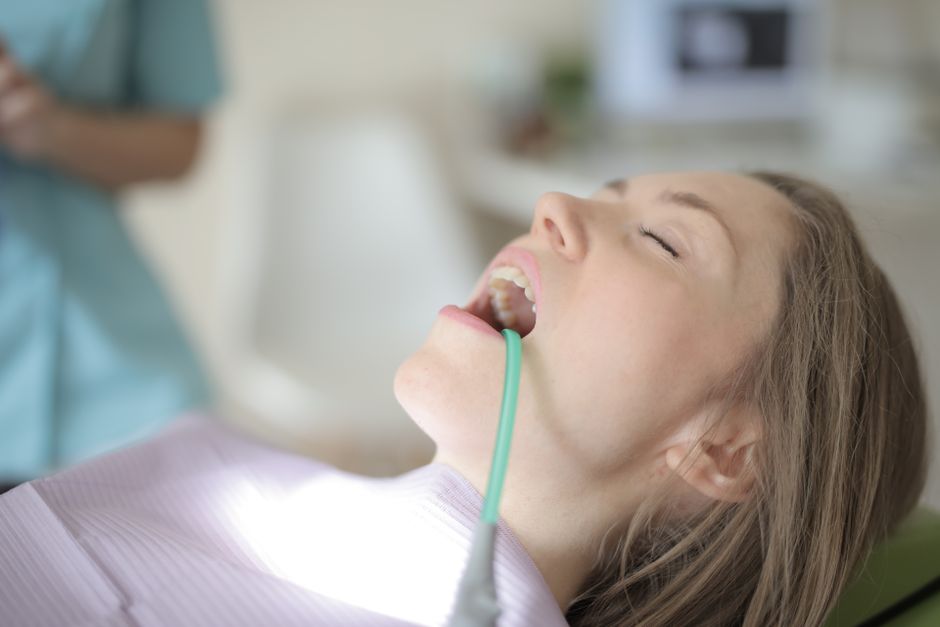
You can stop a cavity from growing, and in its earliest stage you can reverse it. The key is timing and minerals. A cavity begins as a microscopic loss of minerals from enamel, a process called demineralization. At that point, the surface is still intact. Fluoride, saliva, and minerals from your diet can rebuild it through a process called remineralization. Once the decay breaks through the enamel and forms a physical hole, that hole will not close on its own. At that stage, a dentist has to repair it. So the real answer depends on how far the decay has gone.
How Does A Cavity Actually Form?
A cavity is not caused by sugar sitting on your teeth. It is caused by acid produced when bacteria in plaque ferment carbohydrates from your food.
That acid pulls calcium and phosphate out of the enamel. This is demineralization. Your saliva works constantly to neutralize the acid and push those minerals back in. For most of the day, the two processes stay roughly in balance.
Problems start when acid attacks happen more often than your saliva can recover. Each sugary snack or sip of soda restarts the clock. If you eat or drink frequently through the day, your mouth never gets a long enough break to repair itself.
Over time, the enamel loses more mineral than it regains. A white spot can appear. This is the first visible sign of trouble, and it is the stage where reversal is genuinely possible.
What Is The Difference Between An Early Cavity And A Real Hole?
This distinction decides everything about your options. An early cavity, often called a white spot lesion, is a change in the mineral content of enamel. The surface is still there. It looks chalky or dull instead of shiny.
A true cavity, or cavitation, is a physical break in the tooth surface. Once that break forms, the enamel cannot regrow. Enamel has no living cells and cannot repair a structural defect. This is why the early window matters so much.
There is a catch. White spots are hard to see on your own, especially between teeth or near the gumline. Dentists use visual inspection, a probe, and sometimes X-rays to tell the difference. X-rays are especially useful for spotting decay between teeth that you cannot see in a mirror.
If you notice a white or brown spot, do not assume it is reversible. Get it checked. Only a clinician can confirm whether the surface is still intact.
How To Stop Cavity Growth And Reverse Early Decay
At the early stage, the goal is to shift the balance toward remineralization. Several steps are well supported by dental research.
Fluoride is the most reliable tool. It does two things. It slows demineralization, and it helps rebuild enamel with a mineral structure that resists acid better than the original. This is why fluoride toothpaste is the standard recommendation from dental and health authorities worldwide.
Use a fluoride toothpaste and spit rather than rinse after brushing. Rinsing with water washes away the fluoride that is still working on your teeth. This single habit change is one of the most practical things you can do.
Reduce how often your teeth meet sugar and acid, not just how much. Frequency matters more than total amount for decay risk. Sipping a sweet drink slowly over an hour is harder on teeth than drinking it quickly with a meal.
Saliva is your natural repair system. Dry mouth raises cavity risk because saliva is not there to buffer acid and deliver minerals. Medications, mouth breathing, and some health conditions can reduce saliva flow. If your mouth feels persistently dry, that is worth raising with a dentist or doctor.
Diet plays a supporting role. Foods rich in calcium and phosphate, like dairy, can help supply the minerals used in remineralization. This does not replace fluoride, but it works alongside it.





Does Fluoride Really Reverse Cavities?
Fluoride does not regrow a hole. What it does is help rebuild the mineral in early lesions and make the enamel more resistant to future acid. This is well established.
Research consistently shows that fluoride reduces both the number of new cavities and the progression of early ones. It is one of the most studied interventions in dentistry.
For early white spot lesions, dentists sometimes recommend higher-concentration fluoride products, such as prescription toothpaste or a professional fluoride varnish applied in the office. These are clinical decisions. Do not self-prescribe a high-concentration product without a dentist’s guidance, especially for children.
One common claim deserves a clear answer. Fluoride-free “remineralizing” toothpastes are marketed heavily. Some contain calcium and phosphate compounds. The evidence for these products is much weaker than for fluoride, and no large human trials have confirmed they reverse cavities as effectively. Treat those claims with caution.
What About Diet And Home Remedies?
Diet changes can lower your risk, but they do not reverse an existing cavity on their own.
Cutting back on sugary drinks and frequent snacking helps because it reduces acid attacks. That is real and worth doing. But once demineralization has started, diet alone is not a reliable fix.
Several home remedies circulate online. Oil pulling, chewing xylitol gum, and using baking soda are commonly mentioned.
- Xylitol gum or lozenges have some evidence for reducing cavity risk. They are not a treatment for an existing cavity.
- Oil pulling has been studied, but the evidence for reversing decay is weak. It does not replace fluoride.
- Baking soda toothpaste can help remove plaque, but it does not rebuild enamel.
None of these will close a hole or reliably reverse a white spot lesion. They may support oral hygiene, but they are not substitutes for proven care.
When Does A Cavity Need A Filling?
Once decay has broken through the enamel into the softer dentin layer underneath, the tooth cannot repair itself. A filling is needed to remove the decayed tissue and restore the structure.
If decay reaches the pulp, where the nerve and blood vessels sit, the problem becomes more serious. This can cause pain, infection, and in some cases an abscess. At that point, treatment may involve a root canal or other procedures rather than a simple filling.
Waiting does not help. Decay that is caught early is easier and less costly to treat. Decay that is left alone tends to progress. This is the strongest argument for regular dental checkups, even when nothing hurts.
Can You Reverse A Cavity Without A Dentist?
You can support remineralization at home, but you cannot reliably diagnose or reverse a cavity on your own.
The problem is visibility. Early lesions are often between teeth or below the gumline where you cannot see them. By the time something is visible or painful, it may already be past the reversible stage.
Good home care lowers your risk and supports early repair. It does not replace an exam. A dentist can see what you cannot and confirm whether a lesion is still reversible or already needs treatment.
Some clinicians now use a “watch and wait” approach for very early lesions, monitoring them rather than drilling right away. This is a judgment call based on the specific tooth and patient. It is not something to decide on your own.
Frequently Asked Questions
Can a cavity heal on its own?
An early cavity that has not broken through the enamel can be remineralized with fluoride and good oral care. Once a physical hole forms, it cannot heal on its own and needs a dentist to repair it.
How long does it take to reverse an early cavity?
There is no fixed timeline, and it varies by person and by how early the lesion is caught. Remineralization is a gradual process that depends on consistent fluoride use and reduced acid exposure, so a dentist typically monitors progress over time rather than expecting a set number of weeks.
Does fluoride toothpaste really stop cavities?
Yes. Fluoride toothpaste is the standard recommendation from dental and health authorities, and research consistently shows it reduces new cavities and slows the progression of early ones. It works by slowing mineral loss and helping rebuild enamel that resists acid.
Can I reverse a cavity with diet alone?
No. Diet changes lower your risk by reducing acid attacks, but they do not reliably reverse an existing cavity. Fluoride and professional care are the tools with the strongest evidence for early reversal.
