
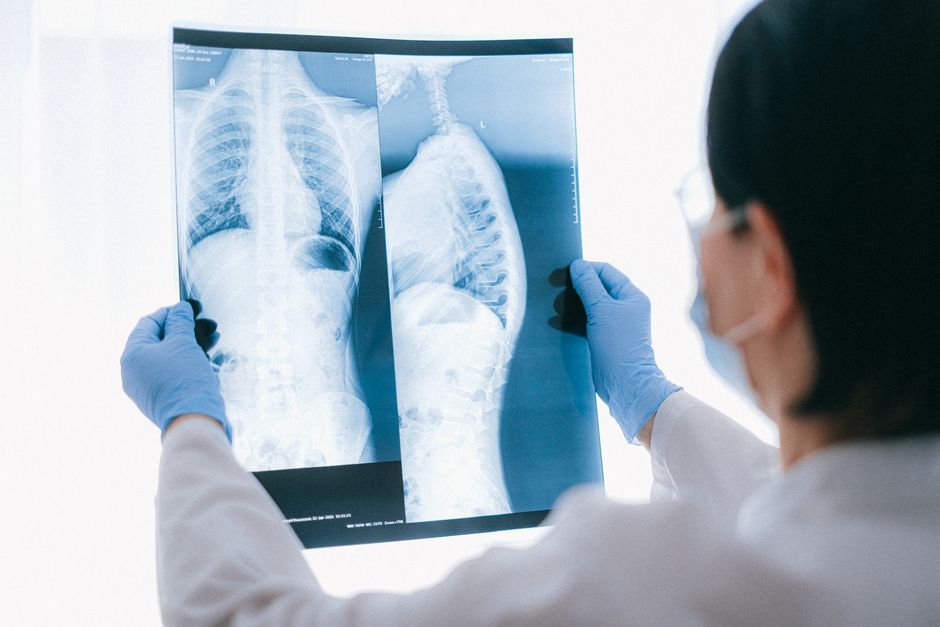
Lung damage can sometimes be partially reversed, but it depends heavily on the type and cause of the damage. Your lungs have some natural repair abilities, but scar tissue from conditions like COPD or pulmonary fibrosis is permanent. The goal for most people is to stop further damage and improve lung function as much as possible through medical treatment, lifestyle changes, and pulmonary rehabilitation.
What Actually Causes Lung Damage?
Lung damage comes from different sources, and the cause determines what recovery looks like. The most common cause in the US is smoking. The CDC reports that smoking causes about 80% of COPD deaths. Long-term exposure to air pollution, workplace chemicals, or secondhand smoke also damages lung tissue over time.
Some lung damage comes from infections like pneumonia or COVID-19. These can leave temporary or permanent scarring. Autoimmune conditions like rheumatoid arthritis or sarcoidosis can cause inflammation that leads to lung scarring. Genetic conditions like alpha-1 antitrypsin deficiency also play a role, though this is less common.
Acute damage from a single event like inhaling a chemical or a bad case of pneumonia is different from chronic damage that builds over decades. The timeline matters. Recent damage from a short illness has a better chance of healing than damage from 30 years of smoking.
Can Your Lungs Actually Repair Themselves?
Research shows your lungs have some ability to repair damage, but it is limited. The lungs are made of different cell types. The cells lining your airways can regenerate after injury. This is why quitting smoking leads to noticeable improvement in coughing and mucus production within weeks.
However, the tiny air sacs called alveoli where gas exchange happens do not regenerate well. Once they are destroyed by emphysema, they do not grow back. The scar tissue that forms in pulmonary fibrosis is also permanent. According to research published in the New England Journal of Medicine, the lung’s repair capacity decreases with age and with continued exposure to toxins.
What many people do not realize is that even when lung tissue cannot fully regenerate, your body can compensate. Unused areas of the lung can become more efficient. This is why pulmonary rehabilitation works. It trains your body to use the lung capacity you still have more effectively.
How To Reverse Lung Damage And What To Expect
When people ask how to reverse lung damage and what to expect, the honest answer is that complete reversal is rare for chronic conditions. But significant improvement is possible. The first and most important step is removing whatever is causing the damage. For smokers, this means quitting. For people exposed to workplace chemicals, this means using proper protection or changing jobs.
After removing the cause, the body starts its repair process. Cilia, the tiny hairs that clear mucus from your airways, begin to grow back within weeks. Inflammation decreases. Mucus production normalizes. These changes are real and measurable. A study in the journal Thorax found that lung function decline slows to the same rate as a non-smoker within two years of quitting.
What you can expect varies by person. Someone with mild damage from a recent pneumonia might see near-complete recovery in 3-6 months. Someone with moderate COPD might stabilize and improve their breathing capacity by 10-15% with treatment. Someone with advanced emphysema will not regrow lung tissue but can improve their quality of life significantly through management strategies.
| Condition | Recovery Potential | Timeline |
|---|---|---|
| Acute pneumonia damage | High – near complete recovery common | 3-6 months |
| Smoker’s cough / bronchitis | Good – significant improvement | Weeks to 1 year |
| Mild to moderate COPD | Moderate – stabilization and 10-15% improvement | Ongoing with treatment |
| Pulmonary fibrosis | Low – scar tissue is permanent | Focus on slowing progression |
| COVID-19 lung damage | Variable – many improve within a year | 6-12 months |


What Treatments Actually Work?
Medical treatments for lung damage fall into three categories: medications, pulmonary rehabilitation, and in severe cases surgery. Medications like bronchodilators open up airways. Inhaled corticosteroids reduce inflammation. For people with COPD, these medications do not reverse damage but they improve breathing and reduce flare-ups.
Pulmonary rehabilitation is one of the most effective interventions. It combines exercise training, breathing techniques, and education. The American Thoracic Society states that pulmonary rehabilitation improves exercise capacity, reduces shortness of breath, and improves quality of life in people with chronic lung disease. It works by strengthening the muscles around the lungs and teaching your body to use oxygen more efficiently.
For severe cases, surgery options exist. Lung volume reduction surgery removes damaged parts of the lung so healthier parts work better. Lung transplantation is an option for end-stage disease. These are major procedures with serious risks. They are only considered when medical management is no longer enough.
Some people ask about stem cell therapy or supplements. As of 2026, there is no clinical evidence that stem cell treatments can reverse lung damage in humans. Some early trials are happening, but this is experimental. No supplement has been proven to reverse lung damage. Vitamin D and omega-3s support general health but do not repair scarred lung tissue.
What Lifestyle Changes Help the Most?
Lifestyle changes are not a cure, but they make a real difference. Quitting smoking is the single most effective thing you can do. The American Lung Association reports that within one year of quitting, your risk of heart disease drops by half. Within 10 years, your lung cancer risk is half that of a smoker. These numbers come from large population studies.
Exercise is the second most important change. It does not repair damaged lungs, but it improves how your body handles limited oxygen. Walking, cycling, and swimming at a pace that leaves you slightly breathless helps your heart and muscles work better. Start slow. Even five minutes a day is a start.
Avoiding lung irritants matters. This includes air pollution, strong cleaning chemicals, and secondhand smoke. Use an air purifier if you live in a city with poor air quality. Wear a mask when air quality is bad or when using strong chemicals. Get your home tested for radon, which is the second leading cause of lung cancer after smoking.
Diet plays a supporting role. Anti-inflammatory foods like fruits, vegetables, whole grains, and fatty fish support overall health. They do not reverse lung damage directly. Staying hydrated thins mucus, making it easier to clear. Maintaining a healthy weight reduces the work your lungs have to do.
Common Misconceptions About Lung Healing
A common myth is that you can “detox” your lungs with juice cleanses or herbs. This is not how lungs work. Your lungs have their own cleaning system. Cilia move mucus and particles up and out. Coughing clears them. No juice, tea, or supplement speeds this up meaningfully. Save your money.
Another misconception is that if you feel fine, your lungs are fine. Early lung damage often has no symptoms. By the time you feel short of breath climbing stairs, significant damage may already exist. This is why spirometry testing is important for people with a history of smoking or exposure to lung toxins.
Some people believe that once you quit smoking, your lungs go back to normal within a few months. This is not accurate for heavy long-term smokers. Your lungs improve, but they do not return to the state of someone who never smoked. The risk of lung disease remains higher, though much lower than if you kept smoking.
What to Avoid If You Want Healthier Lungs
- Vaping. It is not safer than smoking. Research shows it causes lung inflammation and damage.
- Supplements making reversal claims. No pill has been proven to repair lung tissue. Be skeptical of anything promising a cure.
- Ignoring symptoms. Shortness of breath, chronic cough, or wheezing that lasts more than a few weeks needs medical evaluation.
- Secondhand smoke and pollution. Even if you do not smoke, exposure to others’ smoke or poor air quality damages your lungs over time.
- High-intensity exercise without guidance. For damaged lungs, pushing too hard can be dangerous. Work with a professional.
Frequently Asked Questions
Can damaged lungs heal completely?
Complete healing is rare for chronic conditions like COPD or pulmonary fibrosis. Acute damage from infections often improves significantly over months.
How long after quitting smoking do lungs improve?
Improvement starts within weeks as cilia regrow and inflammation decreases. Lung function decline slows to normal rates within two years.
Is there a medicine that reverses lung damage?
No medication reverses scarred lung tissue. Medications manage symptoms, reduce inflammation, and slow disease progression.
Can exercise repair lung damage?
Exercise does not repair damaged tissue but improves how efficiently your body uses oxygen and strengthens breathing muscles.
