
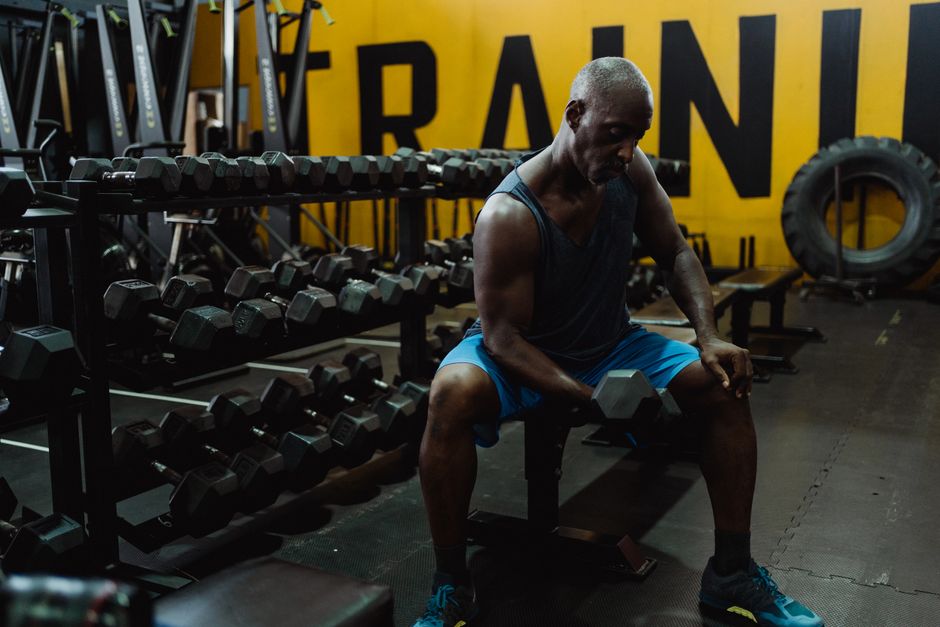
No, lifting weights will not stunt your growth. This is one of the most persistent myths in fitness, and the evidence against it is clear. Your height is determined by your genetics and your nutrition during your growing years, not by how much weight you lift. Growth plates close based on hormones and age, not from the stress of resistance training. The real concern for young lifters is injury from poor form or using too much weight, not stunted growth.
Where Did the Myth That Weights Stunt Growth Come From?
This myth has been around for decades. It likely started with old medical concerns about children doing heavy manual labor in factories, not from kids lifting weights in a gym. Those historical cases involved malnutrition, long hours, and extreme physical stress. That is very different from a supervised weightlifting session.
Another source was a 1970s study on Japanese child laborers. These children were short, but they were also malnourished and overworked. Researchers later realized the lack of calories and rest caused the growth problems, not the physical work itself. The myth stuck even after better research came out.
Many pediatricians and sports medicine doctors now agree that proper resistance training is safe for children and teenagers. The American Academy of Pediatrics has stated that strength training does not negatively impact growth or bone development when done correctly.
What Does the Research Actually Say About Weights and Height?
Research published in the journal Pediatrics found no link between resistance training and stunted growth in children. Studies have followed young athletes who lift weights regularly and compared them to those who do not. Their heights end up the same when you account for genetics and diet.
A 2014 review in the journal Sports Medicine looked at multiple studies on youth resistance training. The researchers concluded that there is no evidence that weightlifting harms growth plates or reduces final adult height. In fact, they found that strength training can improve bone density and reduce sports injuries.
The confusion often comes from the rare case of a growth plate fracture. This is an injury to the cartilage at the end of long bones. It can happen in any sport, not just weightlifting. Falling off a bike or landing wrong in basketball can cause it too. When it does happen, it is usually from poor technique or an accident, not from the act of lifting itself.
How Do Growth Plates Actually Work?
Your long bones have growth plates near each end. These are soft areas of cartilage where new bone cells form. As you grow, these plates produce new bone that lengthens your arms and legs. When you finish puberty, hormones cause these plates to harden and close. Once closed, you cannot get taller.
The idea that weightlifting damages these plates comes from a misunderstanding. Growth plates can be injured, but it takes a direct impact or extreme force. A controlled squat or deadlift with proper form does not apply that kind of force to the growth plate area. The muscles and joints absorb most of the load.
Your body is designed to handle stress from physical activity. Running, jumping, and climbing all put force through your bones and growth plates. Weightlifting is no different. The key is using appropriate weights and proper form, just like in any sport.
| Factor | Does It Stunt Growth? | Evidence |
|---|---|---|
| Weightlifting with proper form | No | Multiple studies show no effect on height |
| Growth plate fracture | Rarely, if severe | Can happen in any sport, not unique to lifting |
| Malnutrition | Yes | Strong evidence from historical and clinical studies |
| Chronic overtraining | Unclear | Some evidence suggests it may slow growth if combined with poor diet |
| Genetics | Primary factor | Determines 60-80% of adult height |




What Are the Real Risks of Youth Weightlifting?
The real risks have nothing to do with height. The main concern is injury from using too much weight or bad form. A teenager trying to impress friends by lifting more than they can handle is a recipe for a pulled muscle or a back strain. These injuries heal, but they are avoidable.
Another risk is ego lifting. This means adding weight before you have mastered the movement. It leads to jerky motions and puts stress on joints that are not ready for it. The result is often pain in the lower back, knees, or shoulders. These injuries are not permanent, but they can sideline you for weeks.
There is also the risk of comparing yourself to adults or older teens. A 13-year-old should not be trying to squat like a 25-year-old. Their bones and muscles are still developing. The goal should be learning proper technique, not hitting a number on the bar.
What Actually Determines Your Height?
Your height is mostly written in your DNA. Studies on twins show that genetics account for about 60 to 80 percent of your final height. If your parents are short, you are likely to be short too, no matter how much you lift or do not lift.
Nutrition during childhood and adolescence is the second biggest factor. A diet low in protein, calcium, and vitamin D can slow growth. The CDC reports that children with chronic malnutrition are significantly shorter than their well-fed peers. This is a much bigger concern than weightlifting.
Sleep also matters. Growth hormone is released mostly during deep sleep. If a teenager is not getting enough sleep, their growth could be affected. This is another area where lifting has no negative effect. In fact, exercise often improves sleep quality.
Common Misconceptions About Weights and Growth
One common misconception is that lifting weights compresses your spine and makes you shorter. Your spine does compress slightly during the day due to gravity, but it returns to normal overnight. Weightlifting does not cause permanent compression. In fact, exercises like deadlifts can strengthen the muscles that support your spine.
Another myth is that lifting before puberty will damage your bones. The truth is that resistance training can increase bone density in children and teenagers. The National Institutes of Health has published research showing that weight-bearing exercise strengthens bones during growth. This is a benefit, not a risk.
Some people also believe that you should not lift until you are 16 or older. That is not supported by evidence. The American College of Sports Medicine states that children as young as 7 or 8 can safely participate in resistance training with proper supervision and appropriate weights. The key is supervision and age-appropriate programming.
- Myth: Lifting weights makes you shorter by compressing your spine. Fact: Spine compression is temporary and reverses overnight.
- Myth: Weightlifting damages growth plates. Fact: Growth plate injuries are rare and usually from accidents, not lifting.
- Myth: You should wait until 16 to lift weights. Fact: Kids as young as 7 can lift safely with supervision.
- Myth: Lifting stunts growth because of hormones. Fact: Hormone changes from exercise are normal and temporary.
How to Lift Weights Safely as a Teen or Pre-Teen
Start with bodyweight exercises. Push-ups, squats, and lunges build a foundation of strength and control. Once you can do those with good form, you can add light weights. The goal is to learn the movement pattern before adding load.
Focus on technique over weight. A perfect squat with an empty bar is better than a wobbly squat with 50 extra pounds. Work with a coach or a knowledgeable adult who can watch your form. Many gyms offer youth programs that teach proper lifting mechanics.
Progress slowly. Increase weight by small amounts, like 2.5 to 5 pounds per session. Do not add weight every week. Your muscles may get stronger faster than your joints and bones can adapt. Giving your body time to adjust reduces injury risk.
Listen to pain. Muscle soreness after a workout is normal. Sharp pain during a lift is not. If something hurts, stop and check your form. If the pain continues, see a doctor. Do not push through joint pain.
Frequently Asked Questions
Can lifting weights permanently stunt my growth?
No, there is no credible evidence that lifting weights permanently stunts growth. Your height is determined by genetics and nutrition, not resistance training.
At what age can I start lifting weights?
You can start as young as 7 or 8 with bodyweight exercises and light weights under supervision. The focus should be on learning proper form, not lifting heavy.
Will lifting weights make me shorter over time?
No, lifting weights does not make you shorter. Spinal compression from lifting is temporary and your spine returns to its normal length after rest.
What causes growth plate injuries in young athletes?
Growth plate injuries are usually caused by falls, impacts, or overuse in any sport. They are not caused by controlled weightlifting with proper technique.
