
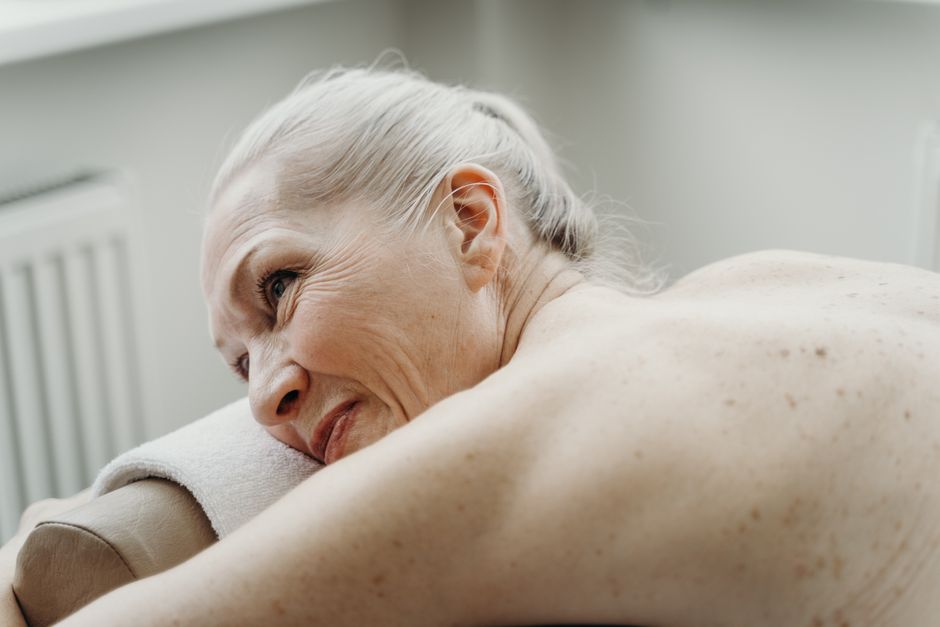
Feeling older than your actual age is surprisingly common. It is not just in your head. Research shows that how old you feel — your “subjective age” — can be a real marker of your physical and mental health. The good news is that the gap between your chronological age and how old you feel can be closed. It comes down to sleep, movement, stress management, and social connection. These are not vague wellness concepts. They are backed by solid evidence.
What Does It Mean to Feel Older Than You Are?
Feeling older than your age is not the same as being sick. It is a specific experience. You might feel tired in a way that seems too early. You might notice your body does not bounce back the way it used to. You might feel mentally slower or less sharp.
Researchers call this “subjective age.” Studies have found that people who feel older than their chronological age tend to have worse health outcomes. A 2018 study published in the journal Psychosomatic Medicine found that feeling older than your age was linked to a higher risk of hospitalization and even death over a 10-year period.
This is not about vanity. It is about your body sending signals that something is off. The feeling is real. And it can be addressed.
Why Do I Feel Older Than I Am And How To Reverse It?
The core reasons people feel older than their age fall into a few key categories. Chronic poor sleep is at the top. When you do not get enough deep sleep, your body cannot repair itself. Your brain cannot clear out waste products. Over time, this makes you feel sluggish and older.
Chronic stress is another major driver. High cortisol levels speed up cellular aging. A 2014 study from the University of California, San Francisco found that women under chronic stress had immune cells that looked biologically older.
Lack of physical activity also plays a role. When you stop moving regularly, your muscles weaken, your metabolism slows, and your joints stiffen. This makes everyday tasks feel harder. You feel older because your body is functioning at a lower level.
Reversing this feeling requires addressing these root causes directly. It is not about a magic pill or a trendy diet. It is about consistent habits that support your body’s natural repair processes.
What Does the Science Say About Sleep and Aging?
Sleep is the single most powerful tool for feeling younger. During deep sleep, your body releases growth hormone, which repairs tissues. Your brain also clears out beta-amyloid, a protein linked to Alzheimer’s disease.
The National Sleep Foundation recommends 7 to 9 hours of sleep per night for adults. But quality matters as much as quantity. Waking up multiple times a night or not getting enough deep sleep can leave you feeling drained even if you spend 8 hours in bed.
To improve sleep quality, keep your bedroom cool and dark. Avoid screens for at least an hour before bed. Blue light from phones and laptops suppresses melatonin production. Consistent bedtimes also help regulate your internal clock.
If you wake up still feeling tired after a full night’s sleep, talk to your doctor. Sleep apnea and other disorders are common and treatable.




How Does Exercise Change How Old You Feel?
Exercise does more than build muscle. It changes your biology at a cellular level. Regular aerobic exercise increases the length of your telomeres — the protective caps on your chromosomes. Shorter telomeres are linked to aging and disease. Longer telomeres are linked to longevity.
A 2017 study from Brigham Young University found that people who did high levels of moderate to vigorous physical activity had telomeres that looked 9 years younger than those who were sedentary.
Strength training also matters. After age 30, adults lose 3 to 5 percent of muscle mass per decade. This loss is called sarcopenia. It makes you feel weaker and older. Resistance training twice a week can slow or reverse this loss.
You do not need to run marathons. A 30-minute brisk walk five days a week is enough to see benefits. The key is consistency.
Here is a simple comparison of how different types of exercise affect aging markers:
| Type of Exercise | Effect on Aging Markers |
|---|---|
| Aerobic (walking, cycling, swimming) | Increases telomere length, improves heart health, boosts brain function |
| Resistance (weight lifting, bodyweight exercises) | Preserves muscle mass, strengthens bones, improves metabolism |
| Flexibility (yoga, stretching) | Reduces stiffness, improves mobility, lowers fall risk |
Can Your Diet Make You Feel Younger?
Diet plays a role, but it is often overstated in popular health articles. The evidence is clear that ultra-processed foods and high sugar intake are linked to inflammation and faster biological aging. A 2020 study in the American Journal of Clinical Nutrition found that each 10 percent increase in ultra-processed food intake was linked to a 1.5-year increase in biological age.
On the other hand, a diet rich in vegetables, fruits, lean protein, and healthy fats supports your body’s repair systems. The Mediterranean diet has the strongest evidence for slowing biological aging. It emphasizes olive oil, fish, nuts, and leafy greens.
Hydration also matters. Even mild dehydration can cause fatigue, brain fog, and headaches. These symptoms make you feel older. Aim for enough water so your urine is light yellow.
There is no single “anti-aging” food. But eating a balanced diet with plenty of whole foods is one of the most reliable ways to support your body.
What About Stress and Social Connection?
Chronic stress is a major driver of feeling older. When you are stressed, your body produces cortisol. High cortisol over time damages cells and speeds up aging. It also disrupts sleep and weakens your immune system.
Stress management is not optional. It is a health requirement. Meditation, deep breathing, and time in nature all have evidence behind them. A 2019 study from the University of California, Davis found that a 3-month meditation retreat reduced biological age markers in participants.
Social connection is equally important. Loneliness is linked to higher inflammation and faster cognitive decline. A 2015 study from the University of Chicago found that lonely adults had higher levels of cortisol and showed signs of faster aging.
If you feel isolated, small steps matter. A weekly phone call with a friend. Joining a walking group. Volunteering. These actions reduce loneliness and help you feel younger.
Here are practical steps to reduce stress and improve connection:
- Set aside 10 minutes a day for deep breathing or quiet time
- Schedule one social activity per week, even if it is short
- Limit news and social media to 30 minutes per day
- Spend at least 15 minutes outside each day
- Say no to commitments that drain you
What Should You Avoid?
Some popular anti-aging products and trends have little evidence behind them. Collagen supplements are widely claimed to improve skin and joint health. But as of 2026, the evidence is mixed. Some small studies show modest benefits for skin elasticity. Larger, longer-term studies are lacking.
Detox teas and juice cleanses are another example. Your liver and kidneys do the work of detoxing naturally. These products often cause temporary weight loss from water loss, not real health improvement.
Extreme calorie restriction is also risky. It can slow metabolism and cause muscle loss. This makes you feel weaker and older, not younger.
Beware of any product that promises to reverse aging quickly. Real change takes time and consistency. If it sounds too good to be true, it probably is.
Frequently Asked Questions
How do I stop feeling older than I am?
Focus on improving sleep quality, getting regular exercise, and managing stress. These three areas have the strongest evidence for reducing how old you feel.
Can feeling older than your age be reversed?
Yes. Many people report feeling younger after making consistent changes to sleep, activity, and stress habits. Biological age markers can also improve with these changes.
What is the best exercise to feel younger?
A mix of aerobic exercise and resistance training works best. Walking briskly for 30 minutes most days and lifting weights twice a week is a solid starting point.
Does diet really affect how old you feel?
Yes, but mainly in the context of avoiding ultra-processed foods and eating a balanced diet. No single food or supplement reverses aging on its own.
