
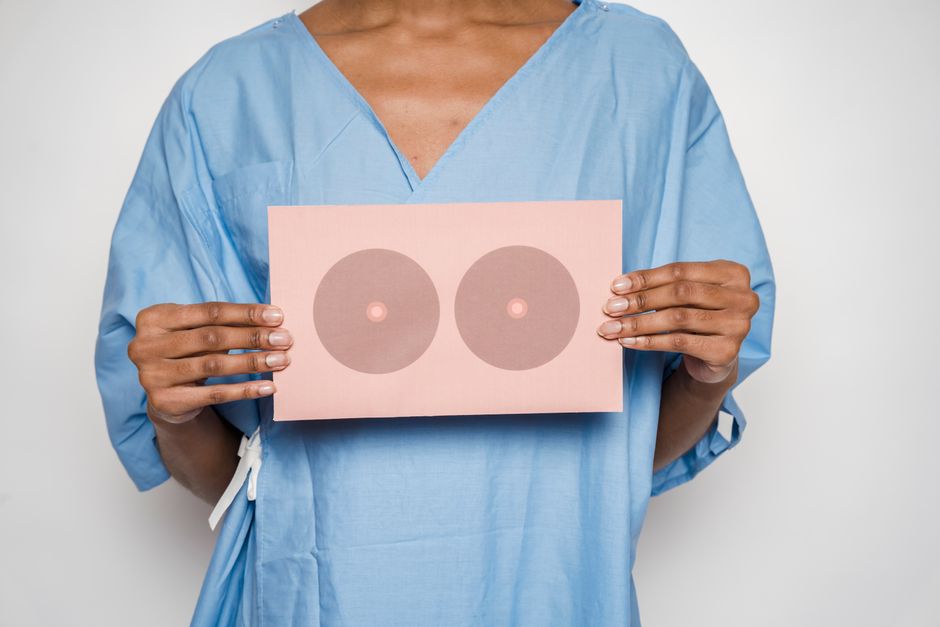
Breast pain, often called mastalgia, is very common. Most of the time it is not a sign of cancer. The right approach depends on the pattern of the pain, and many simple measures can reduce it. This guide covers what the evidence supports, what is uncertain, and when to see a doctor.
What Causes Breast Pain in the First Place?
Breast pain has two main patterns, and they come from different places. Knowing which one you have changes what will help.
Cyclical pain is linked to the menstrual cycle. It tends to affect both breasts, especially the upper outer areas, and it eases after your period. This pattern is strongly tied to normal hormone fluctuations. It is most common in women in their 30s and 40s, though it can happen at any age before menopause.
Non-cyclical pain is not tied to your cycle. It is often felt in one spot and may be sharp or burning. Causes include injury to the chest wall, muscle strain, costochondritis (inflammation where ribs meet the breastbone), and, less often, a cyst or infection. Sometimes no clear cause is found.
Breast tissue itself has no muscles. The tenderness you feel usually comes from the glandular tissue and surrounding structures, which swell and become more sensitive under hormonal influence. That is why the pain often shifts with your cycle rather than staying fixed.
How To Stop Boob Pain Tips And Home Remedies
Start with the measures that have the best support and the lowest risk. None of these require a prescription, and most can be tried safely at home.
Wear a Supportive, Well-Fitted Bra
A bra that fits well and supports the breast can reduce movement-related discomfort. Some women find a soft, supportive sports bra helps most during painful days, including at night. There is no single “best” bra. Fit and comfort matter more than any special design. A bra that digs in or leaves marks is not helping.
Apply Warm or Cold Compresses
Warm compresses can ease muscle tension and general soreness. Cold packs can reduce swelling and numb sharp pain. Try each and see which feels better for you. Wrap any pack in a cloth first so it does not sit directly on the skin.
Adjust Your Diet and Caffeine
Some women report that reducing caffeine helps their breast tenderness. The evidence for this is limited and mixed, so it is reasonable to try but not a guaranteed fix. The same is true for reducing salt around your period, which some people find reduces bloating and breast fullness. These are low-risk changes worth testing for yourself.
Manage Stress and Sleep
Pain is processed by the nervous system, and poor sleep and high stress can make any pain feel worse. This does not mean the pain is “in your head.” It means the body’s pain signaling is affected by these factors. Regular sleep and stress-reduction practices can help you tolerate discomfort better.
Over-the-Counter Pain Relief
Nonsteroidal anti-inflammatory drugs such as ibuprofen, and acetaminophen, can reduce breast pain for some people. Follow the label directions and check with a pharmacist or doctor if you take other medicines or have stomach, kidney, or heart conditions. These treat the symptom, not the underlying cause.
Does Diet Really Affect Breast Pain?
The evidence here is genuinely mixed, and it is worth being honest about that. Some studies suggest certain dietary changes may help, but results vary and no single diet has been shown to reliably stop breast pain.
Two areas get the most attention. The first is caffeine. Many women report improvement when they cut back, but controlled studies have not consistently confirmed a benefit. Trying it is low-risk. The second is fat intake. Some research has looked at whether lowering dietary fat reduces cyclical breast pain, with inconsistent results. No clinical guideline currently recommends a specific diet as a treatment for breast pain.
One clarification worth knowing: breast pain is not caused by “toxin buildup” or “poor lymph flow,” despite what some wellness marketing claims. No clinical evidence confirms these explanations. The pain is linked to hormonal cycles and the structures around the breast, not a detox problem.




Are Supplements and Herbal Remedies Worth Trying?
Several supplements are marketed for breast pain. The evidence for most of them is limited, and quality varies between products.
- Evening primrose oil is one of the most commonly used. Some studies suggest possible benefit, but larger and better-designed trials have not consistently confirmed it. It is generally considered low-risk for most people, though it can interact with some medicines and may not be appropriate during pregnancy.
- Vitamin E has been studied for breast pain, but the evidence does not show a reliable benefit. High doses can carry risks, so avoid taking large amounts without medical advice.
- Vitamin B6 is sometimes suggested, but there is no strong evidence that it reduces breast pain in people with normal levels.
No supplement has been proven to cure or reliably eliminate breast pain. If you want to try one, tell your doctor, especially if you take other medicines or are pregnant or breastfeeding. Supplement regulation is looser than for medicines, so product contents can vary.
When Should Breast Pain Concern You?
Most breast pain is not cancer. Breast cancer is rarely the cause of pain alone, and pain by itself is not a typical first sign. That said, some changes should prompt a doctor’s visit.
See a clinician if you notice:
- A new lump or thickening in the breast or armpit
- Skin changes such as dimpling, redness, or puckering
- Nipple discharge, especially clear or bloody, or a nipple that turns inward
- Pain that is in one fixed spot and does not go away
- Pain along with fever, redness, and warmth, which can point to an infection
- Swelling, warmth, or redness over a large area of the breast
Any of these does not automatically mean something serious. But they are reasons to get checked rather than self-treat. A doctor can examine you and decide whether imaging is needed.
What About Hormonal and Medical Treatments?
When home measures are not enough, some clinicians recommend medical options. These are decisions to make with a doctor, not something to start on your own.
For persistent cyclical pain, some doctors prescribe hormonal treatments or other medicines. These can help some women but carry side effects and are not right for everyone. The evidence for each option varies, and a clinician weighs your history, age, and other health factors.
It is worth distinguishing common practice from strong evidence. Some approaches are widely used in clinics even though large trials are limited. Your doctor can explain the trade-offs for your situation. If a treatment is offered, it is reasonable to ask what the evidence shows and what the alternatives are.
Can Breast Pain Be Prevented?
You cannot prevent all breast pain, especially the cyclical kind tied to hormones. But some habits can reduce how often it flares or how much it bothers you.
A well-fitted bra, steady sleep, and managing stress are reasonable foundations. Tracking your symptoms across a cycle can help you spot patterns and plan ahead. If you notice pain reliably follows certain triggers, adjusting those is worth a try, even when the evidence is not definitive.
Keep in mind that cyclical breast pain often improves on its own over time and frequently eases after menopause. That natural course is part of why many home measures are worth trying before stronger treatments.
Frequently Asked Questions
Is breast pain a sign of cancer?
Most breast pain is not cancer, and pain alone is rarely the first sign. See a doctor if you also have a lump, skin changes, or nipple discharge.
How long does breast pain usually last?
Cyclical breast pain often eases within days after a period begins and tends to improve over time. Persistent pain in one fixed spot should be checked by a doctor.
Does cutting out caffeine help breast pain?
Some women report less tenderness when they reduce caffeine, but studies have not consistently confirmed a benefit. It is a low-risk change worth trying for yourself.
Can a better bra reduce breast pain?
A well-fitted, supportive bra can reduce movement-related discomfort for many women. There is no single best design, so fit and comfort matter most.
