
Waking up with a puffy face is frustrating. Most facial swelling in the morning is caused by fluid retention, often from a salty meal the night before or a poor night of sleep. You can reduce this type of swelling at home with simple, safe methods like a cold compress, gentle facial massage, and drinking plenty of water. These actions work by constricting blood vessels and helping your lymphatic system drain excess fluid away from your face.
What Causes Facial Swelling in the First Place?
Before you treat the puffiness, it helps to know why it happens. The most common cause is a buildup of fluid in the tissues under your skin. This is called edema. When you sleep flat, gravity allows that fluid to pool in your face, especially around your eyes and cheeks.
Diet plays a big role. A high-sodium meal causes your body to hold onto water. Alcohol also leads to puffiness because it dehydrates you, and your body responds by retaining fluid. Hormonal changes, particularly around a menstrual cycle, can also cause temporary water retention.
Allergies are another frequent culprit. An allergic reaction releases histamine, which makes small blood vessels leak fluid into surrounding tissue. This causes swelling that often comes with itching or redness. Lack of sleep and stress also raise cortisol levels, which can contribute to a puffy appearance.
How To Reduce Swelling In The Face Home Remedies That Work
The fastest way to reduce facial swelling is to apply something cold. Cold temperatures cause blood vessels to constrict, which limits fluid leaking into the tissue. A cold compress, chilled spoons, or a gel mask kept in the fridge all work well for this purpose.
Apply the cold for about 10 to 15 minutes. Do not apply ice directly to your skin, as this can cause frostbite. Wrap ice in a thin cloth or use a commercial cold pack instead. This is safe for the delicate skin on your face and gives the most immediate visible result.
Another effective method is to elevate your head while you sleep. Using an extra pillow keeps gravity from pooling fluid in your face overnight. This is a preventive measure, but it also helps if you wake up puffy and want to keep the swelling from getting worse.
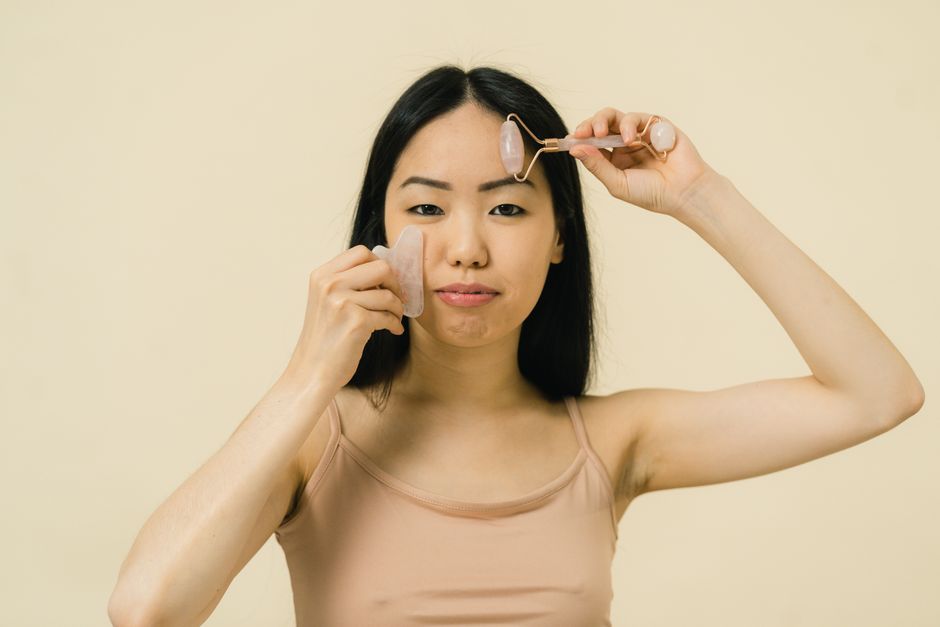
Gentle massage can also help. Your lymphatic system is a network of vessels that carries excess fluid away from tissues. Light pressure in the right direction encourages this drainage. Use your ring fingers to tap gently under your eyes, moving from the inner corner outward. Then stroke down the sides of your neck toward your collarbone. A jade roller or a clean, cool spoon can be used for this, but your fingers work just as well.
Hydration and Diet: What You Eat and Drink Matters
Drinking more water sounds counterintuitive when you are swollen, but it is one of the most effective remedies. When you are dehydrated, your body holds onto every drop of fluid it has. Drinking enough water signals your body that it can release the excess.
There is no single magic amount that works for everyone, but a common guideline is to drink when you are thirsty and increase intake after sweating or in hot weather. If your urine is dark yellow, you likely need more fluids. Clear or light yellow urine generally indicates good hydration.
Potassium-rich foods help balance sodium levels in your body. Bananas, avocados, sweet potatoes, and spinach are good sources. Potassium helps your kidneys flush out excess sodium, which in turn reduces water retention. Eating a balanced breakfast with these foods can help bring down morning puffiness.
Avoid salty foods for the rest of the day after you notice swelling. Processed foods, canned soups, and fast food are typically very high in sodium. Even one high-salt meal can cause noticeable puffiness within a few hours.





Lifestyle Adjustments That Prevent Puffy Face
Your sleep position is a key factor. Sleeping on your back with your head elevated on an extra pillow is the best position to prevent fluid from pooling in your face. Sleeping on your stomach or side presses your face into the pillow, which can also contribute to puffiness.
Regular exercise helps reduce overall fluid retention. When you move, your muscles pump fluid back toward your heart, and your lymphatic system works more efficiently. Even a brisk 20-minute walk can make a difference.
Reducing alcohol intake is one of the most effective long-term strategies. Alcohol dehydrates you and causes your body to retain water. If you drink, doing so in moderation and drinking water alongside it can minimize the effect on your face.
Managing allergies is essential if they are the cause of your swelling. Over-the-counter antihistamines can help if you have seasonal allergies. If your face swells along with hives, difficulty breathing, or throat tightness, that is an emergency and requires immediate medical attention.
Skincare Ingredients That Actually Reduce Puffiness
Some skincare ingredients have evidence behind them for reducing puffiness. Caffeine is one of them. When applied topically, caffeine constricts blood vessels, which can temporarily reduce swelling. Many eye creams contain caffeine for this reason. The effect is temporary, lasting a few hours, but it can be useful for a morning event.
Hyaluronic acid is a humectant, meaning it draws water into the skin. This sounds like it would make swelling worse, but it actually helps plump the skin evenly and can reduce the appearance of fine lines that become more visible when the face is puffy. It does not remove fluid, but it improves the overall look of the skin.
Cold-based skincare tools like ice rollers and chilled masks combine the benefits of cold therapy with skincare. They are safe to use for short periods. Always clean these tools after each use to prevent bacterial buildup.
There is no evidence that expensive creams work better than basic cold therapy. The cooling effect is the active mechanism, not the cream itself. If you want to save money, a clean, chilled washcloth works as well as any high-end product.
When Facial Swelling Is Not a Home Remedy Problem
Most facial swelling is harmless and temporary. But sometimes it signals a more serious condition. If your face swells suddenly and is accompanied by hives, itching, or difficulty breathing, this could be a severe allergic reaction called anaphylaxis. This is a medical emergency. Call emergency services immediately.
Facial swelling that comes with pain, redness, or warmth could indicate an infection. A dental abscess, for example, can cause one side of the face to swell significantly. This requires treatment from a doctor or dentist, not a home remedy.
Swelling that is persistent, gets worse over time, or is accompanied by other symptoms like fever, weight gain, or difficulty urinating should be evaluated by a doctor. These could indicate kidney, liver, or thyroid problems. A doctor can run blood tests to determine the underlying cause.
If you wake up with a puffy face every single morning despite good sleep and a low-salt diet, it is worth mentioning to your healthcare provider. This pattern could point to a condition that needs medical management rather than home care.
How Long Does It Take for Home Remedies to Work?
A cold compress produces almost immediate results. You will see a visible reduction in puffiness within 10 to 15 minutes of application. The effect lasts for a few hours, which is why many people repeat the process in the morning.
Hydration and dietary changes take longer. Drinking more water and eating potassium-rich foods can reduce overall swelling within a few hours to a full day. This is not an instant fix, but it addresses the root cause of fluid retention.
Lifestyle changes like adjusting your sleep position and reducing alcohol intake take effect overnight. If you sleep elevated and skip the evening glass of wine, you will likely see less morning puffiness the next day. Consistency matters more than any single intervention.
Frequently Asked Questions
How long should I apply a cold compress to my face?
Apply a cold compress for 10 to 15 minutes at a time. Never place ice directly on your skin, as this can cause frostbite.
Does drinking water help reduce facial swelling?
Yes, drinking enough water helps your body release excess fluid it is holding onto. Dehydration actually makes fluid retention worse.
Can a high-salt meal cause a puffy face the next morning?
Yes, a high-sodium meal causes your body to retain water, and that fluid often pools in your face while you sleep. The effect typically appears within a few hours and resolves within a day or two.
When should I see a doctor for facial swelling?
See a doctor if swelling is sudden, painful, or accompanied by hives or difficulty breathing. Persistent swelling that lasts for days without an obvious cause also warrants a medical evaluation.
